Launching a podcast has become considerably more accessible than it once was, yet the sheer number of technical and creative decisions involved can still feel genuinely overwhelming for complete beginners without any prior audio production experience. This guide walks through the practical, essential steps for actually launching your first podcast episode, cutting through unnecessary complexity to focus on what genuinely matters for getting started.
Defining Your Podcast’s Genuine Focus Before Anything Else
Before considering any technical equipment or recording software, clearly defining what your podcast will actually be about represents the genuinely essential foundational step that shapes every subsequent decision.
- Choose a specific topic or theme you have genuine, sustainable interest and knowledge in
- Consider your target audience and what genuine value your podcast will provide them specifically
- Avoid choosing an overly broad focus that will make consistent content creation genuinely difficult
- Research existing podcasts in your intended space to understand what genuinely differentiates your planned approach
This focus clarity genuinely matters because attempting to create content without a clear direction typically results in inconsistent episodes that fail to build the kind of genuine audience loyalty and habit formation that sustains a podcast over the considerable time required to build meaningful listenership.
Choosing Your Podcast’s Genuine Format
Understanding the different structural approaches available for podcast content helps you choose a format genuinely suited to your specific topic, available resources, and personal strengths as a content creator.
- Solo commentary format, where you speak directly to your audience without additional guests
- Interview format, featuring conversations with guests relevant to your podcast’s specific focus
- Co-hosted format, involving regular back-and-forth conversation between you and one or more co-hosts
- Narrative or storytelling format, involving more structured, scripted content around a specific story or topic
Each format carries genuinely different practical demands, since interview formats require ongoing guest coordination and scheduling, while narrative formats typically demand considerably more scripting and editing time, meaning your choice should genuinely reflect both your creative preferences and your realistic available time and resources.
Essential Equipment for Getting Started Without Overspending
A common, genuinely counterproductive mistake among new podcasters involves investing heavily in expensive equipment before confirming genuine commitment to consistently producing content, making a more modest initial equipment approach genuinely sensible for beginners.
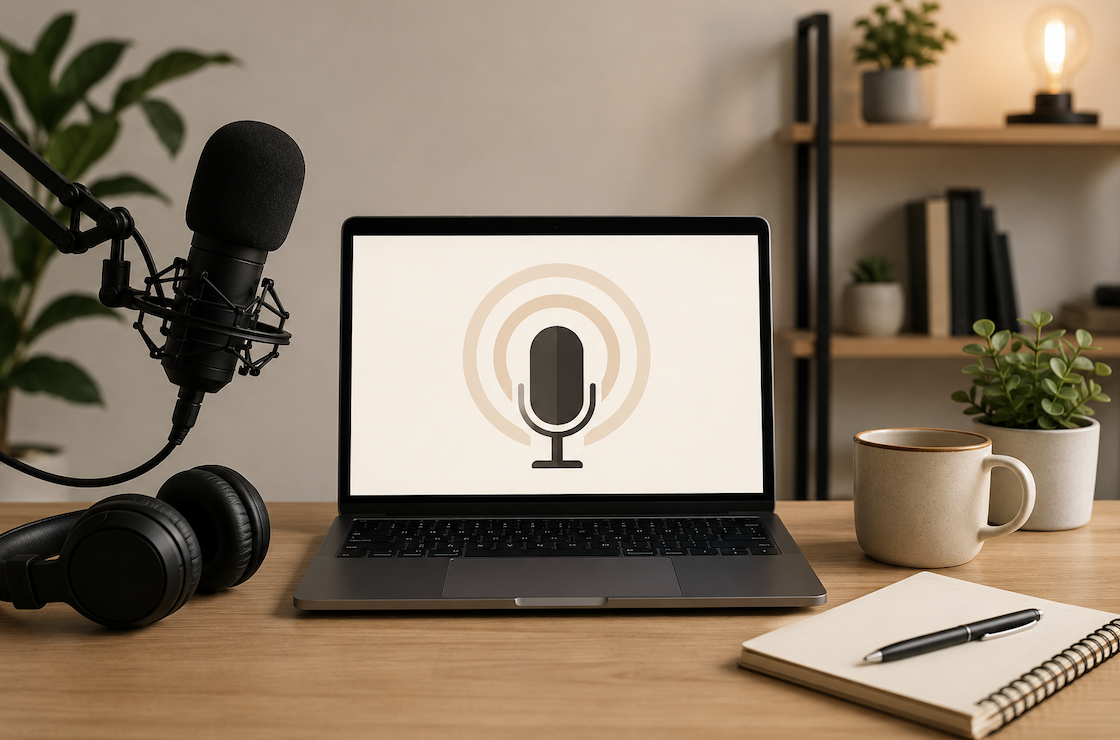
- A decent-quality USB microphone represents the single most impactful initial equipment investment
- Basic headphones help you monitor audio quality during recording and editing
- Many computers already include software genuinely sufficient for basic podcast recording and editing
- Avoid investing in professional-grade equipment until you have genuinely confirmed sustained commitment to podcasting
This equipment restraint genuinely matters, since many aspiring podcasters invest considerable money in professional equipment before actually producing a single episode, only to discover the sustained commitment required does not genuinely match their initial enthusiasm, making a more modest initial investment considerably more sensible until genuine commitment is confirmed through actual, consistent production.
Setting Up a Genuinely Suitable Recording Environment
Beyond equipment, your actual recording environment significantly affects audio quality, and understanding practical, accessible ways to improve this environment helps even beginners achieve genuinely professional-sounding results.
- Choose a room with soft furnishings, like carpet and curtains, which absorb sound better than hard surfaces
- Record in a genuinely quiet space, minimizing background noise from traffic, appliances, or other household activity
- Consider recording inside a closet filled with clothing, which can genuinely improve acoustics inexpensively
- Position your microphone appropriately, typically several inches from your mouth, for optimal audio capture
Understanding the Genuine Basics of Recording and Editing
Understanding the fundamental recording and editing process, even at a genuinely beginner level, helps you produce a polished final episode without requiring advanced audio engineering expertise.
- Record in a quiet environment, minimizing the need for extensive noise removal during editing
- Basic editing typically involves removing significant mistakes, awkward pauses, and any unwanted background noise
- Many free or low-cost editing tools provide genuinely sufficient functionality for beginning podcasters
- Focus on producing clear, listenable audio rather than pursuing unnecessary technical perfection initially
How to Actually Publish and Distribute Your Podcast
Once you have recorded and edited your first episode, understanding the genuine process for actually making it available to listeners represents an essential final step many beginners find initially confusing.
- Choose a podcast hosting platform, which stores your audio files and generates the necessary distribution feed
- Submit your podcast to major listening platforms through your hosting service’s typically straightforward process
- Create genuinely compelling episode titles and descriptions that help potential listeners understand your content
- Design simple, clear podcast artwork that will genuinely represent your show across various listening platforms
Building Consistency and Genuine Audience Growth Over Time
Understanding that podcast success typically requires genuine patience and consistency, rather than expecting immediate significant listenership, helps set realistic expectations for new podcasters.
- Establish a genuinely sustainable publishing schedule you can consistently maintain long-term
- Promote your podcast across other platforms where your target audience already spends time
- Engage genuinely with any early listener feedback or comments to build community around your content
- Understand that meaningful audience growth typically takes considerable sustained time and consistent effort
Why Planning Episode Structure in Advance Genuinely Improves Quality
Understanding that even loosely structured, conversational podcast formats genuinely benefit from some advance planning helps beginners avoid the common pitfall of unfocused, rambling episodes that struggle to hold listener attention throughout.
Even a simple outline noting the key topics or points you want to cover during a specific episode helps maintain focus and ensures you do not forget genuinely important content once you actually begin recording, particularly for beginners who may feel some nervousness that can affect their ability to organize thoughts naturally in the
moment. This does not require a rigid, word-for-word script for most conversational formats, but rather a loose roadmap that keeps your episode genuinely organized while still allowing natural, authentic conversation to develop within that broader planned structure.
- Even loosely structured formats genuinely benefit from a basic outline of key topics to cover
- This planning helps maintain focus and prevents forgetting important content during actual recording
- A loose roadmap differs from a rigid script, still allowing natural conversation within a planned structure
- This preparation particularly helps beginners who may feel nervous organizing thoughts in the moment
Final Thoughts
Starting a podcast from scratch involves genuinely manageable steps once broken down clearly, from defining your specific focus and format to setting up modest but adequate recording equipment and understanding the actual publishing process. Approaching this project with realistic expectations about the genuine time and consistency required for building an audience, rather than expecting immediate success, offers the most sustainable path toward actually building a podcast you can feel genuinely proud of over time.
- Read more about Newolt
Frequently Asked Questions
1. How much money do I genuinely need to start a podcast?
You can genuinely start with a fairly modest budget, focusing primarily on a decent USB microphone and free or low-cost editing software, saving more significant equipment investment until you have confirmed sustained commitment to consistent podcast production.
2. How long should my podcast episodes genuinely be?
This varies considerably by format and content, though many successful podcasts fall within a range that genuinely matches their specific content needs rather than adhering to an arbitrary universal length, making your specific topic and format better guides than a fixed rule.
3. Do I need any prior audio editing experience to start a podcast?
No, many successful podcasters began with genuinely no prior audio editing experience, learning the necessary basic skills through free online tutorials and simply practicing with their own recorded content over time.
4. How often should I genuinely publish new podcast episodes?
Choosing a genuinely sustainable schedule you can consistently maintain matters more than publishing frequency alone, since consistency helps build listener habit and trust, while an overly ambitious schedule you cannot actually sustain often leads to irregular publishing that undermines audience growth.
5. How long does it typically take to build a genuinely meaningful podcast audience?
This varies enormously by topic, format, and promotional effort, though many successful podcasters report it took many months or even years of consistent publishing before achieving what they would consider genuinely meaningful, sustained listenership.