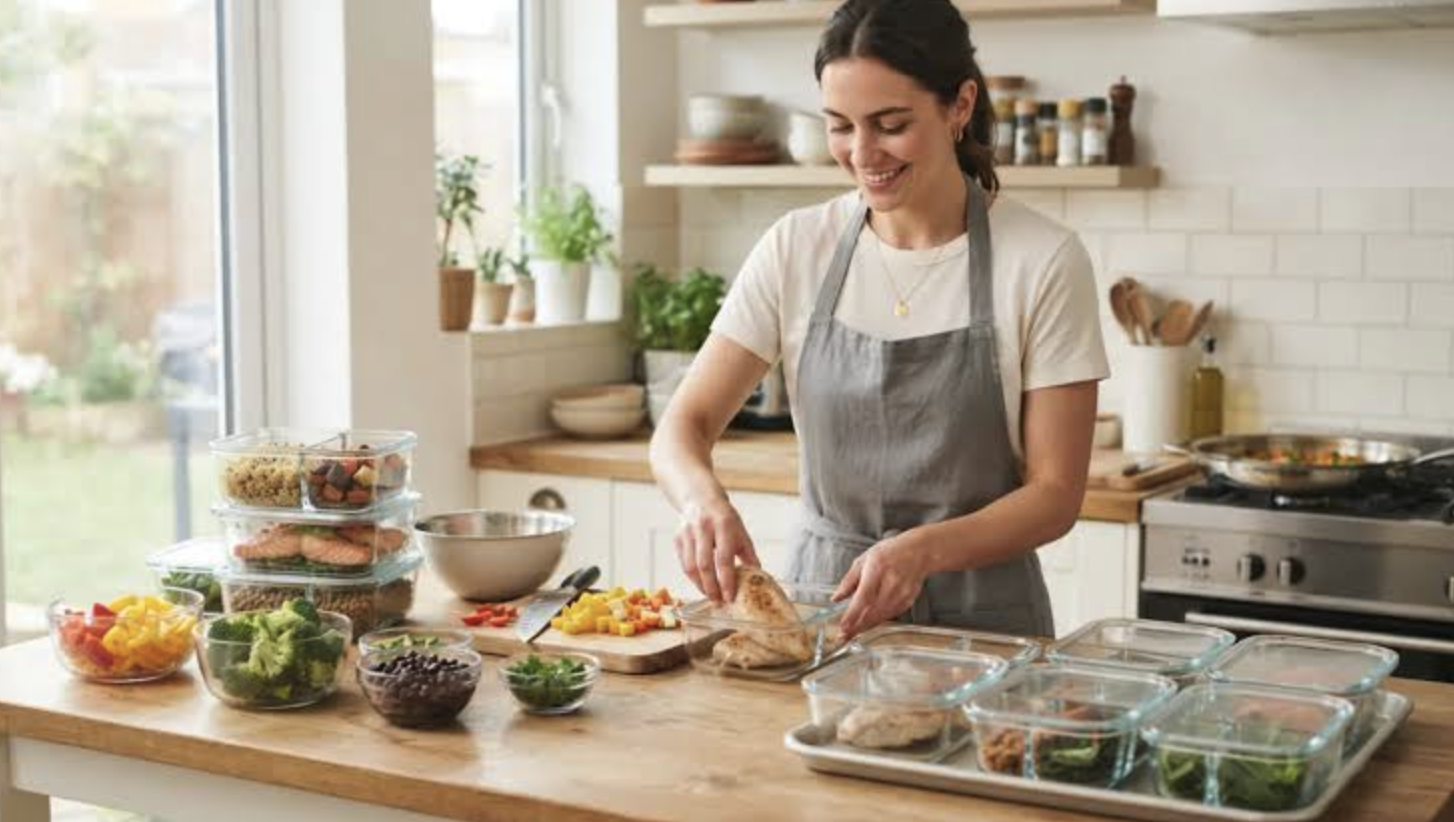
Weeknight dinners have a way of turning into last-minute takeout orders or a hurried trip to a fast food drive-through, not because anyone planned it that way, but because cooking a full meal from scratch after a long, tiring day feels like one task too many.
Meal prepping addresses this by moving the planning, shopping, and much of the cooking to a single dedicated block of time earlier in the week, so that dinner on a Tuesday night becomes a simple matter of reheating rather than starting entirely from zero.
For someone entirely new to the habit, the learning curve is smaller than it looks at first glance, and a few consistent, repeatable routines are usually enough to make the whole thing stick long term.
Planning a Week of Meals
A solid meal prep routine starts well before any cooking happens, with a plan that accounts for the week ahead, including which nights involve activities that leave little time to cook and which meals can reasonably repeat without becoming tiresome. Skipping this planning step is by far the most common reason a first attempt at meal prepping falls apart, since cooking a large batch of food without a clear plan for how it fits into the week often leads to waste or mismatched portions.
- Check the calendar first: identify which nights are busiest and plan simpler, faster meals or fully prepped dishes for those days specifically.
- Choose two to three core recipes: rotating a small set of proteins, grains, and vegetables keeps grocery lists manageable and reduces decision fatigue during cooking.
- Build in variety: using different sauces, spices, or side dishes with the same base ingredients prevents the week from feeling repetitive despite reusing core components.
- Account for leftovers: planning one or two nights around existing leftovers reduces the total amount of new cooking needed for the week.
- Set a realistic portion count: prepping for exactly the number of lunches and dinners needed avoids both food waste and an overwhelming amount of prepped food sitting unused.
A simple written or digital meal plan, even a short list of five dinners and their corresponding ingredients, turns a vague intention to eat better into something concrete enough to shop and cook from directly.
Involving other members of a household in this planning step, rather than deciding everything alone, tends to increase how consistently the routine gets followed. A quick conversation about which meals from the previous week were popular and which ones sat unfinished in the refrigerator provides useful feedback for adjusting the next week’s plan, and it distributes some of the mental effort of deciding what to eat across more than one person, which matters over the long run for anyone trying to keep the habit going for months rather than a single week.
Shopping and Batch Cooking Basics
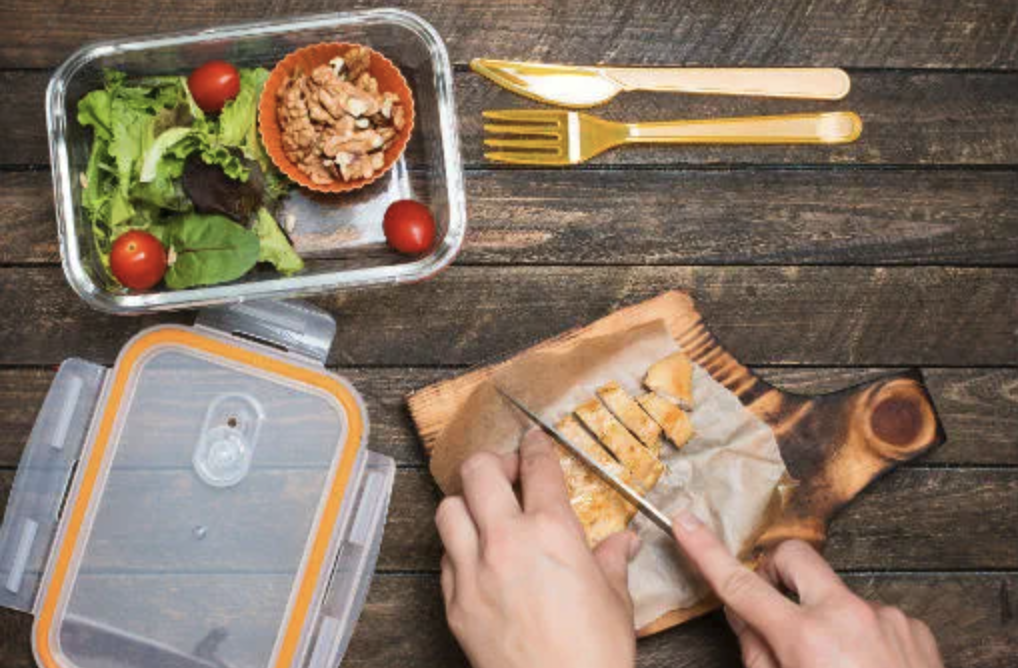
Once a plan is in place, shopping becomes far more efficient, since a grocery list built directly from planned recipes avoids both forgotten ingredients and impulse purchases that do not fit into the week’s meals. Batch cooking, the practice of preparing larger quantities of a few base ingredients at once, is the technique that makes the rest of the week’s meals come together quickly.
- Cook grains in bulk: rice, quinoa, or farro made in one large batch can be portioned across multiple meals throughout the week with minimal additional effort.
- Roast a full sheet pan of vegetables: cooking several vegetables together at once uses the oven efficiently and provides a base side dish for multiple meals.
- Prepare proteins in advance: grilling, baking, or slow-cooking a larger batch of chicken, beans, or tofu covers several meals without repeating the cooking process daily.
- Chop produce ahead of time: washing and cutting vegetables for the week during one session saves real daily prep time later, especially on busy weeknights.
- Make a versatile sauce or dressing: a single batch of a flavorful sauce can be used across several different meals to add variety without extra cooking.
Setting aside two to three hours on a weekend, often a Sunday, is the most common approach for batch cooking, though splitting the work across two shorter sessions during the week is an equally valid alternative for anyone who finds one long session tiring.
Working in an efficient order also saves time during a batch cooking session. Starting items that take longest, such as a slow-cooked protein or roasted vegetables in the oven, and using that hands-off cooking time to chop produce or prepare a sauce, keeps multiple tasks moving at once rather than working through each recipe from start to finish before beginning the next one.
This kind of overlapping workflow is a skill that develops naturally after a few sessions, and it is one of the biggest reasons experienced meal preppers finish a full week’s worth of cooking in roughly the same amount of time a beginner spends on a single dish.
Containers and Storage Essentials
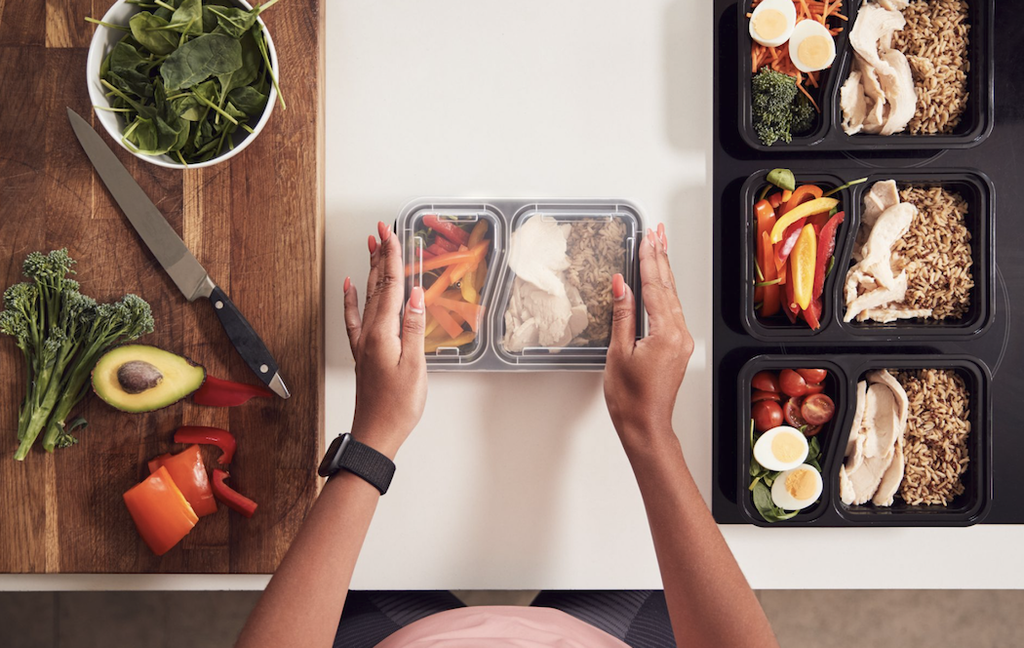
Good storage containers make the difference between meal-prepped food that stays fresh and appetizing through the week and food that turns soggy, dried out, or unappealing well before it gets eaten. Investing in a reasonable set of containers early on removes one of the more common frustrations new meal preppers run into.
- Glass containers with airtight lids: durable, microwave-safe, and resistant to staining or absorbing odors from strongly flavored foods over repeated use.
- Portioned compartment containers: divided sections keep proteins, grains, and vegetables separate, preventing sauces or moisture from making other components soggy.
- Mason jars for salads: layering dressing at the bottom and greens at the top keeps a salad crisp for several days when stored this way.
- Freezer-safe containers: useful for meals prepped further in advance than a single week, allowing batch cooking to stretch across a longer planning horizon.
- Labels and a marker: writing the date prepared directly on each container prevents confusion about which meals are freshest and should be eaten first.
A modest initial investment in a matching set of containers, rather than an assortment of mismatched leftovers from takeout, also makes stacking and organizing the refrigerator much easier during a busy week.
Reheating and Food Safety Guidelines
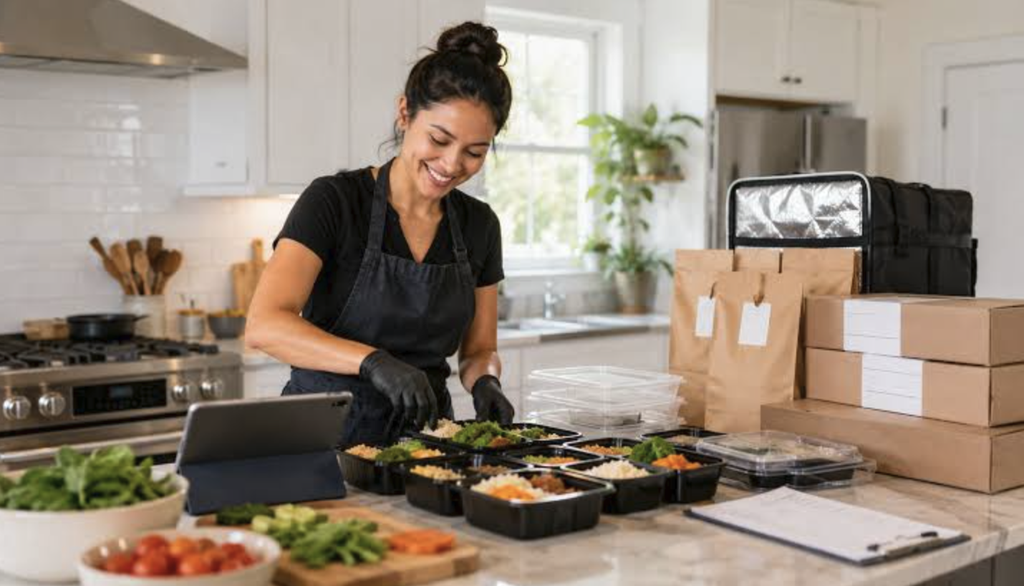
Reheating prepped meals safely, and in a way that preserves texture and flavor, is worth learning early, since improper storage or reheating is what most often leads to disappointing results or, in more serious cases, foodborne illness. Following a few consistent guidelines removes most of the guesswork.
- Cool food before storing: allowing hot food to cool briefly at room temperature before sealing it in a container reduces condensation that can make food soggy or promote bacterial growth.
- Refrigerate within two hours: leaving cooked food out longer than this window increases the risk of bacterial growth, even if the food still looks and smells fine.
- Eat refrigerated meals within four days: most cooked proteins, grains, and vegetables remain safe and appetizing for three to four days when stored properly in the refrigerator.
- Reheat to a safe internal temperature: using a food thermometer for proteins ensures reheated food reaches a temperature that eliminates any bacteria that may have developed during storage.
- Add moisture when reheating: a splash of water or broth before microwaving grains or proteins helps prevent them from drying out during reheating.
Freezing extra portions rather than letting them sit in the refrigerator past the four-day window is a simple habit that prevents both food waste and the temptation to eat something that has been stored too long to be safely consumed.
Not every dish freezes well, which is worth keeping in mind when deciding how much of a batch to freeze versus refrigerate. Soups, stews, cooked grains, and most proteins tend to hold up well after freezing and thawing, while dishes with a high water content, such as raw vegetables or cream-based sauces, can separate or turn watery once thawed. Labeling frozen portions with both the date prepared and a rough use-by date, often around two to three months for most cooked meals, helps prevent forgotten containers from lingering in the back of a freezer indefinitely.
Budgeting for a Week of Groceries
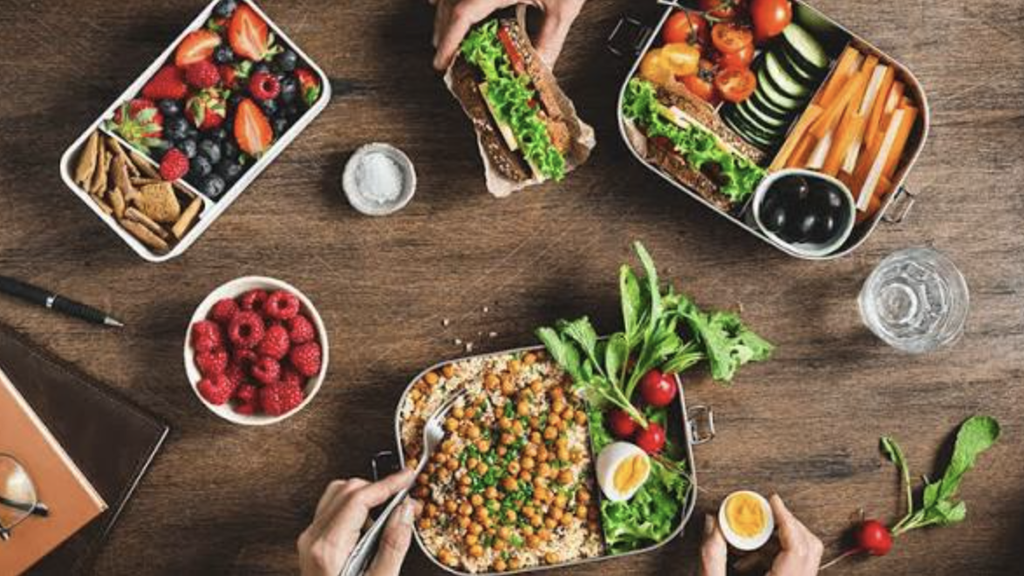
Meal prepping often saves money alongside time, mainly by reducing impulse takeout orders and food waste from ingredients bought without a clear plan for their use. Building a grocery list around a fixed weekly budget, rather than shopping without a target figure in mind, keeps the financial benefits of meal prepping consistent from week to week.
- Buy proteins in bulk when on sale: purchasing a larger quantity of chicken, ground meat, or fish when prices drop and freezing the excess stretches a grocery budget across several weeks.
- Choose seasonal produce: fruits and vegetables in season are typically cheaper and fresher than off-season alternatives shipped from farther away.
- Rely on affordable staples: beans, rice, eggs, and frozen vegetables provide a low-cost foundation that can be dressed up differently across multiple meals.
- Track spending per meal: dividing the total grocery bill by the number of meals prepped gives a clear per-meal cost that is easy to compare against the cost of takeout or dining out.
- Avoid overbuying specialty ingredients: a recipe calling for a single-use spice or sauce is worth reconsidering if the rest of the bottle will likely go unused for months.
Comparing the total cost of a week’s worth of prepped meals against even a modest number of takeout orders it replaces usually reveals savings large enough to offset the time invested in planning and cooking.
Shopping less frequently, once or twice a week rather than making several smaller trips, also tends to lower overall spending, since fewer store visits mean fewer opportunities for impulse purchases that were never part of the original plan. Sticking to a written list, rather than shopping from memory, is one of the simplest ways to keep a grocery trip aligned with a set budget, and many stores’ apps now let shoppers build a digital list ahead of time that syncs directly with weekly sales and available coupons.
Avoiding Common Beginner Mistakes
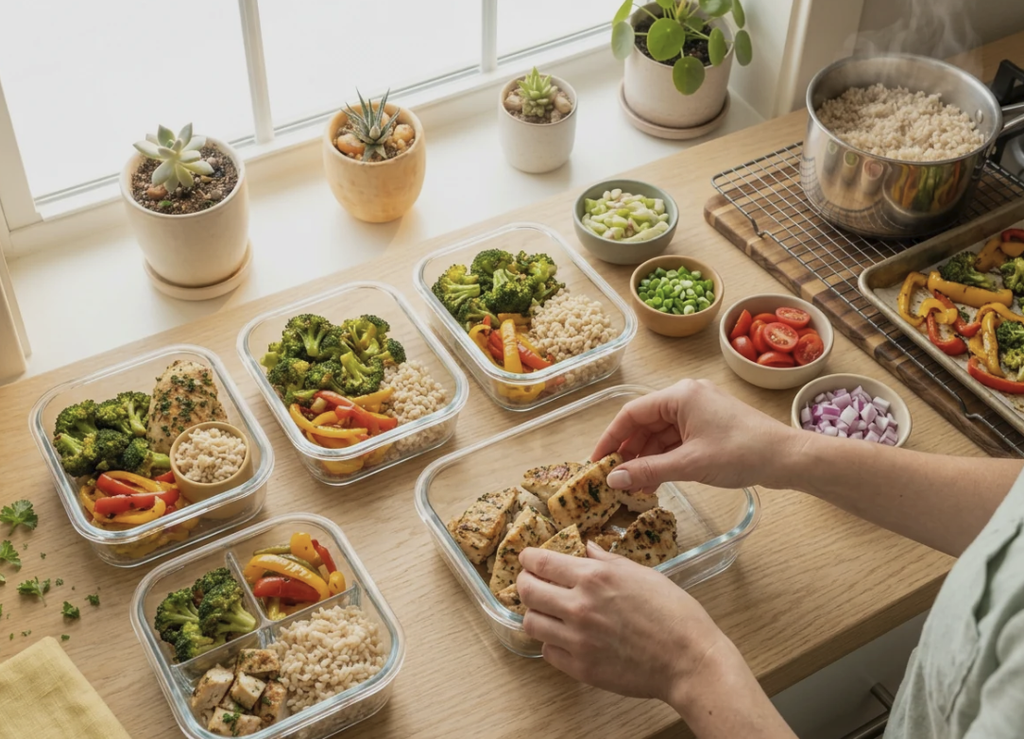
New meal preppers often run into a handful of predictable pitfalls in the first several weeks, and recognizing these ahead of time helps the habit stick rather than fizzling out after an early frustrating experience.
- Prepping too much variety at once: attempting five completely different meals in one session often leads to a chaotic cooking process; starting with two or three recipes is more sustainable.
- Ignoring texture changes: some foods, like fried items or delicate greens, do not hold up well after several days of storage, so choosing recipes suited to reheating avoids disappointment.
- Underestimating time needed: a first prep session almost always takes longer than expected, so scheduling extra time rather than a tight window reduces stress and rushed decisions.
- Skipping the planning step: cooking in bulk without a clear sense of how meals will be used across the week often leads to mismatched portions or food going unused.
- Not accounting for personal taste: prepping a large batch of a dish before confirming it reheats well or tastes good to the household can result in food that goes uneaten despite the effort involved.
Starting small, with just two or three meals prepped for the first week rather than attempting to cover every meal at once, gives new preppers room to learn what works for their schedule and preferences before scaling up the routine.
Giving up too quickly after one imperfect week is another common mistake worth naming directly. A first attempt that ends with a few meals going uneaten or a prep session that runs longer than planned is a normal part of the learning curve rather than a sign the whole approach does not work for a given household. Treating the first few weeks as a period of adjustment, and making small changes to portion sizes, recipe choices, or scheduling based on how the week really went, tends to produce a routine that fits far better by the second or third attempt than the very first one did.
Final Thoughts
Meal prepping turns a series of small daily decisions about food into a single, more manageable weekly routine, saving time on busy nights and reducing both food waste and unplanned spending on takeout.
Starting with a clear plan, batch cooking a few core ingredients, and investing in a solid set of storage containers covers most of what a beginner needs to get the habit off the ground. Paying attention to food safety guidelines around cooling, refrigeration, and reheating keeps prepped meals both safe and enjoyable to eat throughout the entire week, without a drop-off in taste or texture by the later days.
Like most habits, meal prepping becomes easier and faster with repetition, so starting small and adjusting based on what works for a specific schedule and household is a far more sustainable path than trying to build a perfect system from the very first week. Give it a few honest attempts before judging whether it fits your life, since the second and third weeks almost always go more smoothly than the first.
Frequently Asked Questions
How long can meal-prepped food safely stay in the refrigerator?
Most cooked meals remain safe to eat for three to four days when stored properly in airtight containers at a consistently cold refrigerator temperature. Freezing portions beyond that window extends their usable life for several weeks or longer.
Do I need special equipment to start meal prepping?
No special equipment is required to begin, though a good set of storage containers, a sharp knife, and a sheet pan or two make the process noticeably smoother. Many people start with equipment already in their kitchen and add specialized tools only as their routine develops.
Is meal prepping only useful for people trying to lose weight?
No, meal prepping benefits anyone looking to save time, reduce food waste, or spend less on takeout, regardless of any specific health or weight goal. The core habit of planning and batch cooking applies equally to any dietary approach.
Can I meal prep if I only have a small refrigerator or freezer?
Yes, though smaller storage space may mean prepping for fewer days at a time or choosing more compact container shapes. Prepping ingredients rather than fully assembled meals can also save space, since components can be combined fresh each day.
What if I get bored eating the same prepped meals all week?
Varying sauces, spices, or side dishes while reusing the same base ingredients is the most common solution, since it adds flavor variety without requiring a full second round of cooking. Prepping two different proteins or grains instead of just one also helps break up repetition.
How do I know how much food to prep for one person versus a family?
A reasonable starting point is to prep based on typical portion sizes already familiar from regular cooking, then adjust after the first week based on how much was eaten versus left over. Tracking this for a couple of weeks quickly reveals the right quantities for a specific household’s appetite.