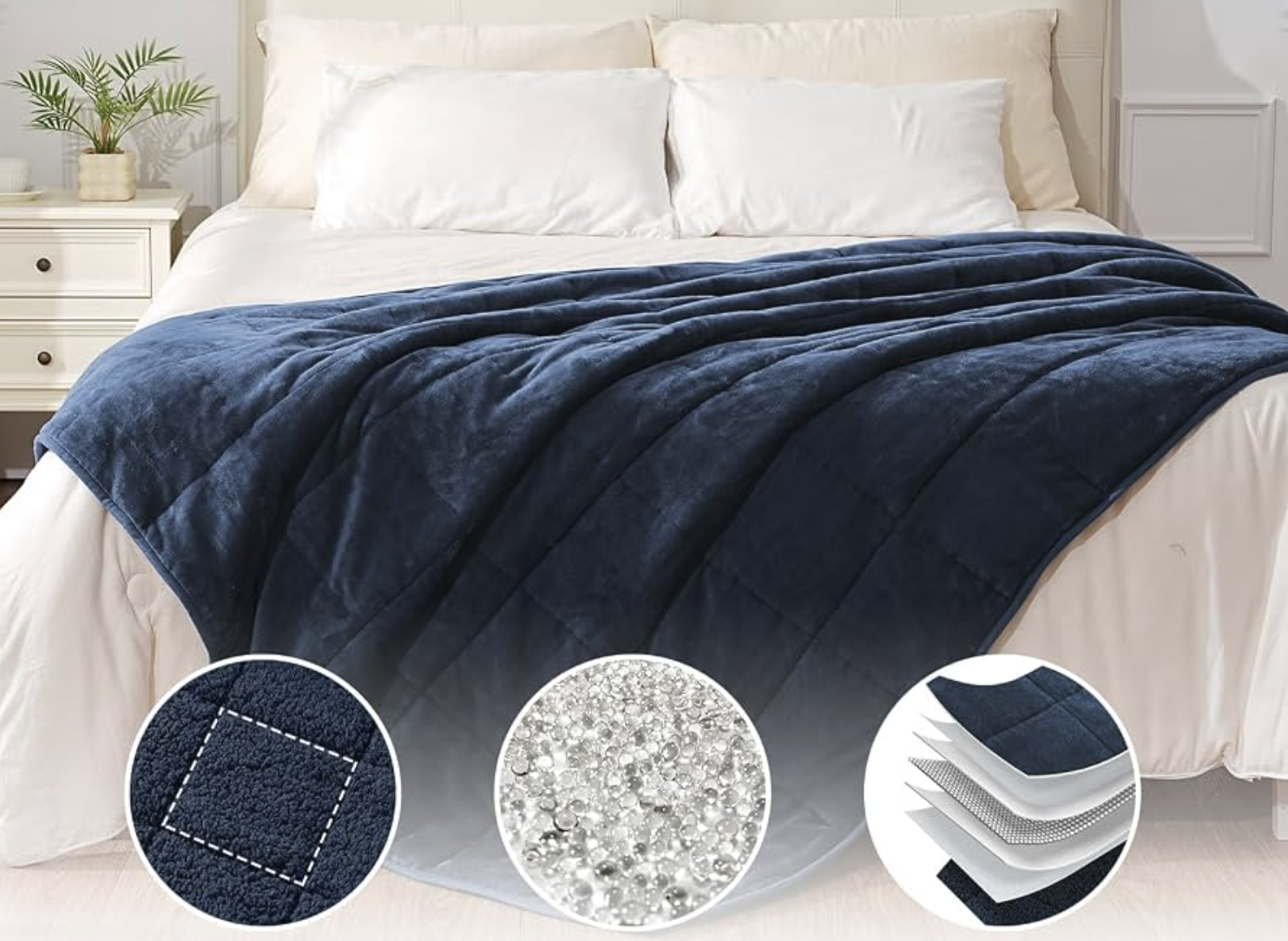
Weighted blankets have grown from a niche therapeutic tool into a mainstream bedroom staple, with claims ranging from better sleep to reduced nighttime anxiety. The core idea relies on deep pressure stimulation, a gentle, even pressure across the body that some people find calming, similar to the sensation of a firm hug or swaddle.
Choosing the right blanket, however, involves more than picking a pleasant fabric. Weight, size, and fill material all affect comfort and safety, and getting the match wrong can leave a blanket unused in a closet within weeks.
This guide covers how to choose a weighted blanket suited to your body and sleeping habits.
Picking the Right Weight for Your Body
The most common guidance for weighted blanket sizing is to choose a blanket weighing roughly ten percent of your body weight, though personal preference plays a large role and some people prefer slightly heavier or lighter options. A blanket that feels pleasantly snug to one person may feel restrictive to another, even at an identical weight, so this percentage works best as a starting point rather than a strict rule.
A few additional factors shape the right weight choice:
- Body frame and distribution: Someone with a smaller frame may find a blanket at the higher end of the ten percent range too heavy, while a larger-framed person might prefer slightly more than ten percent.
- Sleeping position: Side sleepers sometimes prefer a slightly lighter blanket than back sleepers, since weight distributes differently across a narrower contact area.
- Shared bed use: Couples sharing a bed often need two separate blankets rather than one oversized one, since a single heavy blanket sized for two people’s combined weight becomes impractical to manage and awkward to wash.
- Children’s sizing: Children generally need lighter blankets calculated from their own body weight, and many manufacturers set minimum age and weight thresholds for safety reasons.
- Trial period flexibility: Buying from a retailer with a reasonable return policy allows adjusting weight after a real test period, since preference is hard to predict from a chart alone and often only becomes clear after several nights of actual use.
Weight preference can also shift with the seasons, as a blanket that feels comforting on a cold winter night might feel overly warm and heavy in summer, leading some owners to keep a lighter cotton-covered option for warmer months.
It also helps to think about how the blanket will be used in practice before settling on a weight. Someone who plans to use it only while reading or watching television on the couch for an hour each evening might tolerate a slightly heavier option than someone planning to sleep under it for a full eight hours each night, since prolonged contact changes how the weight feels over time. Testing a blanket during a daytime nap or a relaxed evening on the couch before committing to overnight use can reveal comfort issues that are harder to notice during a brief in-store test.
Sizing and Fabric Choices
Beyond weight, physical size determines how a blanket drapes and whether it covers the body evenly during sleep. Many weighted blankets are designed to cover the body rather than the entire mattress, since a blanket that hangs far over the sides of the bed concentrates unnecessary pull and weight at the edges rather than distributing it evenly across the sleeper.
Fabric choice affects both comfort and temperature regulation throughout the night. Cotton covers tend to breathe well and suit most climates, while minky or plush fabric covers add a soft texture but can trap more heat. Some blankets include removable, washable duvet-style covers, which extend the life of the weighted insert by keeping it from direct contact with skin, oils, and spills.
Consider these points when comparing size and material options:
- Twin versus queen coverage: A twin-sized weighted blanket often works well for a single sleeper even on a larger bed, since the goal is body coverage rather than full mattress coverage.
- Breathable cotton blends: Suit warmer climates and people who tend to sleep hot, reducing the chance of overheating under the added weight and the extra insulation a heavy blanket naturally provides.
- Cooling fabric technology: Some newer blankets incorporate moisture-wicking or cooling fabric layers specifically marketed for hot sleepers, which can make a real difference for anyone who runs warm overnight.
- Removable cover systems: Allow for easier washing of the outer layer without laundering the heavier filled insert itself, extending the useful life of the blanket by quite a bit.
- Quilted stitching patterns: Keep the interior fill material evenly distributed rather than shifting and bunching toward one end over time.
Color and pattern choices, while purely aesthetic, can still influence how often a blanket gets used in practice. A blanket that clashes with existing bedroom decor may end up folded in a closet rather than on the bed, which defeats the purpose regardless of how well it matches a person’s preferred weight. Many manufacturers now offer duvet-style covers in a range of colors and textures specifically so buyers can match an existing bedroom palette without needing a completely new weighted insert for each style preference.
Benefits Linked to Sleep and Anxiety
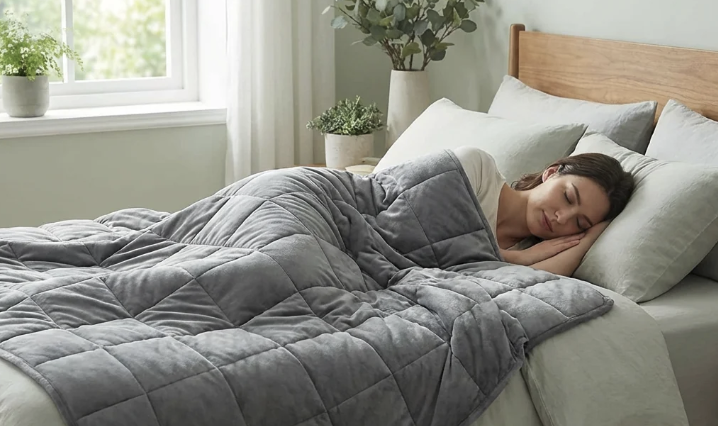
Research into weighted blankets remains an evolving area, but a number of smaller studies suggest potential benefits for sleep quality and subjective feelings of anxiety, especially for people who report general restlessness or difficulty settling at night. The theory behind deep pressure stimulation suggests that even, firm pressure across the body may help activate the parasympathetic nervous system, the body’s rest-oriented system, which could plausibly support feelings of calm before sleep.
Some studies involving adults with sleep difficulties report modest improvements in self-reported sleep quality and reduced nighttime movement when using a weighted blanket compared to a standard blanket. Other research exploring anxiety-related applications suggests a possible reduction in subjective anxiety symptoms during use, though sample sizes in many of these studies remain small and more extensive long-term research would help clarify how consistent these effects are across different populations.
It is reasonable to approach weighted blankets as a complementary comfort tool rather than a clinical treatment, especially for anyone managing a diagnosed sleep disorder or anxiety condition, where professional guidance should remain the primary source of treatment planning.
Some occupational therapists have used weighted tools, including blankets and vests, as part of sensory-focused approaches for children and adults with certain sensory processing differences, a practice that predates the current wave of mainstream consumer interest in weighted blankets. This clinical history lends some credibility to the broader concept of deep pressure stimulation, though the specific products sold at retail today are generally marketed as comfort items rather than medical devices, and buyers should treat them accordingly when weighing expectations.
Comparing Fill Materials
The weight inside a blanket comes from a filler material distributed in small pockets or channels sewn throughout the fabric. Different fillers carry different feels, costs, and durability profiles.
- Glass beads: Small and dense, allowing for a slimmer blanket profile at a given weight, generally considered among the more premium filler options.
- Plastic poly pellets: A more budget-friendly option, though they tend to make a blanket bulkier for the same total weight.
- Natural materials: Some blankets use materials like rice or sand, though these are less common in commercially manufactured products due to moisture and durability concerns, and they are more often found in homemade or small-batch versions.
- Layered fabric weights: A few designs forgo loose fill entirely, instead using multiple stitched fabric layers to build weight, which can simplify washing.
- Mixed fill combinations: Some manufacturers blend glass beads with foam or fiberfill to balance weight distribution with a softer overall feel, aiming for a middle ground between dense precision and plush comfort.
Glass bead fillers tend to hold up well over repeated washing without shifting or clumping, while poly pellet fillers are generally less expensive but can feel noisier and bulkier inside the blanket during movement.
Thickness of the quilted channels holding the fill also affects how the weight feels against the body. Narrower channels generally keep fill more evenly distributed and prevent large clumps from forming in one corner after repeated washing, while wider channels can allow more shifting over time, occasionally requiring a gentle redistribution by hand after laundering. Checking reviews specifically for comments about fill shifting after multiple washes can help identify which construction style tends to hold up best over years of regular use.
Caring for Your Blanket Long Term
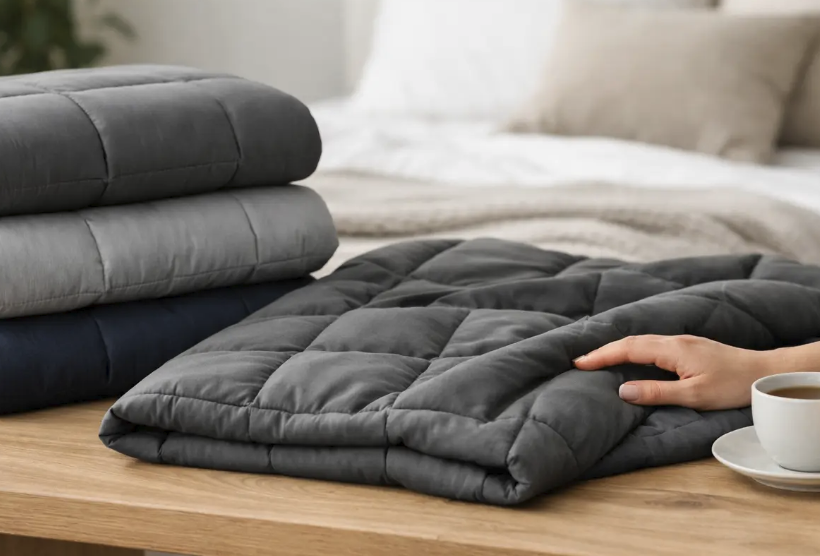
Weighted blankets require a bit more care than a standard blanket due to their weight and internal fill structure. Washing machine capacity matters substantially here, since many home washing machines are not built to handle the combined weight of water and a heavy blanket without strain, which can shorten the appliance’s lifespan or leave the blanket inadequately cleaned.
A removable cover simplifies maintenance quite a bit, since the cover can be laundered regularly like any duvet cover while the heavier filled insert is washed less often. For blankets without a removable cover, checking the manufacturer’s care instructions before the first wash prevents damage, and some manufacturers recommend a commercial-sized washing machine at a laundromat for larger, heavier blankets.
Drying also deserves attention, since a damp weighted blanket left to air dry slowly can develop a musty smell or take days to fully dry depending on fill type. Tumble drying on low heat, when permitted by the care label, generally produces better results, though checking for any fill-specific restrictions beforehand avoids damaging sensitive materials like certain plastic pellets that can melt under high heat.
For blankets too large for a home machine entirely, a trip to a laundromat with oversized, commercial-capacity machines is often the most practical route, and calling ahead to confirm a machine’s weight capacity before arriving saves a wasted trip. Some owners also choose to air the blanket outdoors on a clean, dry surface periodically between full washes, which can help freshen the fabric and reduce any lingering odor without the wear and tear of a full wash cycle every time.
Situations Where Caution Is Needed
While weighted blankets are broadly safe for most healthy adults, a few groups should approach them with extra caution or avoid them altogether without professional guidance.
- Young children: Weighted blankets are generally not recommended for infants and very young children due to suffocation and restriction risks, with most manufacturers setting explicit age and weight minimums.
- People with respiratory conditions: Those managing certain breathing conditions should check with a doctor before using a heavy blanket that could restrict chest movement during sleep, since comfort should never come at the cost of easy breathing.
- People with circulatory issues: Conditions that affect blood flow may warrant caution with sustained heavy pressure across the body, especially over the legs and feet.
- Those with mobility limitations: Anyone who would struggle to remove a heavy blanket unassisted in an emergency should consider a lighter option or avoid weighted blankets entirely, prioritizing safety over comfort preference.
- People prone to overheating at night: Combining a heavy blanket with a warm bedroom or heavy sleepwear can increase the risk of overheating during sleep, so adjusting room temperature or fabric choice may be needed alongside the blanket itself.
Consulting a doctor before introducing a weighted blanket is a reasonable step for anyone with an existing health condition, especially respiratory, circulatory, or mobility-related concerns.
Caregivers purchasing a weighted blanket on behalf of an older relative or a family member with a disability should pay special attention to whether that person could remove the blanket unassisted if needed during the night. A blanket that provides comfort during calm hours but becomes a hazard during an emergency, such as a fall risk or a sudden medical event, is not a reasonable tradeoff, so involving a doctor or occupational therapist in that specific purchase decision is a sensible extra step.
Final Thoughts
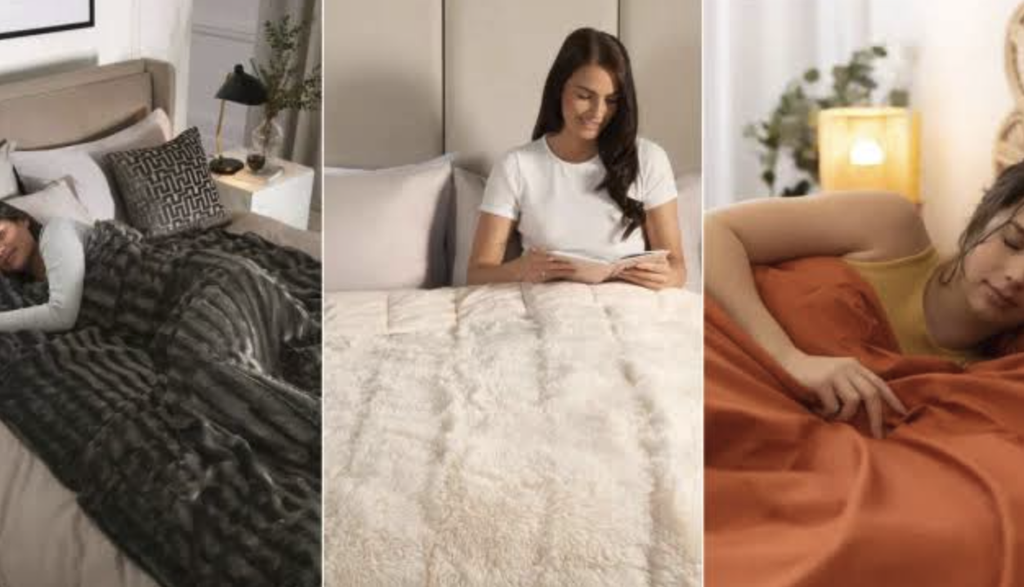
Choosing a weighted blanket comes down to matching weight, size, and fabric to your own body and sleep habits rather than chasing a single universal recommendation. The ten percent body weight guideline offers a reasonable starting point, but personal comfort, climate, and any underlying health conditions should guide the final decision.
For most healthy adults, a well-chosen weighted blanket can be a comforting, low-risk addition to a bedtime routine, best approached as one piece of a broader approach to rest and relaxation rather than a cure-all.
Taking advantage of a flexible return policy while testing weight and material, caring for the blanket properly between uses, and checking with a doctor where a health condition is a factor will help any buyer land on a blanket that earns a permanent spot on the bed rather than a shelf in the closet.
Frequently Asked Questions
What weight weighted blanket should I buy for a 150-pound adult?
Using the common ten percent guideline, a weight in the range of roughly fifteen pounds would be a reasonable starting point, though some people prefer slightly lighter or heavier options based on personal comfort. Starting with a retailer that allows exchanges or returns makes it easier to adjust if the initial weight feels off once tested over several nights, and keeping the original packaging until the trial period ends preserves the option to exchange without hassle.
Can two people share one weighted blanket?
Sharing a single weighted blanket is possible but often less comfortable than it sounds, since the ideal weight for two different body weights rarely matches, and movement from one sleeper can shift the blanket away from the other. Many couples find that two separate, appropriately weighted blankets work better than one large shared one, and placing two twin-sized weighted blankets side by side on a shared queen or king bed is a common, practical compromise that lets each partner keep their own preferred weight without needing to coordinate a single oversized purchase.
How do I know if a weighted blanket is too heavy?
Signs that a blanket is too heavy include difficulty moving comfortably during sleep, a feeling of being pinned down rather than gently pressed, or waking up more fatigued rather than more rested. If these signs persist after a reasonable trial period of a week or two, sizing down to a lighter option is worth considering, since the goal of deep pressure stimulation is a calming, secure sensation rather than a heavy, immobilizing one.
Are weighted blankets safe for people with anxiety disorders?
Many people with anxiety use weighted blankets as a comfort tool alongside other strategies, and some research suggests potential benefit for subjective anxiety symptoms, though individual response varies. Weighted blankets are best viewed as a complementary comfort measure rather than a replacement for professional treatment for a diagnosed anxiety disorder, and anyone experiencing persistent or worsening anxiety symptoms should seek guidance from a licensed mental health provider rather than relying on a blanket as a standalone solution.
How often should a weighted blanket be washed?
Blankets with a removable cover can have that cover washed on a schedule similar to regular bedding, roughly every one to two weeks, while the heavier insert itself typically needs washing far less often, perhaps every few months depending on use. Checking the specific care label for fill type and washing instructions helps avoid damage.
Do weighted blankets help with restless leg symptoms?
Some people report subjective comfort improvements using a weighted blanket alongside other restless leg management strategies, though the research specifically targeting this symptom remains limited. Anyone managing restless leg symptoms regularly should discuss treatment options with a doctor rather than relying on a blanket alone, since underlying causes of restless leg symptoms can range widely and sometimes point to a condition needing targeted medical treatment.