
Most expensive winter repairs begin as small, quiet problems in autumn: a clogged gutter, a gap under a door, a furnace that has not been checked since last year. Spending a few weekends on routine upkeep while the weather is still mild is one of the cheapest ways to protect your home, your budget and your comfort.
In this article we will discuss the jobs that matter most, the order in which to tackle them, which ones you can do yourself, and when to call a professional.
Gutters, roof and drainage come first
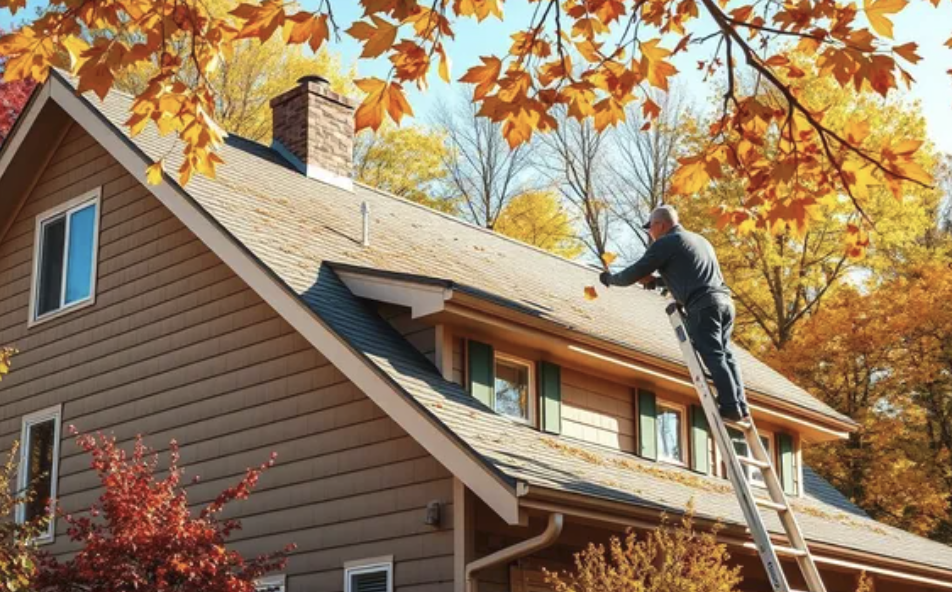
Begin outdoors and begin at the top, since water that leaves your roof properly cannot cause trouble below. Gutters packed with leaves, seed pods and grit overflow in heavy rain, and in freezing weather the standing water can turn to ice. The ice adds weight to the gutter, pulls it away from the fascia board and can force meltwater back under the roof edge. Clear the debris by hand or with a small scoop, flush the channels with a hose, and watch where the water goes to be sure it flows freely to the downspouts.
Check that each downspout discharges well away from the foundation, usually a couple of metres or several feet if your site allows it. Add an extension or a splash block if water is pooling beside the wall. Look for loose brackets, sagging runs, open seams and rust, and seal or fasten them while the weather is dry. If your gutters are high, or the roof is steep, use a stable ladder with a helper, or hire a professional, because falls from ladders are a leading cause of home maintenance injuries.
Next, look at the roof itself. From the ground, a pair of binoculars is often enough to spot slipped, cracked or missing tiles or shingles, lifted flashing around chimneys and vents, and moss or debris that holds moisture. Avoid walking on the roof unless you are trained and equipped, since it is dangerous and can damage the covering. If you notice damage, ask a licensed roofer for an inspection, and take dated photographs, which can help later with any insurance claim.
Finally, walk around the outside of the house and study the ground. Soil should slope gently away from the walls so that rain does not collect against the foundation. Fill low spots with compacted soil, and keep mulch and plants from piling up against the siding, where they hold moisture and attract insects. Check basement window wells and drains, and remove leaves from them so that heavy rain has somewhere to go.
Windows, doors and the building envelope
Heat escapes through small gaps far more easily than most people expect, and the same gaps let in cold air, moisture and pests. A quick check on a windy day can reveal them. Hold a lit incense stick or a piece of tissue near the edges of windows and doors, and watch for a flicker or a stream of smoke bending sideways, which shows that air is moving through. Mark each spot with a piece of tape so you can return to it with the right materials.
The usual fixes are inexpensive. Self-adhesive foam or rubber weatherstripping suits the moving parts of a door or window, while a flexible exterior caulk seals the fixed joints between frames and walls. Replace door sweeps that no longer touch the threshold, and consider a draught stopper for an internal door that leads to an unheated space. Clean the surface before applying any sealant, because dust and old residue prevent a tight bond, and choose products that are rated for your climate.
Look closely at the glass and frames too. Condensation between the panes of a double-glazed unit means the seal has failed, and while it is not an emergency, the unit will lose some insulating power. Rotten or soft wood around a window should be repaired before wet weather, since water will soak into it and make it worse. Check that windows open, close and lock properly, as a window that does not shut tightly wastes heat and weakens security.
Insulation in the walls and floors is harder to inspect, but clues are easy to spot. Rooms that stay cold, cold floors above an unheated garage, and frost that forms on the inside of an exterior wall can all point to missing or damaged insulation. Many energy agencies offer free or low-cost home assessments, and a professional can use a thermal camera to show where heat is escaping. Even if you cannot upgrade now, knowing the weak points helps you plan improvements for the warmer months, when contractors are often less busy.
Heavy curtains, thermal blinds and draught-proof door curtains are a simple, low-cost layer of defence. Open the curtains on sunny days to let the warmth in, and close them at dusk to keep it from leaking out through the glass. Rugs help to cut the chill from bare floors, and a window film or plastic sheet kit can improve a single-pane window for the season. These measures do not replace proper repairs, but they can make rooms noticeably more comfortable.
Do not forget the less obvious openings. Gaps where pipes, cables or vents enter the house can be sealed with fire-rated caulk or expanding foam designed for the purpose, and the attic hatch should have weatherstripping and an insulated cover. Check the garage door seal, the pet flap and the letterbox. Each of them is a small hole, but together they can add up to a sizeable draught, and a tighter house is easier and cheaper to warm.
Heating system checks before the cold arrives
Your heating system is likely to work harder over the next few months than at any other time, so give it attention while there is still no rush. Manufacturers and trade bodies commonly advise a professional service once a year, ideally before the heating season begins. A technician will inspect the burner or heat exchanger on a combustion system, check for leaks and unsafe fumes, test controls and safety switches, and clean or adjust parts as needed. Book early, because appointments fill up fast at the first cold snap.
There are several tasks you can do yourself. Replace or clean the air filter in a forced-air system, following the size and schedule given in the manual, since a clogged filter strains the blower and lowers air quality. Vacuum dust from vents and radiators, and make sure furniture and curtains do not cover them. If you have a hot water radiator or a hydronic system, bleed trapped air from the radiators according to the instructions, and check the pressure on the boiler gauge.
Turn the system on for a test run on a mild day, not on the first freezing night. Listen for unusual banging, squealing or rattling sounds, and note any odd smells. A short burning-dust smell on first use is common, but a persistent smell of gas, burning plastic or oil should be treated seriously. If you smell gas, leave the building, avoid switches and flames, and call your gas supplier’s emergency line or the emergency services from outside.
Take a moment to review your thermostat as well. A programmable or smart thermostat can lower the temperature while you sleep or are out, and many households save a noticeable amount of energy this way. Set a reasonable range, and swap the batteries if the unit uses them. If you heat with wood, pellets or oil, order fuel in good time and store it safely, away from the house if the local rules say so.
Ceiling fans and vents also deserve a quick look. Many fans have a switch that reverses the blades so they push warm air down gently in winter, and doing so can even out room temperatures. Check that cold-air returns and supply registers are not blocked, and that outdoor heat pump or air conditioning units are clear of leaves and debris. Cover outdoor condensers only if the manufacturer recommends it, as a poorly fitted cover can trap moisture and attract pests.
Fireplaces and chimneys need their own attention. A chimney sweep can remove creosote, a flammable residue left by burning wood, and check the flue for cracks, blockages and nesting animals. Many fire safety bodies commonly recommend an inspection each year if you use the fireplace regularly. Make sure the damper opens and closes smoothly, keep a metal screen in front of the fire, and burn only dry, well-seasoned wood, never rubbish or treated timber.
Safety devices deserve a fresh look
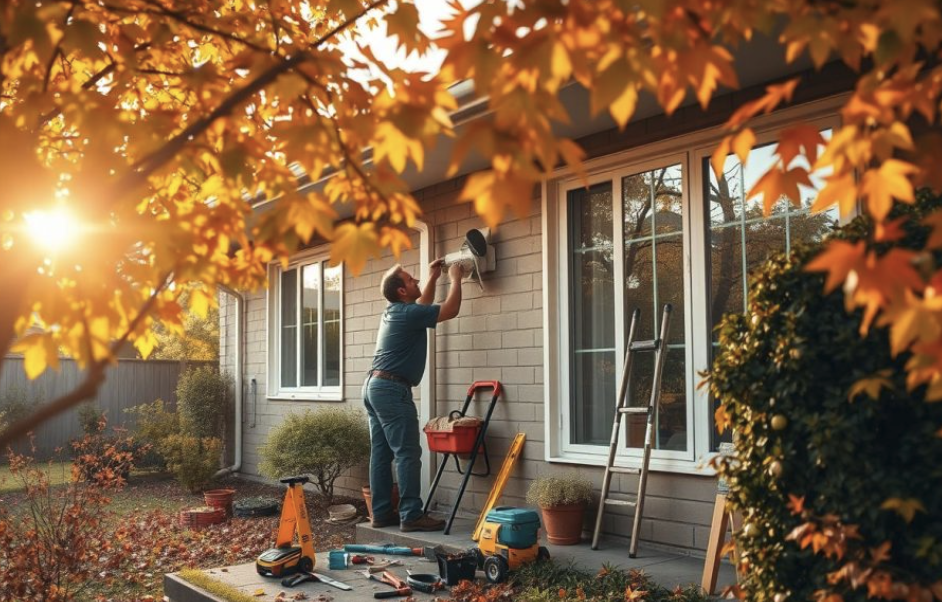
The cold months bring more time indoors, more heating and more cooking, which raises the risk of fire and carbon monoxide exposure. Smoke alarms and carbon monoxide alarms are cheap compared with the harm they prevent, yet they are among the most neglected items in a home. Press the test button on each one, and replace batteries in any unit that uses them. A common routine is to change the batteries when the clocks change, which makes the task easy to remember.
Alarms do not last forever. Manufacturers state a service life for each model, often around ten years for smoke alarms, and carbon monoxide alarms may have a shorter life. Look for the date printed on the back and replace any device that is past the stated limit, or that chirps even with fresh batteries. Check that there is an alarm on every level and near sleeping areas, and that carbon monoxide alarms are installed according to the instructions and local rules, which differ between countries.
Carbon monoxide is a colourless, odourless gas produced by faulty or poorly vented fuel-burning appliances, and it can be dangerous before anyone notices. Early symptoms such as headache, dizziness, nausea and tiredness can resemble flu. If an alarm sounds, or if several people in the home feel unwell at once, go outside into fresh air and call emergency services, and seek medical attention. Never run a generator, barbecue or camping stove indoors or in an attached garage, even with the door open.
Fire extinguishers and escape plans round out the list. Check that any extinguisher has its pressure gauge in the safe zone and its pin and seal intact, and replace or service it according to the label. Keep one in the kitchen and know how to use it. Walk through your escape routes with everyone in the home, agree on a meeting place outside, and make sure windows used as exits open easily. Portable heaters should be placed on a flat surface away from curtains and furniture, plugged directly into a wall socket, and switched off when you leave the room or go to bed.
Plumbing and outdoor water before the freeze
Pipes burst when water inside them freezes and expands, and the damage often shows only when the ice thaws. Your first job is to find out where your main water shut-off valve is, test that it turns, and make sure every adult in the home knows its location. If a pipe bursts, turning off the water quickly can save thousands in repairs. Tag the valve clearly, and keep a flashlight and a basic wrench nearby.
Next, deal with the outdoor taps. Disconnect garden hoses and drain them, because a hose left attached can trap water that freezes back into the tap and pipe. If your home has a shut-off valve for outdoor taps inside the house, close it and open the exterior tap to drain the line. Insulated covers for outdoor taps are cheap and easy to fit. Drain and store irrigation systems and outdoor fountains according to their instructions.
Inside the house, focus on the places most exposed to cold, such as basements, crawl spaces, garages, attics and outside walls. Wrap exposed pipes with foam pipe insulation, and seal any air leaks that bring cold air near them. If a cold snap is forecast, open the cabinet doors under sinks on outside walls to let warm air in, and let a faucet drip slowly if local advice recommends it. For a holiday away in winter, do not turn the heating off completely; keep it at a low but safe setting, or shut off the water and drain the system if you will be gone for long.
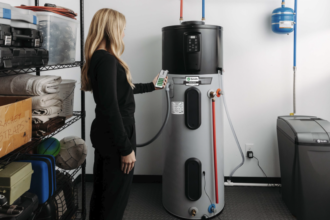
Check your water heater while you are in the utility area. Look for rust, drips and a damp floor, and flush a little water from the drain valve to clear sediment if the manual advises it. Test the pressure relief valve only as directed by the maker. Check for slow leaks at taps, toilet fill valves and under sinks by looking and by feeling with a dry paper towel, since small leaks waste water and can rot cabinets.
Think about power cuts as well, because winter storms often bring them. Keep flashlights, spare batteries, a battery radio, blankets and a few days of drinking water and non-perishable food in an easy-to-reach place. Charge portable power banks before bad weather arrives, and know how to reset your breaker panel safely. If you rely on medical equipment that needs electricity, talk to your doctor and your electricity supplier about a backup plan well before the cold sets in.
Garden, trees and outdoor structures
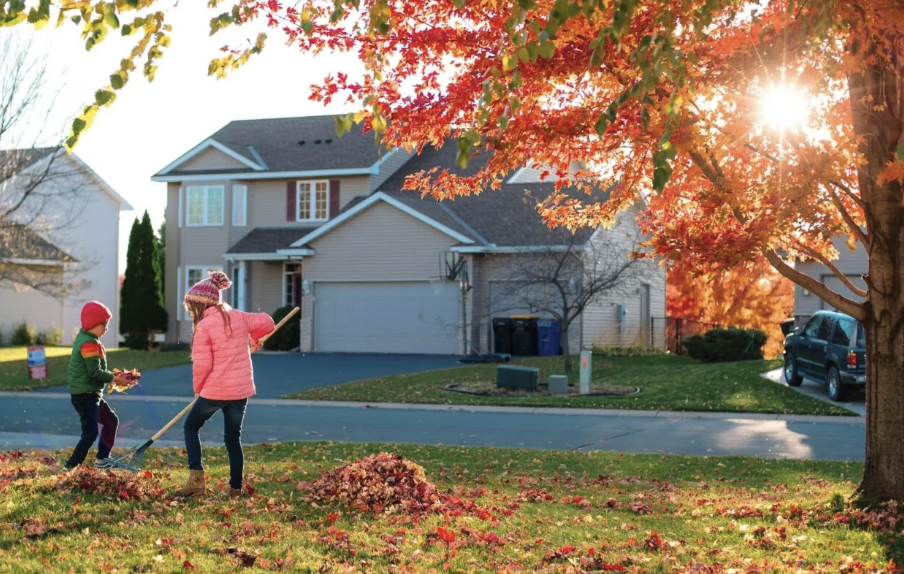
Leaves, branches and loose items become hazards when storms and snow arrive. Rake leaves from lawns and paths, as a thick wet layer can smother grass and become slippery underfoot. Leaves can be composted, mulched into the lawn with a mower or bagged according to local waste rules, but keep them out of drains and gutters. Remove dead plants that harbour pests and fungal disease, and cut back perennials as suits your region.
Look up at the trees near your house. Dead, cracked or overhanging branches can fall during wind, ice or heavy snow, damaging roofs, cars and power lines. Pruning large limbs or working near power lines is dangerous, so hire a qualified arborist for anything beyond what you can cut from the ground with hand tools. Autumn is also a reasonable time to plant trees and shrubs in many climates, since the soil is warm and the roots have time to settle before winter.
Examine fences, gates, decks, steps and handrails. Replace loose boards and protruding nails, tighten bolts, and treat bare wood with a suitable sealer or stain if the weather is dry enough. Clear algae and moss from paths and steps, which become slick when wet and icy. Store garden furniture, cushions and tools in a shed or garage, or cover them with fitted, breathable covers.
Prepare for snow and ice, if they are part of your winter. Service your snow blower or check that your shovels are sturdy, and buy ice melt or sand before the shops sell out. Mark the edges of driveways and paths with stakes if the snow could hide them. Before storing the lawn mower, run it dry or add a fuel stabilizer, clean the blades, and put the machine away for the winter.
Indoor moisture, pests and the attic
The attic is the part of the house that people look at least, yet it plays a big role in winter performance. Go up with a flashlight and look for wet insulation, dark stains on the wood, daylight where it should not be, and droppings or nests. Insulation that is thin, flattened or uneven loses much of its effect, and many energy agencies publish recommended levels for different climates. Make sure the vents at the eaves and ridge are clear, because good ventilation helps stop condensation and ice dams, which form when heat escaping from the house melts snow on a roof and the water refreezes at the edge.
As the weather turns, mice and other pests look for warm shelter. Seal gaps larger than a small coin around pipes, vents, doors and the foundation, using steel wool or metal mesh combined with caulk, since rodents can chew through soft materials. Store pet food, birdseed and grains in sealed containers, and keep firewood a short distance from the house and off the ground. If you see droppings or hear scratching, set traps or call a pest control firm, and wear gloves and a mask when cleaning up, because droppings can carry disease.
Indoor humidity needs balance in winter. Air that is too damp leads to condensation on windows, mould on walls and musty smells, while air that is too dry irritates skin and throats. Many health and building bodies commonly suggest keeping indoor relative humidity roughly between thirty and fifty percent, and a small humidity meter is cheap to buy. Use extractor fans in the kitchen and bathroom, run them while you cook and shower, and fix any leak straight away. People with asthma, allergies or other breathing conditions should speak to a doctor about their home environment, especially if mould is visible.
Finish with the dryer vent and appliance care. Lint in a clothes dryer duct is a well-known fire hazard, so clean the lint trap after every load and have the duct cleared once a year. Pull the refrigerator out to vacuum the coils if the manual recommends it, check the washing machine hoses for bulges and cracks, and test the sump pump by pouring water into the pit if you have one. A pump that fails during a thaw can leave a basement under water.
A seasonal schedule at a glance

A list is only useful when it turns into dates. Spreading tasks across several weekends keeps the work light and ensures the weather-dependent jobs happen before the cold arrives. The table below gives a simple example. Adjust the timing to your climate, remembering that readers in the southern hemisphere will have their autumn in different months, and that some regions need very little winter preparation at all.
| Timing | Task | Do it yourself or hire? |
| Early autumn | Book heating service and chimney sweep | Hire |
| Early autumn | Clean gutters, check downspouts and grading | Either, hire if the roof is high |
| Early autumn | Inspect roof from the ground, call roofer if needed | Hire for repairs |
| Mid autumn | Seal windows, doors and small gaps | Do it yourself |
| Mid autumn | Replace furnace filter, bleed radiators | Do it yourself |
| Mid autumn | Test alarms, check extinguisher | Do it yourself |
| Late autumn | Drain hoses, cover outdoor taps, insulate pipes | Do it yourself |
| Late autumn | Clear leaves, store furniture, prepare snow tools | Do it yourself |
| Before the first freeze | Check attic, vents, sump pump and dryer vent | Either |
Add your own jobs to the list, such as servicing a septic system, checking a well pump or draining a pool. Keep the finished list in a folder or on your phone, with notes on dates, filter sizes, the names of tradespeople and warranty details. Over the years it becomes a home maintenance log, which saves time, helps you spot trends and can be useful when you sell the house. A written record also tells an insurer that you looked after the property, should you ever need to make a claim.
Conclusion

If the whole list feels long, start with the jobs that protect against the greatest damage and cost the least time. Clear the gutters and check the downspouts this weekend, then book the heating service and the chimney sweep while appointments are still available. Test every smoke and carbon monoxide alarm, and learn where the water shut-off valve is. These four steps cover the most common causes of serious winter loss, namely water damage, heating failure, fire and flooding from frozen pipes.
Over the following weekends, work through the draught proofing, the outdoor taps, the garden and the attic in the order that suits your weather. Do not feel you must do everything yourself. Hire a professional for anything involving ladders on steep roofs, gas appliances, electrical faults, large trees or suspected structural damage, because the cost of a call-out is small next to the cost of an accident. When you get quotes, ask for written estimates, check that the person is licensed and insured where this is required, and keep the receipts.
Finally, check your insurance. Read the policy so that you know what it covers for storm damage, burst pipes and water leaks, and note the excess you would have to pay. Take photographs of your home and valuables for your records, and store a copy somewhere other than the house. A few hours of autumn effort will not make the winter disappear, but it can turn a season of nasty surprises into a season of ordinary weather.