Hearing changes usually arrive slowly, and many adults put up with muffled conversations for years before doing anything about them. Over-the-counter hearing aids have made the first step cheaper and simpler in some countries, but they are not the right tool for everyone.
In this article we will discuss who these devices are designed for, which warning signs call for a medical visit first, how the main styles and features compare, and how to set up and test a pair so you can decide with confidence.
Self-Fitting Devices Are Meant for Mild to Moderate Hearing Loss
Over-the-counter hearing aids are sold without a prescription or a fitting appointment, and they are aimed at adults who sense mild to moderate trouble hearing. In the United States, a regulatory category for these devices was created so that adults with that level of difficulty could buy them directly from shops or online. Other countries handle the question differently, and in many places hearing aids still go through a clinic, a pharmacy counter, or a licensed dispenser. Before you shop, check which rules apply where you live, because the protections that come with a purchase can differ.
Mild to moderate loss usually shows up in everyday situations rather than in silence. You might find that you ask people to repeat themselves in restaurants, turn the television louder than others in the room like it, or struggle to follow voices on the phone. Higher-pitched sounds, such as children’s voices, birds, or the consonants in speech, often fade first. People with this pattern often say they can hear that someone is talking but cannot make out every word.
These devices work by picking up sound with a small microphone, amplifying and shaping it with a processor, and delivering it into the ear through a tiny speaker. Many over-the-counter models let you adjust the settings yourself, either with a phone app, a small remote, or buttons on the device. That self-adjustment is the main difference from a traditional fitting, where a professional programs the device using the results of a hearing test. The trade-off is convenience and lower cost on one side, and personalized tuning on the other.
It helps to be honest about what these devices cannot do. They cannot restore normal hearing, and they will not fix conditions caused by a blockage, an infection, or damage that needs medical treatment. They also tend to have less power and less fine control than prescription devices, which can matter for steeply sloping loss or for people who need strong amplification. If a trial makes speech louder but not clearer, that is useful information, and it may mean you need a professional evaluation rather than a different over-the-counter model.
Age is another factor that readers often ask about. The category is intended for adults, and most manufacturers set a minimum age of eighteen. Children and teenagers who seem to have trouble hearing should see a doctor or an audiologist, because hearing affects speech, learning, and development in ways that adults do not face. If you are buying for an older relative, remember that they may also have dexterity or vision limits, which affect how easy small batteries, tiny buttons, and app controls will be.
Warning Signs That Call for a Medical Visit Before You Buy
Some changes in hearing should not be handled with a shopping trip. Sudden hearing loss in one or both ears, especially if it develops over hours or a few days, is generally treated as urgent, and a doctor should see you promptly. The same goes for hearing that is much worse in one ear than the other, a new ringing in only one ear, or a feeling of fullness that does not go away. These patterns can have causes that a hearing aid does not address and that are best treated early.
Other symptoms deserve attention too. Ear pain, fluid or discharge from the ear, and dizziness or a spinning sensation are all reasons to see a doctor first. A visible deformity of the ear, a history of recent ear surgery, or hearing trouble that began after a head injury also belongs on the list. Many product labels repeat these warnings, and they are worth taking seriously rather than skimming past.
Earwax is a common and easily overlooked cause of muffled hearing. A plug of wax can make sounds seem dull, and placing a hearing device into a blocked canal can make the problem worse or cause discomfort. Do not push cotton swabs or other objects into the ear to clear it. A clinician can check the canal and remove wax safely, and it is quite common for people to notice a clear improvement afterward.
A short list of questions can help you decide whether to see a professional first. The table below summarizes common situations and a sensible next step. It is general information, not a diagnosis, and if you are unsure which row describes you, the safer choice is to book an appointment.
| Situation | Sensible next step |
| Hearing dropped suddenly over hours or days | See a doctor promptly, before buying a device |
| One ear is much worse than the other | Medical or audiology evaluation first |
| Ear pain, drainage, or dizziness | Medical evaluation first |
| Slow, gradual difficulty in noisy places | Over-the-counter trial is reasonable, with a baseline test if possible |
| Wax buildup suspected | Have a clinician check and clean the ear first |
| Difficulty is severe or speech stays unclear | Seek a professional fitting and a full hearing evaluation |
| The person is under eighteen | Pediatric or audiology care |
If you are on the fence, a hearing test is inexpensive relative to the cost of a poor purchase and often takes less than an hour. Many audiology clinics offer a basic test, and some pharmacies and community programs provide screenings as well. The test produces a chart called an audiogram, which shows the quietest sounds you can hear at different pitches. Keep a copy, because it gives you a baseline for comparing any device you try.
Styles and Types Differ in Comfort, Visibility, and Control
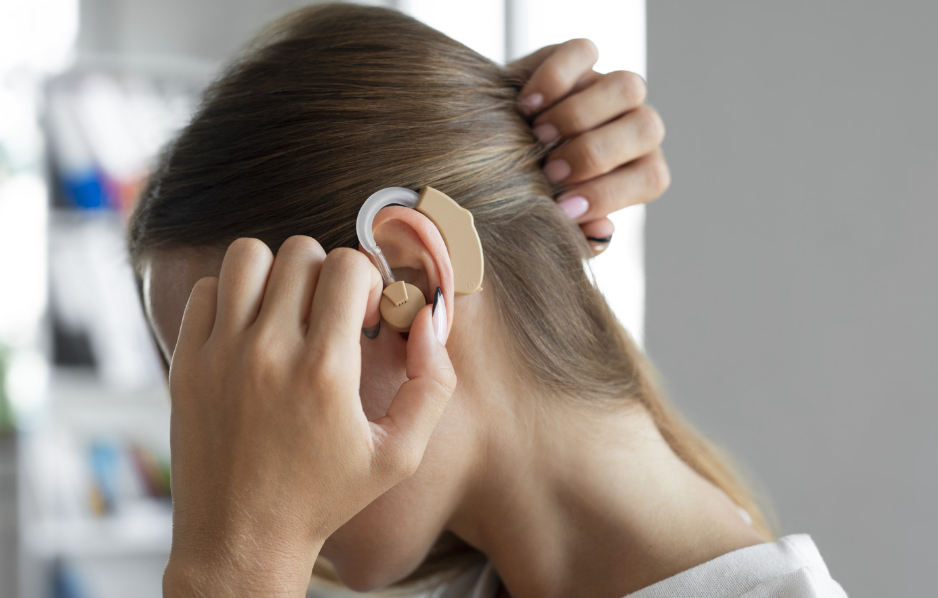
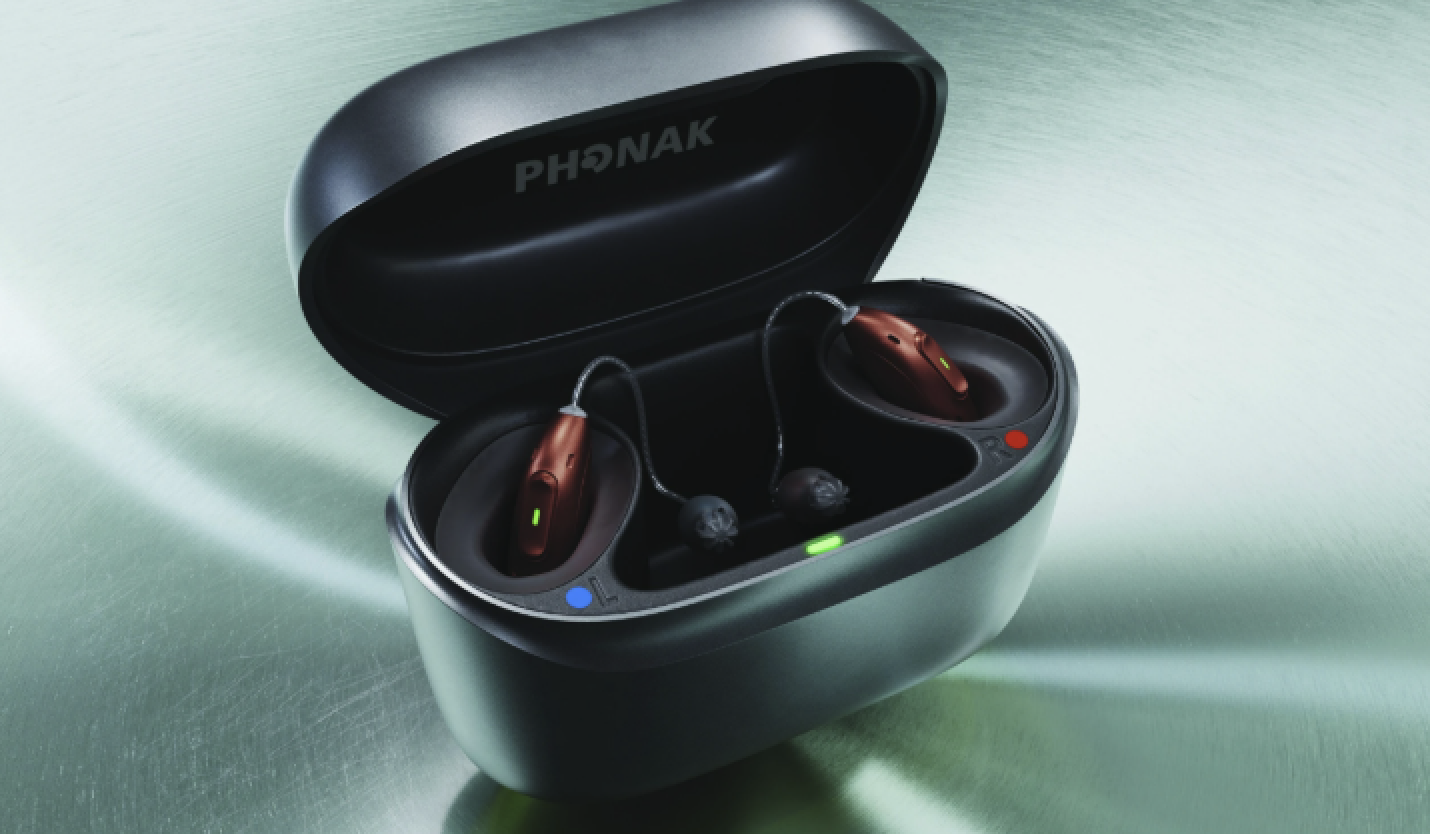
Over-the-counter hearing aids come in several shapes, and the best one for you depends on your ears, your habits, and how much you mind being seen wearing them. The most common types are behind-the-ear models, in-the-canal models, and very small devices that sit mostly out of sight. Each has strengths and weaknesses, and none is better in every situation. The table below gives a general comparison, although individual products vary.
| Style | Typical strengths | Typical drawbacks |
| Behind the ear with a thin tube or wire | Room for a larger battery and more controls, often easier to handle | More visible, can interfere with glasses and masks |
| Receiver in the canal | Natural sound for many wearers, comfortable open fit | Small parts to manage, moisture can affect the receiver |
| Style | Typical strengths | Typical drawbacks |
| In the canal or completely in the canal | Discreet, less wind noise | Tiny controls, can feel plugged up, harder to clean |
| Earbud-like designs | Familiar look, often paired closely with phone apps | Battery life can be short, fit varies, labeling needs checking |
Open-fit designs leave the ear canal partly unblocked so that low-pitched sounds can enter naturally, while the device boosts the higher pitches that tend to be lost first. Many people find this feels less closed in than a design that seals the canal. A sealed fit, on the other hand, can deliver more amplification and may suit people with greater loss. If your own voice sounds boomy or hollow when you wear a device, that is called the occlusion effect, and it is a common reason people return in-the-canal models.
Think about how you live before you pick a style. If you wear glasses all day, a behind-the-ear device shares space with the temples of your frames, and some people find it crowded. If you handle small objects with difficulty because of arthritis or reduced sensation in your fingers, larger controls and a rechargeable case can make a big difference. If you spend a lot of time on calls, look at how the device connects to your phone and whether it handles voice calls clearly.
Single devices and pairs are another decision. Hearing loss often affects both ears, and wearing two devices can help you tell where sounds are coming from and follow speech in groups. Some people with milder loss start with one and add a second after a trial. Check whether the product is sold singly or as a pair, since pricing and return rules sometimes differ.
Features That Are Worth Paying for and Those That Are Not
A long feature list can make a product look more capable than it is, so it helps to sort features into those that affect daily comfort and those that are mostly marketing. Start with the basics: how the device is powered, how you adjust the volume, and how easily you can clean it. Then consider optional extras such as phone connection, directional microphones, and noise management. You do not need every feature, but you should know which ones fit how you spend your day.
Power is a practical matter. Some devices use small disposable batteries that need replacing every several days, while others have built-in rechargeable batteries that charge in a case overnight. Rechargeable models are convenient and avoid fumbling with tiny cells, but battery capacity eventually declines, and you should ask how the battery can be replaced or serviced. Disposable batteries are cheap and quick to swap when you are traveling, yet they can be fiddly for people with limited dexterity. Whichever you choose, keep a plan for backup power.
Directional microphones and noise reduction are the features that most affect how well you hear in restaurants and crowds. Directional microphones favor sound coming from in front of you, which is where the person you are talking to usually is. Noise reduction tries to lower steady background sounds such as fans or traffic. Neither feature removes noise completely, and over-the-counter devices differ in how well they do this, so a trial in the loud places you visit often is the best test.
Phone connectivity is useful for some people and an annoyance for others. A connected device can stream calls, music, and video audio directly to your ears, and an app often provides volume, program, and equalizer controls. If you do not own a smartphone, or you dislike apps, look for a device with physical controls that work on their own. Check that the app is supported on your phone and that the manufacturer keeps it updated, since a device that depends on an abandoned app can become frustrating.
A few other features are worth a quick look. Some devices include a telecoil, which picks up signals from certain public loop systems in theaters, places of worship, and meeting rooms, though this is rare in lower-cost models. Others offer moisture resistance, which helps with sweat and humidity but is not the same as being waterproof. Tinnitus masking sounds appear on some products and may help certain users, but persistent or one-sided ringing should be raised with a doctor.
Fit and Comfort Decide Whether You Keep Wearing Them
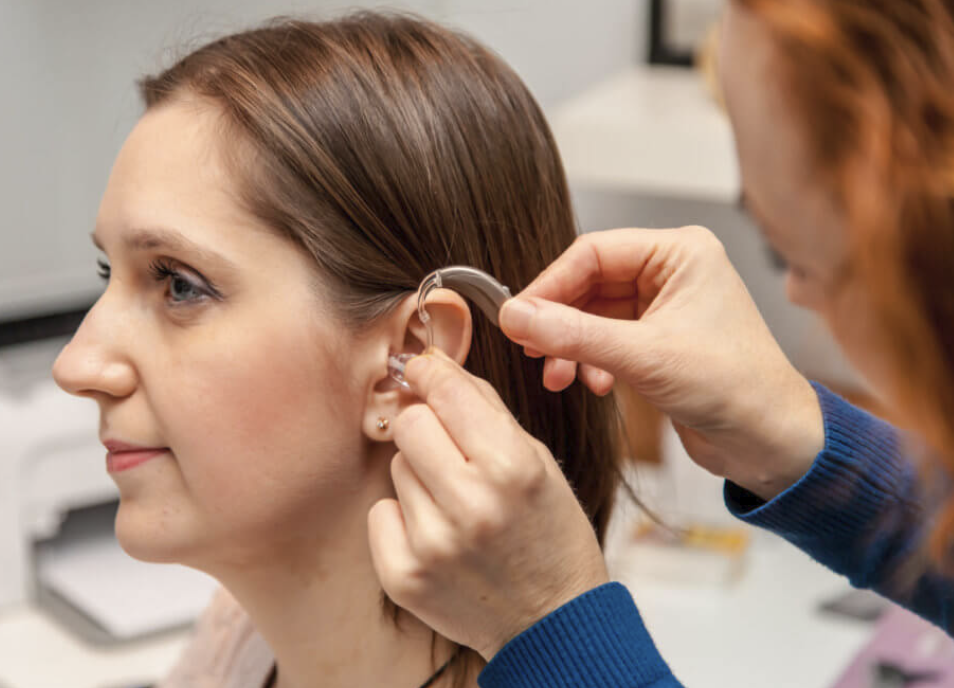
The best hearing aid is the one you will wear every day, and comfort is the biggest reason people leave devices in a drawer. Ear canals vary in size and shape, even between the left and right ear of the same person. Most devices come with several sizes of soft tips, domes, or sleeves, and choosing the right one affects both comfort and sound quality. A tip that is too small can slip out and whistle, while one that is too large can ache after an hour.
Whistling, also called feedback, happens when amplified sound leaks out of the ear and gets picked up by the microphone again. It is often a sign of a poor seal, a loose tip, or a canal with wax in it. Try a different tip size, check that the device is seated properly, and look for wax before assuming the product is faulty. Persistent feedback after trying these steps is a fair reason to use your return window.
Give your ears and brain time to adjust. After years of reduced hearing, ordinary sounds such as rustling paper, running water, and footsteps can seem startlingly loud at first. Most guidance suggests starting with a few hours a day in quiet settings and building up gradually. The goal is to retrain your brain to accept sounds it has been missing, which is a process measured in weeks rather than days.
Keeping the devices clean also affects comfort and reliability. Wax and moisture can block the microphone and speaker ports, so wipe the device daily with a dry cloth and use the small brush or tool that came with it. Store it in a dry case overnight and open the battery door if the model uses disposable cells. Avoid water, hairspray, and harsh cleaning products, and follow the maker’s care instructions rather than improvising.
If you notice soreness, redness, or irritation in the ear canal, stop wearing the device and let the ear rest. Occasional mild pressure is normal at first, but pain or skin breakdown is not. A professional can check the ear and may suggest a different tip or a different style entirely. Do not ignore discomfort in the hope that it will pass, because an ill-fitting device can make you give up on hearing help altogether.
Costs, Warranties, and Return Policies Shape the Real Value
Over-the-counter hearing aids generally cost less than traditional prescription devices, mainly because they are sold without professional fitting services. That lower price is a real advantage, but it is worth looking at the whole package instead of the sticker alone. Ask what is included, such as spare tips, a charging case, a carrying case, and cleaning tools. Also ask what support exists if something goes wrong, because a low price loses its appeal if help is hard to reach.
A trial period is the most important protection you can get. Look for a clear return window, a plain description of how to return the device, and an honest statement about whether any fees apply. Read the terms before you buy, not after, and keep the receipt and packaging until you are sure. A seller who is vague about returns is a reason to look elsewhere.
Warranty terms deserve attention too. Hearing aids live in a warm, moist, wax-filled environment, so repairs are a normal part of ownership. Check how long the warranty lasts, whether it covers loss or water damage, and who handles repairs. Some makers offer replacement plans for an extra charge, which may be worth considering if you tend to misplace small items.
Insurance coverage varies widely. Some health plans, employers, or public programs help pay for hearing aids, while many do not, and coverage for over-the-counter devices may differ from coverage for prescription ones. Flexible spending or health savings accounts may be usable for eligible purchases in some countries. Call your plan or check your benefits before you buy, and keep documentation of what you paid.
Be cautious about advertising that promises dramatic results. A reputable seller will describe the device as an aid for mild to moderate difficulty and will be honest about its limits. Claims such as a cure for hearing loss, a perfect fit for everyone, or a guaranteed result are red flags. If something sounds too good to be true, it probably is, and you can compare it with the labeling requirements in your country.
Personal Sound Amplifiers Are Not the Same as Hearing Aids
Shoppers often meet a wide range of products that look similar but follow different rules. A personal sound amplifier is a device meant to boost sound for people with normal hearing, for example while bird-watching, hunting, or listening to a lecture from the back row. It is not intended to treat hearing loss, and its labeling should say so. Because the categories overlap in appearance and price, reading the packaging matters.
Regulated hearing aids, whether sold over the counter or through a clinic, are subject to rules about safety, output limits, labeling, and performance. Those rules are meant to reduce the risk of harm, such as sounds that are loud enough to damage hearing. A product that does not claim to be a hearing aid does not carry the same obligations. If a listing is vague about what the product is for, treat that vagueness as information.
Some consumer earbuds and headphones now include hearing-assist or hearing-test features. These can be a gentle introduction for people who are curious about their hearing, and some may offer a rough screening tool. Even so, a phone-based test is not a substitute for a clinical evaluation, and it cannot detect conditions that affect the ear itself. If a consumer test suggests a problem, treat it as a prompt to book a proper exam.
The safest approach is to match the product to the purpose. If you have trouble following speech in everyday life, look for a product labeled as a hearing aid in your country, with a clear return policy. If you simply want to boost the sound of a television or a lecture, an amplifier or a headphone with volume controls may be enough. Either way, keep volume at a comfortable level, since loud amplification can harm hearing over time.
Be careful with secondhand and imported devices. A used hearing aid may have been programmed for someone else, may carry hygiene concerns, and may not come with any warranty. Imported products may not meet the standards of your country, and their labeling may be hard to verify. Buying new from a seller with clear contact information and return terms is safer for most people.
The First Weeks of Use Are for Adjusting and Testing
Setting up a device properly can make the difference between satisfaction and disappointment. Begin in a quiet room, wash your hands, and follow the maker’s instructions for inserting the device, which should feel snug but not painful. Start at a low volume and raise it gradually until speech sounds clear without being sharp. Use the fitting tool, app, or presets provided to try a few sound profiles.
Test in the situations that give you trouble. Try the device while talking with one person, then at a family meal, then in a busy shop or restaurant. Note where it helps and where it does not, because those notes will be useful if you speak with a professional later. Many people keep a short log for the first two weeks, noting the situation, the setting used, and how well they heard.
Here is a simple routine for the trial period. Wear the device for a few hours a day at home for the first several days, then add one new setting, such as a restaurant, every day or two. Adjust the volume and program only a little at a time, and clean the device each evening while checking the tips for wear. At the end of two weeks, review your notes and decide whether to keep, adjust, or return it.
Ask friends and family for feedback too. They may notice that you are speaking more loudly than before, or that you respond more quickly to quiet remarks. Your own voice may sound strange for a while, which is normal. If it still sounds hollow or echoing after the adjustment period, try a different tip or an open fit.
Be realistic about outcomes. Many people find that an over-the-counter device lets them follow conversations and television with less effort, and that is a worthwhile result. Others find that the device amplifies sound without bringing clarity, which suggests they may need a custom fit or a different kind of care. Returning a product that does not work is not a failure, and it is exactly what the trial period is for.
Final Thoughts
Start by deciding whether an over-the-counter device is a reasonable place to begin. If your difficulty is mild or moderate, it developed gradually, and you have none of the warning signs described above, a trial is a sensible step. If anything on the warning list applies, see a doctor first. If you feel unsure, a basic hearing test costs little and gives you a clearer picture.
Next, choose the style that fits your life. People who wear glasses or struggle with small controls may prefer a larger behind-the-ear model, while those who want discretion may lean toward a smaller canal design. Think about whether you want rechargeable power, phone connection, or simple physical controls. Compare two or three products on these points rather than on price alone.
Then read the return policy, warranty, and support terms before paying. Look for a trial period of at least a few weeks, a simple process for returns, and a way to reach a real person when you have a question. Keep the packaging and receipt until you are sure you will keep the device. If a seller will not state these terms clearly, move on.
Plan a follow-up. After a few weeks of wear, review your notes and decide what to do. If the device helps, keep wearing it consistently, clean it daily, and schedule a hearing test every year or two, or sooner if your hearing changes. If it does not help enough, a professional fitting may be the next step, and your notes and baseline test will make that visit more productive.
Finally, protect the hearing you still have. Keep headphone volume moderate, use ear protection around loud machinery and concerts, and treat sudden changes as a reason to call a doctor. Hearing help works best as part of a broader habit of caring for your ears. General information like this cannot replace advice from a doctor or audiologist who knows your history.
Read more about Newolt