A working alarm is one of the cheapest and most effective safety devices a household can own, yet many alarms hang on ceilings with flat batteries, expired sensors or poor positions. Smoke and carbon monoxide are different dangers, so each needs its own detection, and neither should be forgotten after installation.
In this article we will discuss how the two kinds of alarm differ, where to put them, how to test them, when to replace them, and what to do when one sounds.
Two different devices guard against two different dangers
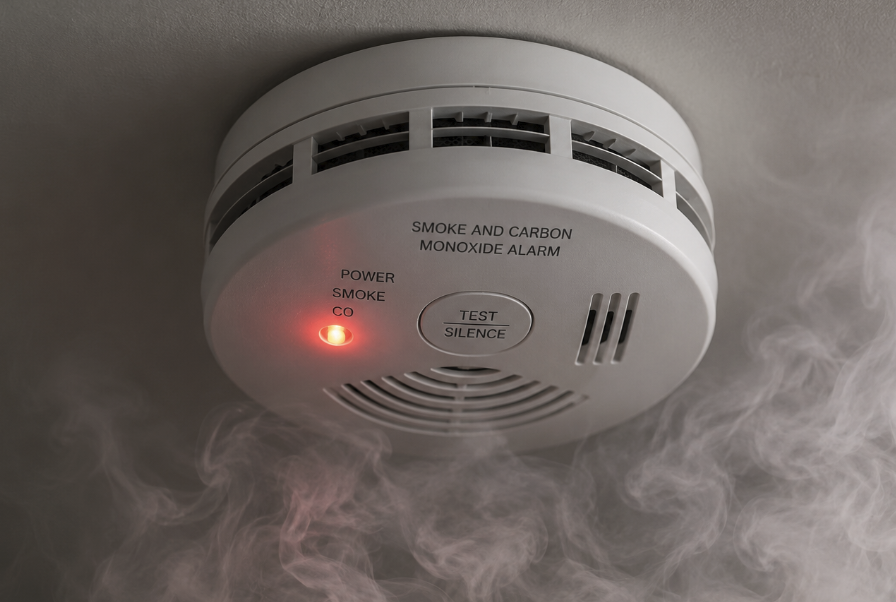
A smoke alarm and a carbon monoxide alarm look similar on the ceiling, but they sense completely different things. A smoke alarm detects the tiny particles, and sometimes the heat, produced by a fire, and it warns you that something is burning. A carbon monoxide alarm detects a gas that has no colour, taste or smell, produced when fuel does not burn fully. One cannot do the job of the other, and a household with only one type is only half protected.
Carbon monoxide comes from anything that burns fuel, including gas boilers and cookers, oil and solid-fuel heaters, open fires, wood stoves, water heaters, portable generators and vehicles running in an attached garage. A blocked flue, a poorly maintained appliance or a lack of ventilation can let the gas build up inside a home. Because you cannot sense it, the first sign can be symptoms, which are commonly described as headache, dizziness, nausea, tiredness and confusion. These resemble flu or food poisoning, which is why the gas is so easy to miss, especially at night.
Fires are different in that they are usually noticed by smell or sight, but smoke can spread through a home quickly and a sleeping person may not wake. Published fire safety guidance consistently stresses that early warning gives you precious time to get out. The alarm’s job is to buy you those minutes, and your job is to have a plan for using them.
Combination devices, which sense both smoke and carbon monoxide, are sold in many countries. They can be handy where ceiling space is limited, but they have drawbacks. The two sensors may have different lifespans, so the whole unit has to be replaced when the shorter-lived one expires. Also, the best location for a smoke sensor and for a carbon monoxide sensor are not always identical, so separate devices sometimes allow better positioning.
Look for approval marks that match your region. In the United Kingdom, for instance, smoke alarms are expected to meet a European standard and carbon monoxide alarms a separate one, and a recognised third-party mark is a good sign. In the United States and Canada, look for a listing mark from a recognised testing laboratory. Avoid unmarked bargain units, since an alarm that has never been independently tested may fail when it is needed.
Smoke alarm sensors respond to different kinds of fire
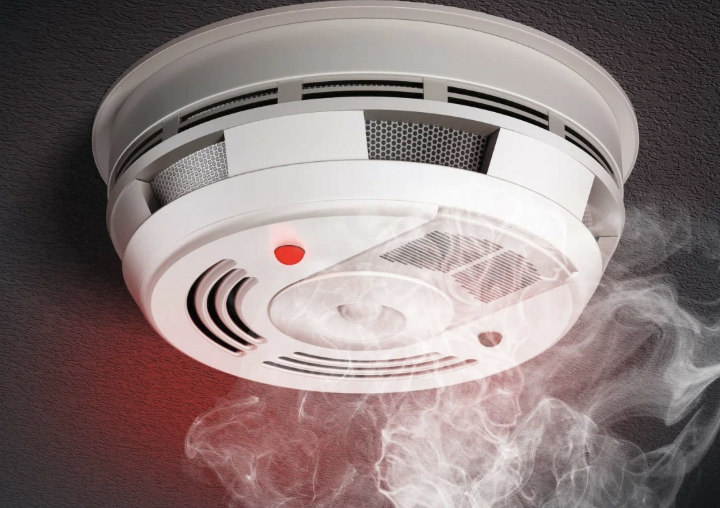
Smoke alarms come with two main sensing technologies. Ionization alarms contain a tiny, safely enclosed radioactive source and tend to respond quickly to fast, flaming fires that produce small particles. Photoelectric alarms use a beam of light and a sensor, and they tend to respond sooner to slow, smouldering fires that produce larger particles, such as a cigarette in a sofa or an overheated cable. Real fires vary, so neither type is best in every case.
Because of this difference, many fire safety organizations recommend either using both types in the home or choosing dual-sensor alarms that combine the two. Photoelectric alarms are also less prone to nuisance alarms from cooking, which is a practical reason to prefer them near kitchens. Guidance varies by country, and some national bodies favour photoelectric or optical alarms as the default choice, so check what your local fire service suggests.
Heat alarms are a third option. They respond to a rise in temperature rather than to smoke, so they are suitable for kitchens and garages, where cooking fumes or exhaust would trigger a smoke alarm every day. A heat alarm is slower than a smoke alarm in warning of a developing fire, so it should add to the smoke alarms in the home and never replace them in bedrooms and escape routes. Many fire services suggest installing one in the kitchen alongside the smoke alarms in neighbouring spaces.
Some alarms add features such as a hush button, which silences a false alarm for several minutes, or a voice message that announces the location of the alarm. Voice messages can help children, who may not wake to a tone alone, and there are alarms with a lower-frequency sound designed for people with mild hearing loss. People who are deaf or very hard of hearing can use alarms with strobe lights or bed shakers. If someone in the home has special needs, ask the local fire and rescue service, since many offer advice and sometimes free equipment.
When choosing, read the packaging for the type of sensor, the type of power, the stated life and the standard it meets. A cheap alarm can be perfectly adequate when it meets the standard, but a poorly documented one is a gamble. Buy from a reputable seller, and keep the packaging or manual so that you have the installation instructions and the date of purchase on hand.
Placement rules decide whether you get early warning
Smoke rises, so smoke alarms belong on the ceiling or high on a wall. A typical recommendation is to fit one on every level of the home, including the basement and the landing, and inside every bedroom, plus in the hall or corridor outside the sleeping areas. In a single-storey home, it is usually sensible to put one in the hall between the bedrooms and the living areas, and then add one in each bedroom if the guidance in your country suggests it. The manual for your device gives the exact rules.
On a flat ceiling, the usual advice is to fit the alarm near the centre of the room or the hall, and at a safe distance from walls and corners, where air can be stagnant. Commonly given distances are at least 30 centimetres, or about a foot, from walls and light fittings. On a sloping or peaked ceiling, mount the alarm near the high point but leave a small gap below the very peak, because the pocket of trapped air at the top can keep smoke away. If you mount on a wall, place it high, typically within a hand’s width or two of the ceiling.
Kitchens and bathrooms need care. Smoke alarms placed too close to cooking appliances will sound whenever someone makes toast, and people then remove the battery in frustration. A commonly given figure is to keep a smoke alarm at least three metres, about ten feet, away from a stove or oven, with a photoelectric type or a heat alarm used where the room is small. Steam from a bathroom can also set off the alarm, so keep it outside, and avoid spots near vents, fans, windows or radiators, where moving air can disrupt detection.
Do not place an alarm in a spot where it is hard to reach for testing and cleaning, but do not hang it where it can be disturbed either. Garages, attics and very dusty or damp rooms are generally unsuitable for standard alarms, because dust, temperature extremes and insects cause false alarms or failure. Check the manual for the allowed temperature range. Where an area is not suitable, use a different type of device recommended for that setting.
Rented homes and shared buildings have their own rules. In many countries landlords must fit working alarms and check them at the start of a tenancy, and tenants are expected to test them and tell the landlord if they fail. The details of who has to provide what differ by country, region and sometimes the type of building. If you are unsure, ask the landlord or the local housing or fire authority, and never remove or disable an alarm in a rented property.
| Location | Smoke alarm | Carbon monoxide alarm | Common mistake |
| Bedroom | Fit one, on the ceiling or high on the wall | Fit one if a fuel-burning appliance is nearby or the guidance requires it | Closing the door and not hearing the hall alarm |
| Hallway or landing | Fit one outside sleeping areas | Fit one close to sleeping areas | Placing it by a draughty door |
| Kitchen | Keep standard smoke alarms away from the cooker, or use a heat alarm | Fit near the appliance as the maker advises | Putting a smoke alarm above the oven |
| Basement or utility room | Fit one on each level | Fit one near the boiler or heater | Forgetting the level because it is rarely used |
| Garage | Use a suitable heat alarm if advised | Do not rely on one alone if a vehicle runs inside | Fitting a standard alarm in a dusty or cold space |
Carbon monoxide alarms belong near sleeping areas and fuel-burning appliances
For carbon monoxide, the usual guidance is to fit an alarm on every level of the home and near the bedrooms, so that the sound will wake you. Many authorities also advise placing one in each room that contains a fuel-burning appliance, or in the nearby space, depending on local rules. The manufacturer’s instructions have the final say, since sensors differ. Follow them closely, especially on height and distance from the appliance.
There is a persistent belief that carbon monoxide sinks, so alarms must be low, or that it rises, so alarms must be on the ceiling. In reality the gas mixes fairly evenly with room air, because its density is close to that of air, and warm exhaust gases may rise at first. This is why instructions vary between a wall at head height and a ceiling position. Do not guess and use the placement that the maker specifies for that model.
The common advice for a room with an appliance is to keep the alarm a short distance away from it, often at least a metre or about three to five feet, and not directly above it. This avoids brief false alarms when an appliance starts up, while still detecting a build-up. Some maker instructions suggest keeping clear of cooking appliances, steam and humid places, and avoiding corners or locations behind curtains and furniture. Never place it where it will be blocked, painted over or covered.
An alarm is not a substitute for maintenance. Appliances that burn fuel should be installed and serviced by a qualified professional, such as a registered gas engineer or the equivalent in your country, and chimneys and flues should be kept clear and swept as recommended. Never use a barbecue, camping stove, portable heater or generator indoors or in an enclosed space, and never run a vehicle in a closed garage. Keep vents unblocked, because appliances need fresh air to burn properly.
Power types and interconnection affect reliability
Alarms can run on several kinds of power, and the right choice depends on your home. Battery alarms with a replaceable battery are cheap and easy to fit, but they rely on you changing the battery at least once a year, and on responding quickly when a low-battery chirp starts. Sealed alarms with a long-life battery are designed to last for the whole life of the unit, often ten years, and then be replaced. These remove the risk of a missing or flat battery, but they cannot be recharged, so the whole alarm goes when the battery ends.
Mains-powered alarms are wired to the home electrical supply, usually with a battery backup in case of a power cut. They are common in new buildings and often required by building rules. Fitting or replacing a wired alarm should be done by a qualified electrician, especially where the existing wiring is old. Do not attempt to work on live circuits yourself, even if the job looks simple.
Interconnection is one of the most useful features. When alarms are linked, either by wire or by a radio signal, all of them sound when one detects a problem. This matters in larger homes, because a fire in the kitchen may not be heard in a bedroom upstairs, but a linked system warns everyone at once. Many brands of wireless alarm can be added to an existing set without any rewiring, as long as they are from the same range.
Smart alarms can send a notification to a phone and may tell you which room triggered. This can be useful if you are away, or if you have a vulnerable relative at home. The trade-off is that they rely on a network and an app, and the basic alarm function should still work if the internet is down. Make sure that the standard sounder works independently, and that you do not rely on a phone alert to wake the household.
Monthly testing takes a minute and should become routine
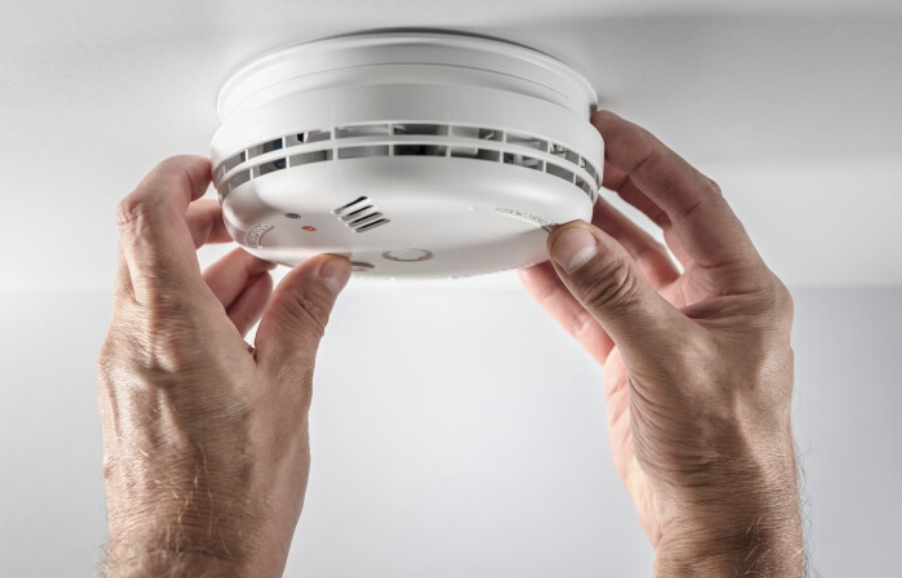
A simple routine is the best protection against forgotten alarms. Once a month, press and hold the test button on each alarm until it sounds, and check that the sound is loud and clear. The test button checks the electronics, the horn and the battery, though in some designs it does not prove that the sensor will react to real smoke. If an alarm is silent, weak or intermittent, replace the battery, and if that does not fix it, replace the alarm.
Choose a regular date, for example the first Sunday of the month, and make it a family task. Warn anyone in the house first, since a loud test is startling, and children can be involved so they recognise the sound. Test the interconnected alarms too, and check that all of them sound when you press one. If the alarms are on the ceiling, you can use a broom handle to press the button, rather than standing on a chair.
Some manufacturers also recommend a gentle clean. Dust and insects inside the sensor chamber can cause false alarms or reduce sensitivity, so every few months run a vacuum cleaner with a soft brush attachment over the cover and vents. Never paint the alarm, and do not use cleaning sprays or solvents near it. When decorating, cover the alarm with a bag as instructed, but remove the cover afterwards, since many people forget and leave the device blind for months.
Aerosol smoke test sprays are sold to check smoke alarms with simulated smoke. They can be useful, but they must be approved for your alarm type, and you should follow the directions exactly. Never test an alarm with a real flame, a lit cigarette or a smouldering object, because that is a fire risk in itself. Carbon monoxide alarms should not be tested by exposing them to exhaust fumes, and the test button is the safe method.
Learn the language of chirps. A single short chirp every 30 to 60 seconds usually signals a low battery, while a pattern of chirps may indicate a fault or the end of the alarm’s life. Check the manual, since the codes differ by brand. A chirp at night is annoying, but removing the battery and leaving the alarm disabled is dangerous, so replace the battery at once or the alarm itself the next morning.
Replacement dates matter more than most people expect
Alarms wear out, even when they seem fine. Sensors drift, electronics age, and dust and humidity take a toll. Fire safety bodies commonly advise replacing smoke alarms about ten years after the date of manufacture, and a sealed ten-year alarm is built around this idea. The date is printed on the back or side of the unit, often as a manufacture date and sometimes a “replace by” date. If you cannot find a date, or the alarm looks yellowed and old, replace it.
Carbon monoxide alarms usually have shorter lives than smoke alarms, because the electrochemical sensor wears out. Typical lives are somewhere between five and ten years depending on the model, and the maker states the exact figure. Many alarms give an end-of-life warning, such as a repeated chirp or a message on the display, and some stop working at that point. Do not ignore an end-of-life signal, and do not assume that a new battery will solve it.
When you replace a device, choose one that meets the current standard in your country and fits your needs. Match the type to the old one only if it suits your home, and take the chance to improve the setup, for instance by adding interconnection or moving an alarm that was badly placed. Write the installation date on the new alarm, and note it in your records. If you are replacing a mains-powered alarm, use a qualified electrician.
Replace the battery in a standard alarm at least once a year, or sooner if it chirps. Some people choose a memorable date, such as the day the clocks change in their country, and others use the start of the year. Use the battery type that the manufacturer specifies, since the wrong chemistry can reduce reliability. Avoid rechargeable batteries in alarms unless the maker explicitly allows them, because their voltage can drop suddenly.
When an alarm sounds, act before you investigate
How you respond to an alarm matters as much as having one. If a smoke alarm sounds, assume it is real until you know it is not. Get everyone out by the planned route, close doors behind you if you can do so safely, stay out, and call the emergency number from outside. Do not go back inside for belongings or pets, and do not try to fight anything but a very small fire when you have a clear way out behind you.
Make an escape plan in advance. Walk through the home with the whole household, identify two ways out of each bedroom where possible, and agree on a meeting point outside such as a gate or a lamp post. Practise at night at least once, so that children and visitors know what the alarm sounds like. Keep doors and exits clear and keys where they can be found, and remember that during a fire, crawling low can help you avoid the worst of the smoke.
If a carbon monoxide alarm sounds, treat it seriously as well. Move everyone to fresh air at once, opening doors and windows on the way out if it is safe, and then call the emergency services or the gas emergency line in your region. Do not go back in until you have been told it is safe, and do not use the suspect appliance until a qualified professional has inspected it. Anyone with symptoms such as headache, dizziness, nausea or confusion should get medical attention, and you should mention that carbon monoxide may be the cause.
Some alarms do go off without a real cause. Cooking, steam, dust, insects and low batteries are common reasons for a smoke alarm to sound, and a hush button or a brief fanning of the air can stop the noise. If an alarm sounds repeatedly without a clear reason, investigate rather than disabling it, and consider whether it is badly placed, dirty or too old. For carbon monoxide, treat every alarm as real until a professional has found otherwise, because a false reassurance is much more dangerous than a false alarm.
After any incident, tell the people involved. If you are a tenant, inform the landlord, and if the problem was an appliance, arrange for a registered professional to check it. Replace any alarm that has sounded in a real fire or gas event if the maker advises that, since the sensor may have been exposed to heavy contamination. Keep a record of what happened, which can help with insurance, repairs and safety checks.
Conclusion
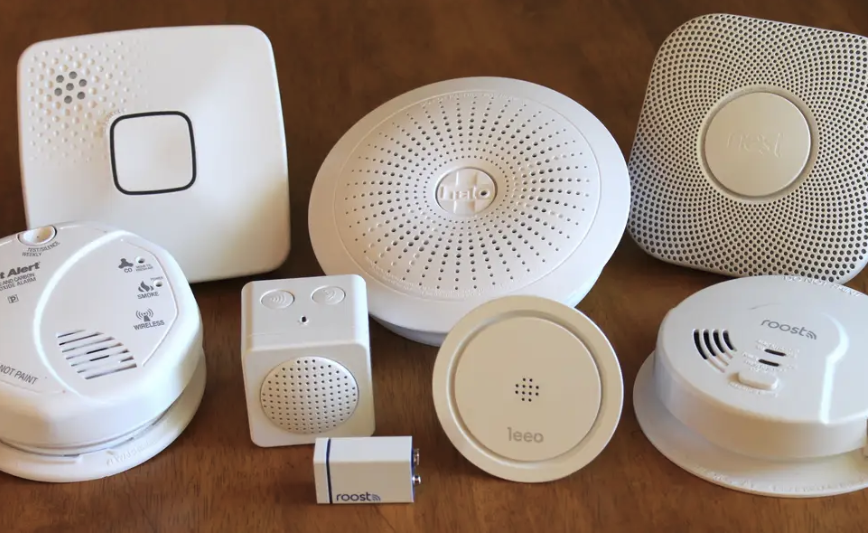
Start with a walk around your home with a notepad. List every level, every bedroom and every fuel-burning appliance, and note whether each space has a working smoke alarm and a working carbon monoxide alarm. Check the date on the back of each unit, and write down any that are over ten years old or show no date at all. This simple survey tells you exactly what you need to buy.
Next, press every test button and replace the batteries in any alarm that is not sealed. Fix or replace anything that fails to sound. Move alarms that are too close to the cooker or the shower, and add missing ones in bedrooms, on landings and near sleeping areas. If your home has a boiler, a fire or a stove, make sure there is a carbon monoxide alarm in the right place and that the appliance has been serviced by a qualified person.
Then set up the routine. Put a monthly test on the calendar, mark the replacement years on a note kept with household papers, and agree on an escape plan with everyone who lives in the home. If you rent, ask your landlord for confirmation of the alarms and report faults in writing. If anyone in the household has hearing loss, mobility problems or other special needs, contact your local fire and rescue service for advice on suitable equipment.
If you ever feel unwell at home in a way that improves when you go outside, or if several people have headaches and nausea together, treat it as a possible carbon monoxide problem and seek help. See a doctor if you have had symptoms, even if they pass. Alarms are inexpensive compared with the harm they prevent, and a few minutes of checking each month keeps them ready.
Read more about Newolt