
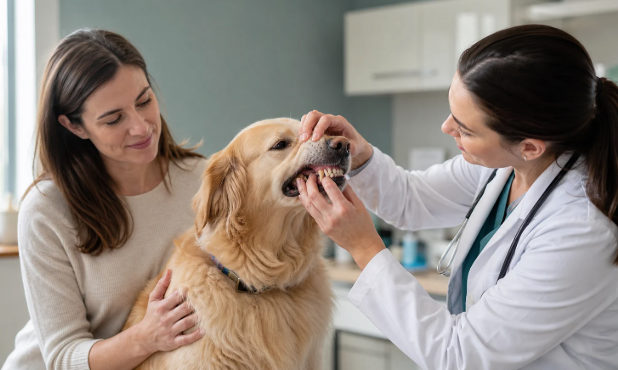
Dental disease is among the most common health issues veterinarians see in dogs and cats, yet it remains one of the most overlooked aspects of routine pet care. Left unaddressed, dental problems can progress from mild tartar buildup to painful infections requiring extensive, costly procedures under anesthesia.
A consistent home dental care routine, paired with regular professional checkups, can notably reduce both the health risks and the financial burden associated with advanced dental disease.
This guide covers how to build that routine and what to expect from professional dental care along the way.
Recognizing Signs of Dental Trouble
Pets are skilled at masking discomfort, which means dental problems often progress further than expected before an owner notices anything wrong. Learning to recognize early warning signs can prompt an earlier vet visit, often catching problems while they remain simpler and less expensive to treat.
Persistent bad breath is frequently the first sign owners notice, though it is often dismissed as a normal pet trait rather than a potential symptom of bacterial buildup along the gumline. Other signs include visible tartar buildup, which often appears as a yellow or brown crust along the base of the teeth, and red or swollen gums that may bleed slightly during eating or chewing.
Behavioral changes also deserve attention, including these common indicators:
- Reduced interest in chew toys: A pet that previously enjoyed chewing but suddenly avoids it may be experiencing tooth or gum pain, especially if the change happens suddenly rather than gradually.
- Favoring one side while eating: Chewing primarily on one side of the mouth can indicate discomfort on the opposite side, a pattern that can be easy to miss without watching closely during mealtime.
- Dropping food while eating: Difficulty managing food in the mouth can signal dental pain, especially if a pet appears hungry but struggles to finish a meal.
- Pawing at the face or mouth: May indicate localized discomfort or an object lodged between teeth, and repeated pawing at one specific side is worth noting for a vet visit.
- Visible loose or missing teeth: A clear sign that dental disease has progressed to a stage requiring prompt veterinary attention rather than a wait-and-see approach.
Catching these signs early and scheduling a veterinary dental exam promptly can prevent a manageable issue from progressing into a more serious, costly condition requiring surgical extraction or advanced treatment.
Keeping a simple written log of these observations can make a real difference during a vet visit, since describing a gradual change over several weeks gives a veterinarian far more to work with than a vague sense that something seems off. Noting the approximate date a symptom first appeared, along with any changes in appetite, water intake, or energy level, turns an informal impression into a useful timeline a veterinarian can use to judge how quickly a condition may be progressing.
Brushing and At-Home Care Routines
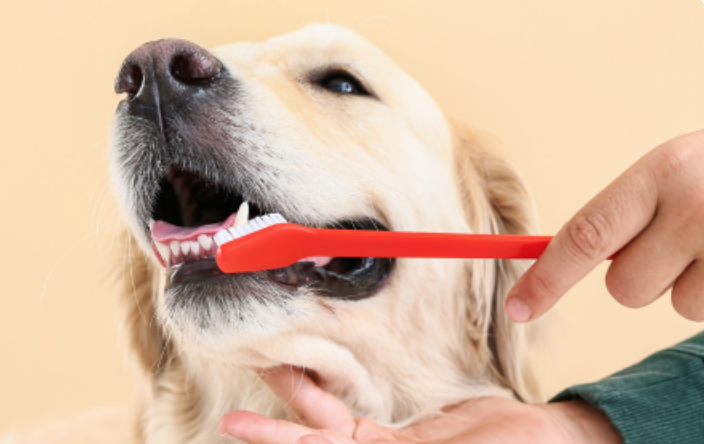
Daily tooth brushing remains the gold standard for preventing dental disease in pets, similar to its role in human dental health, though consistency is often the biggest barrier for pet owners rather than the brushing technique itself. Introducing brushing gradually, starting with simply touching a pet’s mouth and gums with a finger before introducing a brush, tends to produce better long-term cooperation than attempting a full brushing session on day one.
Pet-specific toothpaste is important here, since human toothpaste often contains ingredients like xylitol or fluoride in concentrations that can be harmful if swallowed by a pet, and pets cannot be taught to spit and rinse the way humans do. Pet toothpaste is designed to be safely swallowed and often comes in flavors like poultry or seafood specifically to encourage cooperation.
A practical at-home routine includes a few key elements:
- Daily or near-daily brushing: Consistency matters more than perfection, and even brushing most days of the week provides real benefit over skipping it entirely for weeks at a time.
- Pet-safe toothpaste only: Never substitute human toothpaste, which can contain ingredients unsafe for pets, even in small amounts.
- Gradual introduction: Start with short sessions and gentle handling before progressing to full brushing with an actual brush.
- Positive reinforcement: Pairing brushing sessions with praise or a small treat helps build positive associations that carry over to future sessions.
- Dental-specific chew toys: Many are designed with ridges or textures that mechanically help reduce plaque during normal chewing behavior.
For pets that resist brushing entirely, dental wipes designed for pets offer a reasonable alternative, though they tend to be somewhat less effective than actual brushing at reaching below the gumline.
Timing the brushing session around a pet’s natural temperament can also improve cooperation over the long run. Many owners find that brushing right after a walk or a play session, when a pet is calmer and more receptive to handling, produces far less resistance than attempting it immediately upon waking or during a high-energy moment. Keeping sessions short, especially at the start, and gradually extending the duration as a pet grows more comfortable tends to build a lasting habit rather than a dreaded chore.
Professional Cleanings and What They Involve

Even with excellent home care, most pets benefit from periodic professional dental cleanings performed under anesthesia by a veterinarian. Anesthesia is generally necessary for a thorough cleaning because it allows the veterinary team to clean below the gumline, take dental X-rays, and address any issues found without the stress and risk of attempting these procedures on an awake, moving animal.
A typical professional cleaning involves a full oral examination, scaling to remove tartar both above and below the gumline, polishing to smooth the tooth surface afterward, and dental X-rays to assess the health of tooth roots and bone structure that cannot be seen by visual exam alone. If problems like fractured teeth, substantial decay, or advanced periodontal disease are discovered, extractions or other treatment may be performed during the same anesthetic event to avoid putting the pet under anesthesia twice.
Recommended frequency for professional cleanings varies based on breed, age, and individual dental health, though many veterinarians suggest a general cadence of roughly once a year for pets prone to dental issues, with some pets needing them more or less frequently based on their specific dental history. Discussing a personalized schedule with your veterinarian, based on your pet’s specific needs and past dental exam findings, produces a more accurate plan than relying on a generic timeline alone.
Pre-anesthetic bloodwork, performed shortly before the cleaning, helps a veterinary team confirm organ function and overall health status before administering anesthesia, which is especially relevant for senior pets or those with existing health conditions. Asking what specific screening a particular veterinary clinic performs before anesthesia, and what monitoring equipment is used during the procedure itself, gives pet owners a clearer picture of the safety measures in place for their specific pet.
Diet and Chew Choices That Help
Diet plays a supporting role in dental health, with some pet foods specifically formulated with a kibble texture or size designed to scrape plaque off teeth during chewing, sometimes marketed as dental-specific formulas. These foods are not a substitute for brushing but can serve as a complementary piece of an overall dental care routine.
Chew toys and treats also contribute, though not all products marketed for dental health are equally effective, and some overly hard chews can cause tooth fractures rather than preventing dental disease. Choosing chews with some give or flexibility, rather than rock-hard options like bones, antlers, or very hard nylon products, reduces the risk of fracturing a tooth during enthusiastic chewing.
A few considerations for choosing dental-supportive diet and chew options:
- Dental-specific kibble formulas: Larger kibble pieces with a texture designed to scrape the tooth surface during chewing rather than shattering immediately on contact.
- Veterinary-approved chew products: Look for products carrying endorsement from a recognized veterinary dental organization, which indicates they have been evaluated for both safety and real effectiveness.
- Avoiding overly hard chews: Items like real bones, antlers, and hard nylon chews carry a real risk of tooth fracture even in otherwise healthy teeth.
- Water additives: Some products designed to be added to drinking water claim to reduce plaque, though effectiveness varies and they should not replace brushing as a primary dental care method.
- Dental treats as a supplement: Useful as an additional tool but not a replacement for daily brushing or professional cleanings.
Portion control matters here as much as product choice, since dental treats still carry calories, and feeding them in addition to a full daily meal plan without adjusting portions elsewhere can contribute to unwanted weight gain over time. Checking the calorie content of any dental treat and accounting for it within a pet’s overall daily intake keeps dental support from quietly working against a healthy body weight.
Costs of Neglecting Dental Health
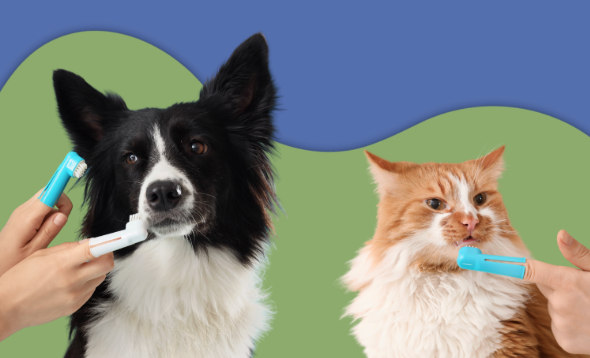
Dental disease that progresses untreated tends to become substantially more expensive to address than preventive care would have been, both because advanced treatment often requires more extensive procedures and because dental infections can spread to other parts of the body, creating additional health complications beyond the mouth itself.
Advanced periodontal disease frequently requires multiple tooth extractions, longer anesthesia time, and sometimes antibiotics or pain management medication extending beyond the procedure itself, all of which add to the overall cost compared to a routine cleaning catching problems earlier. In severe cases, untreated dental infections have been linked to broader health complications affecting organs like the heart and kidneys, representing a health risk that extends well beyond the mouth and potentially adding further unplanned veterinary costs down the line.
Preventive dental care, by contrast, tends to be one of the more cost-effective investments a pet owner can make, since a consistent home routine combined with regular professional checkups usually costs quite a bit less over a pet’s lifetime than treating advanced dental disease after the fact.
Pet insurance policies vary widely in how they treat dental coverage, with some excluding routine dental cleanings entirely while covering dental disease that results from an accident or injury, and others offering optional add-on coverage specifically for dental care. Reviewing a policy’s dental provisions carefully before an issue arises, rather than assuming coverage exists, helps pet owners budget accurately and avoid an unexpected gap in coverage at the exact moment it matters most.
Breeds and Ages With Higher Risk
Certain breeds and age groups face elevated dental disease risk, often due to factors like jaw shape, tooth crowding, or genetic predisposition to weaker enamel or gum tissue. Small and toy breed dogs are especially prone to dental crowding, since their jaws are often proportionally smaller relative to the number and size of their teeth, creating tighter spaces where plaque and tartar accumulate more easily.
Senior pets also face elevated risk, partly due to cumulative wear and tartar buildup over a longer lifetime and partly because age-related changes can make gum tissue more vulnerable to disease. Cats are not exempt from breed and age-related risk either, with certain conditions affecting the base of the teeth becoming more common as cats age.
A few specific risk factors worth discussing with a veterinarian:
- Small and toy dog breeds: Often face dental crowding due to a proportionally smaller jaw size relative to tooth count.
- Brachycephalic breeds: Flat-faced breeds frequently have additional crowding and alignment issues contributing to dental problems over their lifetime.
- Senior pets of any breed: Cumulative wear and age-related gum changes increase risk over time, even without a specific breed predisposition.
- Pets with a history of dental disease: A prior diagnosis often indicates ongoing vulnerability requiring closer monitoring going forward.
- Cats with early signs of gum inflammation: Should be evaluated promptly, since some feline dental conditions progress more quickly than typical tartar buildup.
Genetics play a role beyond breed alone, and even within a single breed, individual pets can show considerable variation in dental resilience. Owners of a breed known for elevated dental risk should treat that status as a reason for closer attention and a possibly more frequent cleaning schedule, rather than a certainty that serious problems will occur, since consistent home care can substantially offset a genetic predisposition toward dental disease.
Final Thoughts
Pet dental care often gets pushed aside amid other aspects of pet ownership, but a consistent brushing routine paired with regular professional checkups is one of the more straightforward ways to prevent painful, expensive dental disease down the road.
Recognizing early warning signs, choosing dental-supportive chews and diet thoughtfully, and discussing a personalized cleaning schedule with a veterinarian together form a practical, manageable approach.
The upfront effort of a daily routine is consistently smaller than the cost, both financial and in terms of a pet’s comfort, of treating advanced dental disease later.
Building brushing into an existing daily ritual, such as right before or after a regular walk, removes much of the friction that causes good intentions to fade after a few weeks, turning dental care into a dependable habit rather than an occasional afterthought.
Read more about Newolt
Frequently Asked Questions
How often should I brush my pet’s teeth?
Daily brushing is the ideal standard, closely mirroring human dental care recommendations, though brushing even three to four times a week still provides real benefit compared to no brushing at all. Consistency built gradually, rather than an occasional thorough session, tends to produce the best long-term dental outcomes for pets of any age or breed.
Is anesthesia safe for a professional pet dental cleaning?
Modern veterinary anesthesia protocols include pre-procedure bloodwork and continuous monitoring during the procedure, making it a generally safe option for most healthy pets, including many senior pets after appropriate screening. Discussing any specific health concerns with your veterinarian beforehand allows them to tailor the anesthesia plan to your pet’s individual risk profile, which is especially valuable for pets with a known heart or respiratory condition.
Can dental treats replace brushing entirely?
Dental treats and specially designed chews can provide some mechanical plaque reduction, but they are generally not considered a full replacement for daily brushing, which reaches areas and angles that chewing alone cannot address. Using treats as a supplement alongside regular brushing produces better results than relying on treats exclusively, since the mechanical action of brushing reaches surfaces that chewing alone simply cannot access.
What are the warning signs that my pet needs an urgent dental visit?
Signs like visible loose teeth, substantial facial swelling, refusal to eat, or visible pus along the gumline warrant a prompt veterinary visit rather than waiting for a routine checkup. These symptoms often indicate an active infection or advanced disease that can worsen quickly without treatment, so same-day or urgent care appointments are generally worth seeking out rather than waiting for the next scheduled routine visit.
Do small dogs really need more dental care than large dogs?
Many small and toy breeds face a higher baseline risk of dental disease due to proportionally crowded teeth, which can accelerate plaque and tartar buildup compared to larger breeds with more space between teeth. This does not mean large breed dogs are immune to dental issues, but it does mean small breed owners often benefit from a more vigilant home care routine and possibly a tighter professional cleaning schedule discussed directly with their veterinarian.
How much does a professional pet dental cleaning typically cost?
Costs vary widely based on geographic location, the pet’s size, and whether additional procedures like extractions are needed during the same visit, making it difficult to state a single reliable figure. Requesting a cost estimate directly from your veterinarian, including a breakdown of anesthesia, cleaning, and potential additional treatment, gives the clearest picture for your specific situation, and asking whether the estimate includes a contingency range for unexpected findings avoids surprise charges after the fact.