
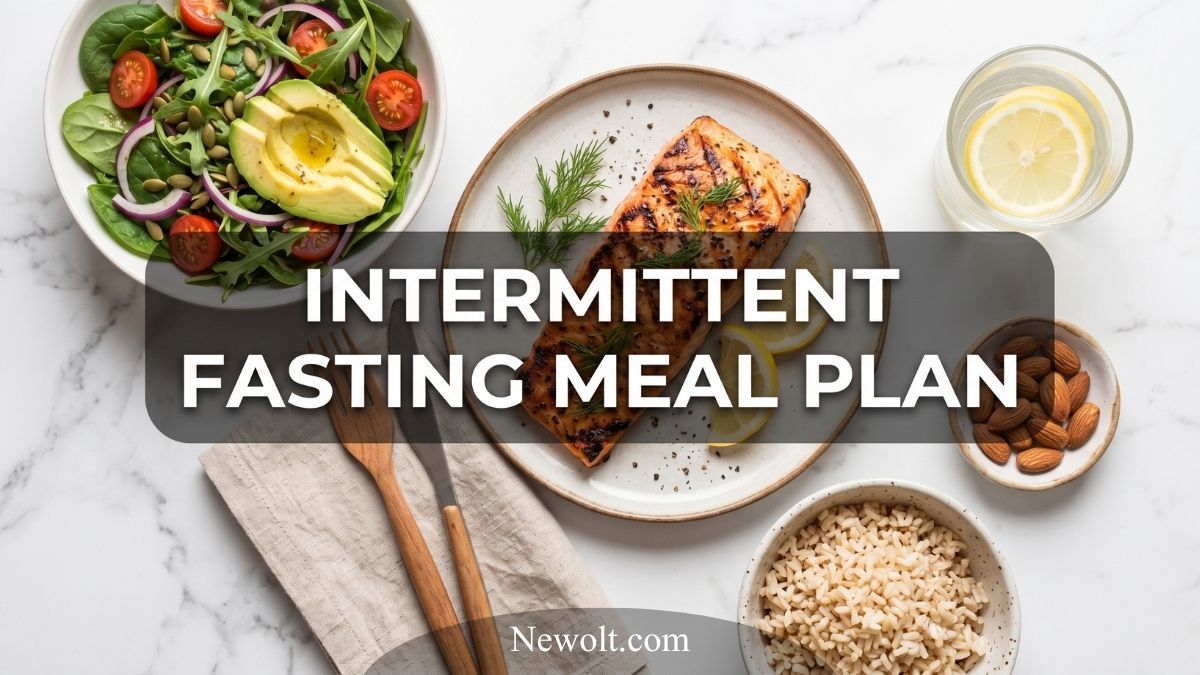
So you have heard about intermittent fasting and you are thinking — okay, but what do I actually eat? Good question. Because let’s be honest, nobody wants to sit around hungry like a sad raccoon waiting for their eating window to open.
Everything is broken down for you in this tutorial. Simple, fun, and actually useful. Whether you are a total beginner or just looking for a better meal plan, you are in the right place.
Quick Summary: Intermittent fasting is about when you eat, not just what you eat. Pair smart meal timing with whole foods, and you will see real results.
What Is Intermittent Fasting? (And Why Everyone Is Talking About It)
Intermittent fasting is an eating plan where you alternate between fasting periods and eating periods. You are altering when you eat, not what you consume. That is what makes it a dietary pattern, not a strict diet.
During your fasting window, your body burns through stored sugar and then switches to burning stored fat. Scientists call this metabolic switching. That is exactly why intermittent fasting helps with weight loss and metabolic health.
Beyond weight, your body also goes through cellular repair and a process called autophagy — basically your body’s natural cleanup mode. This is linked to better longevity, stronger brain health, and lower inflammation. Pretty cool for just skipping breakfast.
Pick Your Method First — Before You Even Think About Food
Before you plan a single meal, you need to pick your IF diet style. Think of it like choosing a Netflix plan — different options, same entertainment goal.
| Method | How It Works | Best For |
|---|---|---|
| 16/8 method (16:8 fasting) | Fast 16 hours, eat in an 8-hour window | Beginners, daily routine |
| 5:2 method (5:2 fasting) | Eat normally 5 days, restrict to 500–600 cal on 2 days | Flexible schedules |
| 14:10 fasting | Fast 14 hours, eat in a 10-hour window | Total beginners |
| Eat-stop-eat plan | 24-hour fast, once or twice a week | Experienced fasters |
| Alternate day fasting | Alternate between fasting and normal eating days | Advanced users |
For most people starting out, the 16/8 method or 5:2 fasting works best. They are easy to stick to and fit into normal daily life. Start with a simple beginner meal plan and build from there.
What to Eat During Your Eating Window — The Real Secret
Here is where people go wrong. They have a free-for-all eating schedule. Pizza, chips, three desserts. Big mistake. Your IF diet only works when you combine time-restricted eating with actually good food choices.
The goal is a calorie deficit — meaning you eat less than you burn. However, you still need to eat wisely. Focus on nutrient-dense, whole foods that fill you up and keep your blood sugar levels steady.
Lean Protein — Your Best Friend
Lean protein is essential. Think chicken, fish, eggs, Greek yogurt, beans, and lentils. It keeps you full, supports metabolic health, and helps with weight management. A high-protein approach also fires up your metabolism and helps your body with cellular repair.
Healthy Fats — Not the Enemy
Healthy fats are not something to fear. Avocado, olive oil, nuts, and seeds slow down digestion and keep your hunger cues quiet so you are not staring at the clock like a hungry raccoon — again.
Whole Grains for Steady Energy
Whole grains like oats, brown rice, farro, and quinoa give you slow-burning energy. They are full of fiber, which keeps your fullness cues strong and helps with digestion. Skip the refined breads and sugary cereals — they spike your blood sugar and crash it back down fast.
Fruits and Vegetables — Load Up
Fill your plate with fruits and vegetables. Colorful, crunchy, and fresh. They are packed with vitamins and support heart health, reduce inflammation, and boost brain health. Not bad for a bowl of spinach and some berries.
Quick Rule: Every meal during your eating window should include lean protein + healthy fats + whole grains or vegetables. That combination = balanced meals that actually satisfy.
What to Eat During Your Fasting Window
During your fasting window, hydration is everything. You can still drink even while you are unable to eat. These are allowed:
- Water (plain or with electrolytes)
- Black coffee — no sugar, no milk
- Herbal tea — unsweetened
- Broth — plain, low sodium
Skip the fancy sugary drinks, alcohol, and creamy coffee drinks. They break your fast and spike your insulin sensitivity. Stay hydrated and your energy levels will stay surprisingly stable during fasting periods.
Watch Your Numbers Without Losing Your Mind
Nobody wants to count every calorie forever. But a little caloric intake awareness goes a long way. Here is what to focus on:
- Calorie restriction on fasting days — aim for 500–600 calories max on 5:2 fasting days. Make every calorie count.
- Calorie deficit — eat a little less than you burn over the week. Simple math, real results.
- Calorie counting — you do not need to be obsessive, but knowing rough numbers helps avoid overeating.
- Low-carb approach — cutting refined carbs helps manage blood sugar levels and supports faster weight loss.
- Portion control — not starvation, just being intentional about how much you put on the plate.
And please — practice mindful eating. Sit down. Chew your food. Enjoy it. Do not scroll your phone while inhaling your dinner. Your body registers fullness better when you slow down.

The Health Benefits That Actually Get Exciting
Beyond weight loss, intermittent fasting does some genuinely impressive things to your body.
- Insulin sensitivity improves — your body gets better at managing blood sugar levels.
- Autophagy kicks in — your cells clean out old, damaged parts. Scientists love this. You should too.
- Longevity support — your cells literally age better. More years, better quality.
- Appetite regulation improves — you stop eating out of boredom and start listening to actual hunger cues.
- Energy levels go up — after your body adapts, most people feel sharper and more focused.
- Brain health gets a boost — better focus, clearer thinking, and potential protection against cognitive decline.
- Inflammation drops — linked to lower risk of heart disease, diabetes, and more.
- Heart health improves — lower LDL cholesterol, better blood pressure, reduced cardiovascular risk.
- Metabolic health and hormonal balance improve over time with consistency.
Meal Timing — Get This Right
Meal timing matters more than people think. During your fasting window, your body shifts into fat-burning mode. The longer you stay consistent with your schedule, the better the results.
For the 16/8 method, a common eating window is 12pm to 8pm. Your first meal breaks the fast gently — something light and easy on digestion. Your last meal should be filling enough to carry you through the night without raiding the fridge at 2am. Been there, done that, not great.
On 5:2 method low-calorie days, spread your calories wisely. A small breakfast, a light lunch, and a simple dinner. Keep it nutrient-dense even when eating less.
Sample Intermittent Fasting Meal Plan (Beginner-Friendly)
Here is a simple beginner meal plan for the 16:8 fasting schedule. Eating window: 12pm to 8pm.
12:00 PM — Break Your Fast
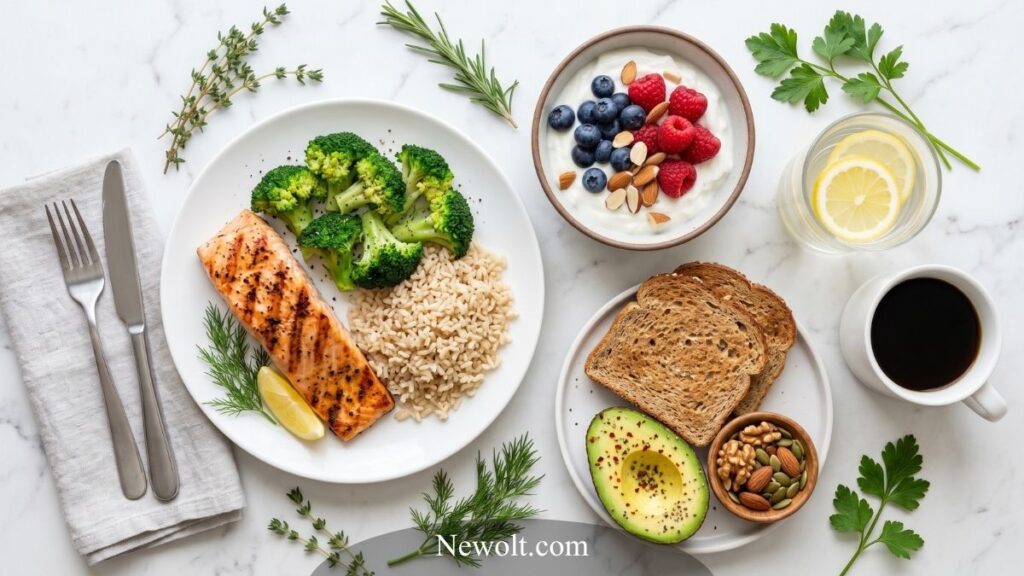
Scrambled eggs with spinach and whole-grain toast. Simple, high-protein, full of fiber. Easy on the stomach after fasting.
3:00 PM — Lunch
Grilled chicken salad with avocado, mixed greens, chickpeas, and olive oil vinaigrette. Nutrient-dense, refreshing, and keeps you going through the afternoon.
5:00 PM — Snack
Greek yogurt with berries and a handful of almonds. Perfect mix of lean protein and healthy fats. Keeps fullness cues strong until dinner.
7:30 PM — Dinner
Baked salmon with steamed broccoli and brown rice. Loaded with omega-3 fatty acids, whole grains, and vegetables. This is your most filling balanced meal of the day.
After 8:00 PM — Fasting Window Opens
Water, herbal tea, or black coffee only. Kitchen is closed. You’ve got this.
For 5:2 fasting days (500–600 calorie limit), try: 2 hard-boiled eggs + grapefruit for breakfast, a veggie and hummus wrap for lunch, and a small tofu stir-fry with green tea for dinner. Still nutrient-dense, still satisfying.
Common Mistakes That Kill Your Progress
- Not eating whole foods — relying on processed junk during eating periods defeats the purpose completely.
- Skipping portion control — overeating healthy food still means no calorie deficit.
- Ignoring hunger cues and fullness cues — your body signals. Learn to listen.
- Breaking fasts with heavy meals — ease in. Your digestive system will thank you.
- Poor hydration — most IF side effects like headaches and fatigue are just dehydration in disguise.
- Being too rigid — life happens. Missing one fasting window will not ruin everything. Consistency over time is what counts.
- Going too extreme on calorie restriction — IF is not starvation. Eating less than 1,200 calories daily long-term can hurt muscle mass and bone health.
Tips for Making Intermittent Fasting Actually Stick
- Start with 14:10 fasting and work your way up to 16:8 fasting.
- Break your fast with gentle, easy-to-digest foods before heavier meals.
- Track your fasting window using a phone app or fitness watch.
- Add electrolytes if fasting for long periods — prevents headaches and muscle cramps.
- Prioritize quality sleep — poor sleep increases hunger cues and makes appetite regulation harder.
- Choose a dietary pattern that fits your lifestyle, not someone else’s schedule.
- Stay consistent with your eating window — same time every day is ideal.
Who Should NOT Try Intermittent Fasting?
Always talk to your doctor before starting. Intermittent fasting is not right for everyone. Avoid it if you are:
- Pregnant or breastfeeding
- Dealing with an eating disorder
- On medication that must be taken with food
- Still growing (teenagers)
- Managing diabetes (consult your doctor first)
If you have medical conditions like kidney stones, acid reflux, or heart issues, get professional guidance before making major diet changes.
Frequently Asked Questions
Which meal is best for intermittent fasting?
The best meal to break your intermittent fasting window is something light and nutrient-dense. Think scrambled eggs with spinach, Greek yogurt with berries, or oatmeal with almond milk. These are easy on digestion, keep your blood sugar levels stable, and give you a solid mix of lean protein, healthy fats, and fiber. Your first meal sets the tone for the whole eating window — so make it count. Avoid jumping straight into heavy, greasy food. Your stomach just woke up from a long fast. Be nice to it.
How to lose 5kg in 1 month with intermittent fasting?
Losing 5kg in one month with intermittent fasting is doable — but it needs a real plan. Start with the 16/8 method and create a daily calorie deficit of around 500–600 calories. Focus your eating periods on whole foods — high-protein meals, low-carb choices, plenty of vegetables and fruits. Avoid processed junk completely during your eating window. Add light exercise like walking or fasted cardio in the morning. Practice portion control and stay consistent with your fasting window every single day. Weight loss this fast requires discipline, but with the right beginner meal plan and proper meal timing, 5kg in a month is absolutely possible.
What is the 3-3-3 rule for weight loss?
The 3-3-3 rule for weight loss is a simple eating structure that works really well alongside intermittent fasting. It means: eat 3 meals a day, leave 3-hour gaps between each meal, and stop eating 3 hours before bed. This naturally supports your fasting window, keeps your metabolism active, and improves appetite regulation. It also encourages mindful eating because you are not snacking all day. When you combine the 3-3-3 rule with a solid IF diet and nutrient-dense, balanced meals, your metabolic health and weight management both improve faster. Think of it as a simple structure inside your eating window that keeps everything clean and organized.
What is the proper intermittent fasting diet plan?
A proper intermittent fasting diet plan starts with choosing the right method — the 16:8 fasting or 5:2 fasting are best for most people. During your eating window, focus on whole foods packed with lean protein, healthy fats, fiber, and whole grains. Keep your caloric intake in a slight calorie deficit to support weight loss. On 5:2 method days, limit calories to 500–600 and keep meals nutrient-dense — eggs, vegetables, Greek yogurt, and broth-based soups work great. Stay hydrated during fasting periods with water, black coffee, or herbal tea. Practice portion control, listen to your hunger cues and fullness cues, and keep your meal timing consistent every day. A good meal plan is not complicated — it is just consistent, real food eaten at the right times.
Can I lose 15 kg in 2 months with intermittent fasting?
Losing 15kg in 2 months is a very aggressive goal — and honestly, it requires more than just intermittent fasting alone. Safe and sustainable weight loss is typically 0.5 to 1kg per week. So 15kg in 2 months means losing almost 2kg per week, which is quite intense. To get close to this, you would need a strict calorie restriction plan, the alternate day fasting or eat-stop-eat plan method, regular exercise, and zero processed food during your eating window. Focus on high-protein, low-carb, balanced meals to protect your lean muscle while losing fat. Support your metabolic health with proper hydration, good sleep, and whole foods. That said, results vary based on your starting weight, metabolism, and consistency. Some people lose faster, some slower. A realistic and healthy target with dedicated intermittent fasting and a proper dietary pattern is 6–10kg in 2 months. Always consult a doctor before pushing for extreme weight management goals.
Final Thoughts — Is This Sustainable?
Yes — if you do it right. The whole point of a good intermittent fasting meal plan is that it should fit your life, not fight it.
Pick a dietary pattern that works for your schedule. Eat balanced meals full of nutrient-dense, real whole foods. Stay consistent with your eating window and fasting window. Practice mindful eating and listen to your hunger cues and fullness cues.
The results — weight loss, better metabolic health, improved brain health, reduced inflammation, and even better longevity — all come with time and consistency. It is not a crash diet. It is a lifestyle shift. And honestly, once your body adapts, it feels pretty great.