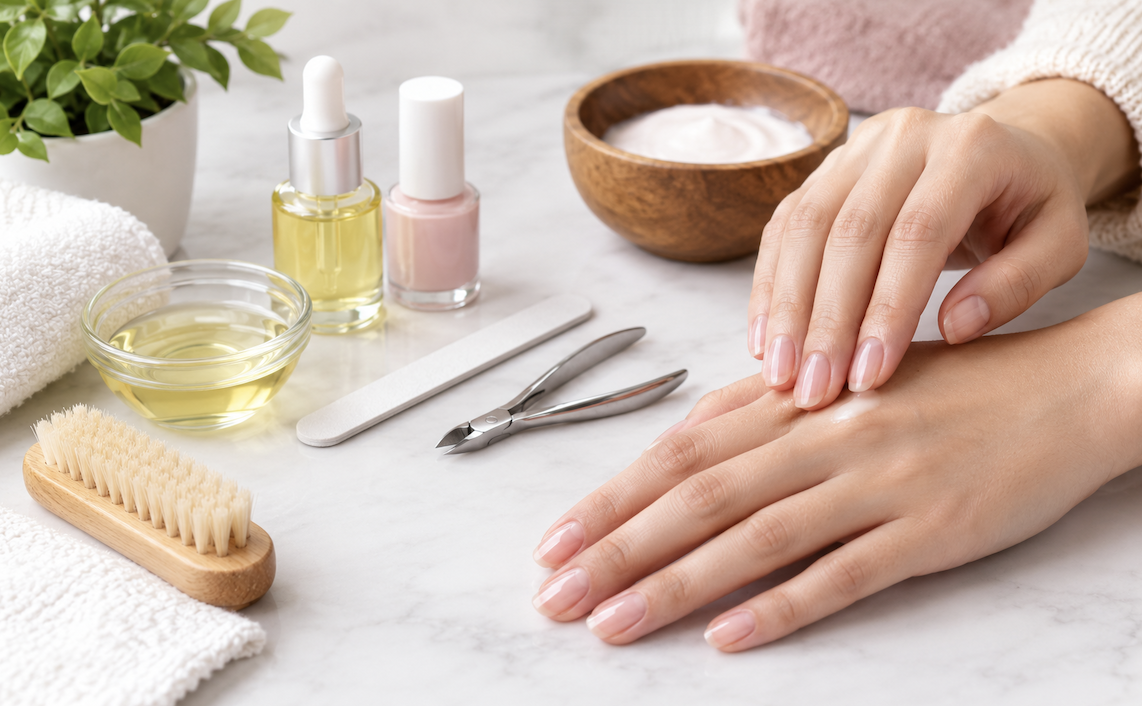
Weak, brittle, or easily breaking nails are a common frustration, and while genetics play a role in natural nail strength, a consistent, gentle care routine can meaningfully improve nail health for most people regardless of their starting point.
How Water Exposure Contributes to Weak Nails
Repeated cycles of nails absorbing water and then drying out, common with frequent hand washing or dishwashing without gloves, cause nails to expand and contract repeatedly, weakening their structure over time in a way that’s easy to overlook as a contributing factor compared to more obvious causes like harsh chemical exposure discussed later in this guide.
Why Nails Become Weak or Brittle
Nail brittleness commonly results from a combination of factors including excessive exposure to water and harsh chemicals, repeated use of harsh nail polish removers, improper filing technique, and in some cases underlying nutritional or health factors discussed later in this guide. Identifying which of these factors applies most to your specific situation helps target the routine changes that will actually make a difference.
How Nail Growth Rate Affects Recovery Timeline
Fingernails typically grow considerably faster than toenails, meaning visible improvement from routine changes generally becomes noticeable within a few months for fingernails specifically, similar to the patience required for the hair growth timelines discussed in an earlier guide, while toenail improvement takes considerably longer given their slower natural growth rate.
Basic Nail Structure
Nails are made of layered keratin, similar to hair, and grow from a root beneath the cuticle, meaning damage to the visible nail plate itself will grow out over time, while damage to the cuticle or nail bed can affect the nail’s ongoing growth and appearance more significantly. this helps set realistic expectations, a damaged nail generally needs to grow out rather than being immediately repairable, similar to how damaged hair, discussed in earlier guides, can’t be fully restored without regrowth or trimming.
Choosing the Right File Grit
A glass or crystal nail file, in addition to being gentler than traditional emery boards, tends to seal the nail edge as it files rather than creating the micro-tears associated with coarser materials, making it a worthwhile investment specifically for anyone dealing with persistent brittleness despite otherwise careful filing technique.
Proper Filing Technique
Filing in one consistent direction, rather than a back-and-forth sawing motion, reduces the micro-tearing that a sawing motion causes at the nail’s layered edge, which over time contributes to peeling and weakness. A fine-grit file, rather than a coarse one, is gentler on the nail edge and produces a cleaner, less damage-prone result, particularly for nails already prone to brittleness.
Choosing the Right Nail Shape
A rounded or softly squared shape generally puts less stress on the nail’s corners compared to a sharply pointed shape, which concentrates pressure at a single point more prone to catching and breaking. For anyone dealing with frequent breakage specifically, choosing a shorter, rounder shape over a longer, more dramatic shape reduces the everyday mechanical stress nails are exposed to throughout normal activity.
Cuticle Care: Push, Don’t Cut
The cuticle serves as a protective seal against bacteria and moisture at the base of the nail, making cutting it, rather than gently pushing it back after softening, a common cause of increased infection risk and irritation. Gently pushing back softened cuticles with a cuticle stick, rather than cutting, maintains this protective function while still achieving a tidy appearance.
Softening Cuticles Properly
Cuticles soften most easily after soaking in warm water for several minutes, or immediately after a shower when they’re naturally softened, making this the ideal time for any cuticle maintenance rather than attempting to push back dry, unsoftened cuticles, which increases the risk of tearing or damaging the surrounding skin.
Moisturizing Nails and Cuticles
Regularly applying a nourishing cuticle oil or a rich hand cream specifically to the nail and surrounding cuticle area, not just the general hand, addresses the dryness that contributes significantly to brittleness and peeling. This is particularly important during winter months, similar to the broader skin dryness concerns discussed in earlier winter skincare guides, when nails, like skin, lose moisture more readily to the surrounding dry air.
White Spots and Common Myths
White spots on nails are commonly attributed to calcium deficiency in popular belief, though they’re actually far more often caused by minor trauma to the nail bed during growth, similar to a bruise, and generally grow out on their own without indicating any nutritional issue, making this a worthwhile myth to address given how persistently it circulates despite lacking strong supporting evidence.
The Evidence on Biotin and Nutrition
Similar to the biotin discussion in the earlier hair growth guide, biotin supplementation shows some supporting evidence specifically for nail strength in certain studies, though results vary and the effect isn’t universal across all individuals. A generally balanced diet with adequate protein, since nails are primarily composed of protein similar to hair, provides a reasonable nutritional foundation without necessarily requiring specific supplementation absent an actual deficiency.
Considering Nail Health During Pregnancy
Hormonal changes during pregnancy can affect nail growth rate and texture for some people, similar to the pregnancy-related hair changes discussed in an earlier guide, and this is generally a temporary, normal variation rather than a cause for concern, though any significant or unusual changes are still worth mentioning to a healthcare provider during regular prenatal care.
Considering Nail Health Alongside Overall Skin and Hair Care
Nail, hair, and skin health often improve together in response to the same underlying factors, adequate hydration, balanced nutrition, and reduced harsh chemical exposure, discussed across these respective earlier guides, making it reasonable to think of nail care as one part of an integrated overall approach rather than a fully separate, isolated concern.
Gel and Acrylic Nail Damage
Gel and acrylic nail treatments, while providing durable, long-lasting results, can weaken natural nails over time, particularly through the removal process, which sometimes involves filing away layers of the natural nail along with the artificial product. Taking periodic breaks between gel or acrylic applications allows natural nails time to recover and rebuild strength that continuous, back-to-back applications don’t allow.
Removing Gel and Acrylic Nails Properly
Having gel or acrylic nails professionally removed, rather than attempting to peel or pick them off at home, significantly reduces the risk of taking layers of natural nail off along with the artificial product, which is one of the most damaging things that can happen to nail health from artificial nail use, entirely preventable through proper removal technique.
Considering Strengthening Treatments
Nail strengthening polishes and treatments, often containing ingredients like keratin or calcium, can provide a temporary protective layer that reduces breakage while underlying nail health improves through the broader routine changes discussed throughout this guide, though these products work best as a complement to good overall nail care rather than a standalone solution for significantly damaged nails.
Choosing Gloves for Different Household Tasks
Rubber gloves for dishwashing and general cleaning protect against the combined water and chemical exposure discussed throughout this guide, while cotton-lined gloves for gardening or other more abrasive tasks protect against a different kind of mechanical stress and dirt exposure, making it worth keeping more than one type on hand for different common household activities.
Avoiding Harsh Chemical Exposure
Wearing rubber gloves while washing dishes or using cleaning products, and choosing an acetone-free nail polish remover for regular use, reserving stronger acetone-based removers for less frequent, more stubborn polish removal needs, reduces the cumulative chemical exposure that contributes significantly to nail dryness and brittleness over time.
Considering Seasonal Nail Care Adjustments
Similar to the seasonal skincare adjustments discussed in earlier winter skincare and climate moisturizer guides, nails and cuticles often need more frequent moisturizing during colder, drier months, making it worth increasing cuticle oil application frequency seasonally rather than maintaining an identical routine intensity year-round regardless of environmental conditions.
Preventing Nail Breakage in Daily Activities
Using the pads of fingers rather than nail tips to open cans, scrape surfaces, or perform other tasks that put direct stress on the nail edge prevents a significant share of everyday accidental breakage, which is often more about small daily habits than any single dramatic incident.
Building a Simple At-Home Manicure Routine
A basic routine combining gentle one-direction filing, cuticle oil application, and a strengthening base coat before any color polish, performed consistently every week or two, addresses most of the factors discussed throughout this guide without requiring an elaborate, time-consuming process or professional salon visits for basic maintenance.
Choosing Nail Polish Formulas Thoughtfully
Some nail polish formulas specifically avoid certain harsh chemicals commonly associated with increased brittleness with frequent use, and choosing these gentler formulas, particularly for anyone who polishes nails frequently, reduces one more contributing factor to ongoing nail weakness beyond the filing, cuticle, and moisturizing habits already discussed.
Considering the Role of Age in Nail Changes
Similar to the age-related changes discussed for hair and skin in earlier guides, nail growth rate and texture can naturally shift somewhat with age, and ridging in particular becomes more common over time without necessarily indicating any health problem, worth keeping in mind before assuming every texture change reflects a care routine issue rather than a normal, gradual aging pattern.
When Nail Changes Signal an Underlying Health Issue
While most brittleness responds to the care routine changes discussed throughout this guide, significant changes in nail color, unusual ridging, separation of the nail from the nail bed, or persistent brittleness despite consistent good care can occasionally indicate an underlying health condition worth discussing with a doctor, rather than continuing to address it purely as a cosmetic nail care issue.
Building Patience Into Nail Care Expectations
Since visible nail improvement takes months to become apparent, given natural growth rates discussed earlier, resisting the urge to switch approaches every few weeks in search of faster results, similar to the patience emphasized throughout earlier hair and skin care guides, gives any consistent routine the actual time it needs to show genuine results.
Considering Nail Care for Active Lifestyles
For anyone frequently active in sports, gardening, or other hands-on activities, keeping nails shorter and rounder, following the shape guidance discussed earlier, reduces the frequency of breakage during activity, making this a practical rather than purely aesthetic consideration for anyone whose hands see regular physical activity throughout the week.
Considering Nail Health Tracking Over Time
Taking a simple photo of nails every month, similar to the progress-tracking habit recommended in earlier skin and hair guides, makes gradual improvement or decline easier to objectively notice than relying on daily observation alone, where slow, incremental change is often the hardest kind to perceive without a direct comparison point.
Common Nail Care Mistakes
Cutting cuticles rather than gently pushing them back, discussed earlier, remains one of the most common and easily correctable mistakes affecting both nail health and infection risk. Picking or peeling at chipped polish, rather than properly removing it, is another common habit that takes layers of the natural nail along with the polish, causing exactly the kind of damage a proper removal process avoids.
A Final Word on Consistency Over Intensity
As with the broader theme across hair and skin guides discussed throughout this series, a modest, consistent nail care routine practiced weekly produces better results over time than an occasional, more intensive treatment applied inconsistently, reinforcing that the small, sustainable habits covered throughout this guide matter more than any single dramatic intervention.
Considering How Regular Manicures Fit Into an Overall Budget
For anyone weighing professional manicures against at-home care, a hybrid approach, occasional professional shaping and treatment combined with the consistent at-home maintenance routine discussed throughout this guide, often provides better sustained results than either exclusively professional or exclusively at-home care alone, similar to the hybrid approach recommended for eyebrow maintenance in an earlier guide.
Considering Nail Bed Length vs Free Edge Length
Distinguishing between the nail bed, the visible pink area attached to the finger, and the free edge, the white tip extending beyond the fingertip, helps in that nail bed length is largely fixed by individual anatomy while free edge length is the part actually under a person’s control through growth and maintenance choices, a useful distinction when comparing your own nails to others with a naturally longer nail bed.
Conclusion
Stronger, healthier nails come down to gentle filing technique, treating cuticles as a protective barrier to maintain rather than trim away, consistent moisturizing, and reducing harsh chemical and mechanical stress on nails during everyday activities. Most brittleness responds well to these consistent care habits over a few months, with persistent, unexplained changes worth a doctor’s evaluation rather than continued at-home treatment alone.