
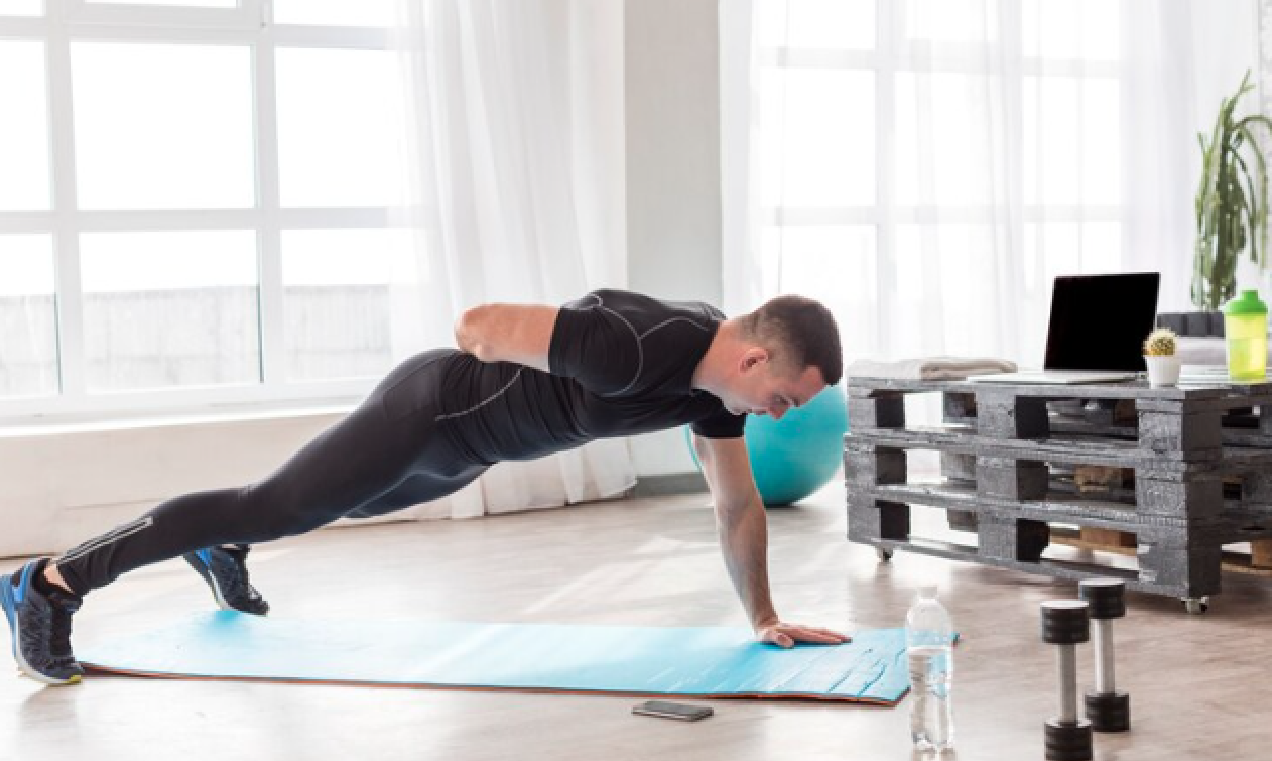
Daily life moves quickly, leaving little room for long exercise sessions. Because of this, modern fitness routines need flexibility. The 15-Minute Body system emphasizes short, intentional workouts over extreme effort. This approach makes progress realistic and easy to maintain. Most importantly, recovery, balance, and sustainability remain at the core of every session. By focusing on small, consistent actions, anyone can achieve noticeable results without overwhelming their schedule.
Understanding Micro-Workouts

Micro-workouts consist of short, structured exercise sessions, typically fifteen minutes or less. Each movement is deliberate, ensuring maximum benefit in minimal time. Precision matters more than the number of repetitions, reducing unnecessary strain. This format is ideal for busy schedules, allowing daily activity without fatigue. Controlled, purposeful exercises provide efficiency and maintain energy for the rest of the day.
The Science Behind Short Workouts

Research consistently shows that focused, high-intent exercise produces significant results. Physical adaptation depends on intensity and proper form, not just duration. Short workouts encourage regular participation, which strengthens habits over time. Consequently, people who follow micro-workouts maintain fitness more consistently than those relying on long, sporadic sessions. The cumulative effect of daily effort results in sustainable improvements in strength, endurance, and overall health.
Why Short Workouts Can Outperform Longer Sessions

Extended gym sessions often feel intimidating or exhausting, leading to skipped workouts. Micro-workouts reduce mental barriers and make exercise approachable. Short sessions require less recovery, allowing for frequent training without burnout. This strategy fosters steady progress, building a lifelong habit of movement. Moreover, by reducing physical and mental fatigue, micro-workouts keep motivation high and stress low.
Key Principles of the 15-Minute Body

Each session follows essential rules to maximize benefit. Exercises target multiple muscle groups simultaneously. Rest periods remain short but effective. Proper technique is prioritized over speed or volume. Sessions conclude before fatigue sets in, preserving energy for daily activities. This approach ensures consistent results while minimizing risk of injury. By adhering to these foundational rules, users maintain a sustainable, balanced training routine.
Full-Body Workouts for Maximum Efficiency

Full-body routines make the most of limited time. Compound exercises, such as squats and push movements, activate multiple muscles simultaneously. This strategy improves strength, coordination, and balance in fewer minutes. Additionally, full-body sessions enhance mobility and posture. By targeting multiple areas at once, participants achieve more noticeable results in less time.
Cardiovascular Benefits Without Overtraining
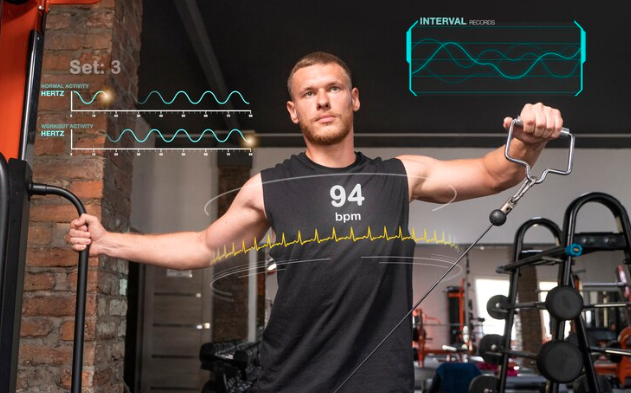
Short workouts also support heart health effectively. Controlled intensity elevates heart rate without excessive strain. Interval-based exercises improve endurance gradually and safely. Overtraining risks like fatigue and burnout are minimized. As a result, cardiovascular fitness grows steadily, complementing strength gains. Micro-workouts provide a balanced approach to fitness that incorporates both strength and heart health.
Building Strength Smartly

Strength develops through gradual, structured overload. Long sessions are unnecessary to see improvement. Incremental resistance increases, tempo variation, and controlled movements stimulate muscle growth. This method avoids extreme soreness while still promoting adaptation. Smart progression allows consistent training without risk of injury. Over time, muscles become stronger, leaner, and more resilient.
Supporting Mobility and Joint Health

Joint mobility is critical for overall fitness and injury prevention. Micro-workouts integrate dynamic warm-ups, controlled movement patterns, and cooldowns. These elements improve joint stability, flexibility, and range of motion. Regular mobility work reduces stiffness and risk of overuse injuries. As joint health improves, exercises feel easier, and performance continues to advance naturally.
Mental and Emotional Advantages

Micro-workouts positively impact mental well-being. Short exercise sessions improve focus and productivity almost immediately. Completing even a brief routine builds confidence and self-discipline. Small, consistent wins increase motivation to continue training. Additionally, exercise releases endorphins, supporting mood regulation and stress reduction. These mental benefits complement physical results, creating a holistic approach to health.
Creating a Weekly Micro-Workout Plan

Consistency is key to maximizing benefits. Start with three 15-minute sessions per week, gradually increasing frequency as comfort improves. Vary your exercises to work different muscles and avoid overuse injuries. Variety ensures workouts remain enjoyable and challenging. With a well-structured plan, users develop a routine that is manageable, sustainable, and effective.
The Critical Role of Recovery

Recovery is essential for long-term fitness. Taking rest days lets muscles recover and build strength. Quality sleep enhances recovery and hormone balance. Hydration supports muscle function and joint health. Light activity, such as walking or stretching, promotes circulation without adding stress. Proper recovery maintains energy, reduces fatigue, and protects motivation for consistent training.
Nutrition That Supports Micro-Workouts

Balanced nutrition amplifies workout benefits. Regular, nutrient-rich meals provide energy for exercise and daily life. Proteins repair and strengthen muscle fibers. Carbohydrates fuel performance, while healthy fats support hormone function. Vitamins and minerals assist recovery and maintain overall wellness. Staying hydrated ensures consistent energy and endurance during short, focused sessions.
Who Can Benefit from Micro-Workouts

Micro-workouts suit a wide range of people. Students and professionals enjoy flexibility around busy schedules. Beginners find them approachable, avoiding intimidation from long sessions. Older adults benefit from manageable intensity without strain. Even athletes use micro-workouts for maintenance, recovery, or supplemental training. Essentially, this system adapts to nearly every lifestyle, making it universally accessible.
Common Mistakes to Avoid

Progress can be limited by simple errors. Rushing movements reduces effectiveness and increases injury risk. Skipping warm-ups or neglecting proper form causes strain. Training without rest leads to fatigue and burnout. Overlooking variety may result in overuse injuries. By maintaining balance and consistency, users maximize results while minimizing setbacks.
Turning Micro-Workouts into a Habit

Habit formation depends on repetition and routine. Scheduling sessions at consistent times helps make training automatic. Linking workouts to daily routines-like morning prep, lunch breaks, or evening wind-downs-reinforces habit. Over time, movement becomes natural, requiring less mental effort to complete. This approach ensures long-term adherence and lifestyle integration.
Why the 15-Minute Body Works for the Long Term

Short, intentional workouts provide lasting results. They improve strength, mobility, endurance, and mental focus. Efficiency and flexibility allow them to fit seamlessly into daily life. Gradual progress and consistent effort create sustainable health improvements. Motivation remains high, and the risk of burnout is low. Ultimately, the 15-Minute Body demonstrates that short, smart sessions can produce real, long-term transformation in both body and mind.