
Apple recently reshaped its artificial intelligence roadmap for Siri. However, the final decision surprised many industry insiders. Instead of choosing Anthropic, Apple selected Google Gemini. This shift reflects strategy, cost control, and long-term platform goals. Consequently, Siri’s future now looks more competitive than ever.
Apple’s Early Vision for a Rebuilt Siri
Initially, Apple planned to rebuild Siri using Anthropic’s Claude model. Accordingly, this approach promised advanced conversational intelligence. Claude already showed strong reasoning and language performance. Moreover, Apple tested deep integrations during internal development phases. Therefore, expectations around an Anthropic-powered Siri grew rapidly.
At that time, Apple avoided Google partnerships for Siri. Instead, executives explored independent AI alliances. This strategy aligned with Apple’s privacy-first positioning. Still, negotiations soon introduced major financial challenges.
Why Apple Walked Away From Anthropic
Eventually, pricing became the turning point for Apple. According to Bloomberg analyst Mark Gurman, costs escalated quickly. Anthropic reportedly demanded several billion dollars annually. Additionally, proposed fees doubled each year for three years. As a result, Apple viewed the terms as unsustainable.
Meanwhile, Apple carefully evaluated long-term return on investment. Therefore, leadership prioritized scalability and predictable spending. Although Claude impressed engineers, economics reshaped the outcome. Consequently, Apple reopened discussions with Google.
Google Gemini Emerges as the Final Choice
Ultimately, Apple selected Google Gemini for Siri’s public upgrade. This decision balanced capability, infrastructure, and financial stability. Google offered a mature AI platform with global scale. Furthermore, Gemini integrates efficiently with Apple’s ecosystem. Thus, the partnership aligned with Apple’s release timeline.
Notably, Apple had resisted Google involvement until months ago. However, competitive pressure accelerated final negotiations. Meanwhile, Gemini continued improving multimodal understanding. As a result, Apple gained confidence in Google’s roadmap.
Anthropic Still Plays a Quiet Internal Role
Despite the public shift, Apple still uses Anthropic internally. According to Gurman, Claude powers multiple internal tools. Additionally, Apple runs customized Claude models on private servers. These systems support product design and engineering workflows. Therefore, Anthropic remains influential behind the scenes.
Importantly, Apple separates internal research from consumer features. This structure protects flexibility across AI partnerships. Moreover, it reduces dependence on a single vendor. Consequently, Apple maintains leverage across future negotiations.
What the New Siri Powered by Gemini Will Offer
Apple plans to launch a smarter Siri this year. The update will arrive as part of iOS 26.4. Beta testing should begin in February. Public release may follow in March or April. Thus, rollout expectations remain high.
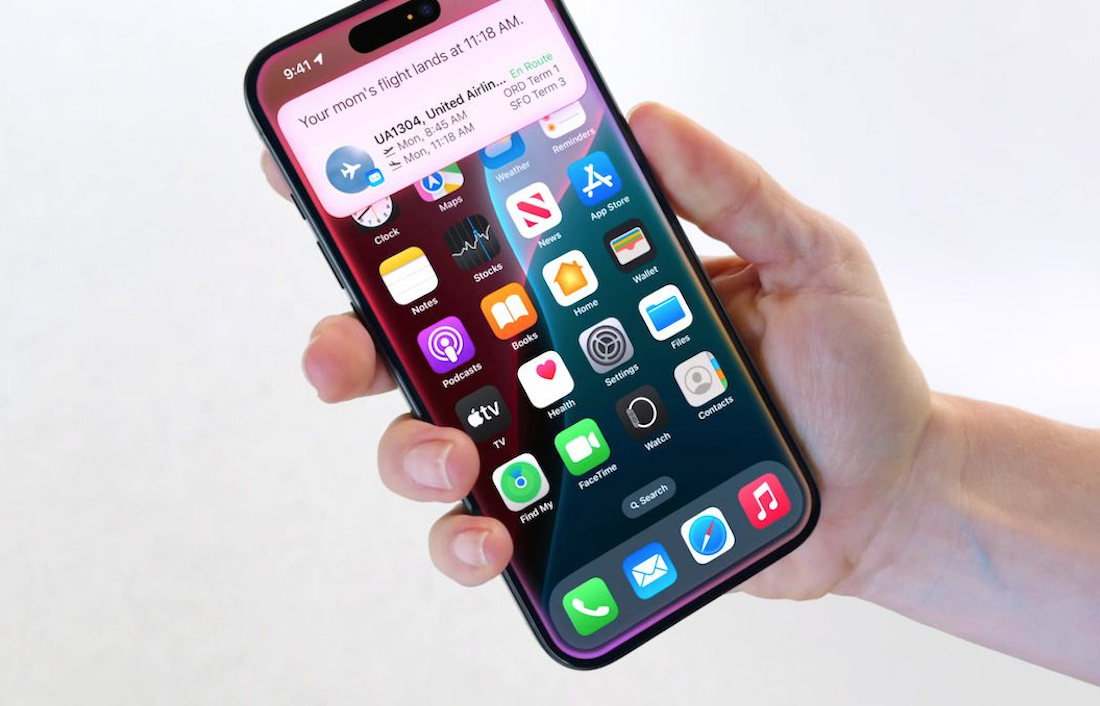
The upgraded Siri emphasizes personalization and contextual awareness. It understands personal data across apps securely. Additionally, Siri recognizes on-screen content in real time. Users gain deeper in-app controls through voice commands. Therefore, daily tasks become faster and more intuitive.
Hardware Requirements and Device Compatibility
Not all devices will support the new Siri. Apple likely restricts features to iPhone 15 Pro or newer. This limitation reflects on-device processing demands. Moreover, advanced AI requires powerful neural engines. Consequently, older models may miss these enhancements.
However, Apple continues optimizing performance efficiency. Future devices should expand compatibility further. Meanwhile, premium models showcase the best experience. Thus, hardware innovation supports software ambition.
Real-World Siri Use Cases Apple Demonstrated
Apple previewed Siri’s new abilities in June 2024. During demonstrations, Siri accessed emails and messages intelligently. For example, users asked about flight details seamlessly. Additionally, Siri referenced lunch reservations from messages. Therefore, contextual intelligence felt natural and practical.
These examples highlighted privacy-focused data handling. Apple processes sensitive data with user consent. Meanwhile, AI responses remain accurate and relevant. As a result, trust stays central to Siri’s evolution.
Strategic Impact on Apple’s AI Ecosystem
This decision reshapes Apple’s broader AI strategy. By choosing Gemini, Apple accelerates feature deployment. Furthermore, competition pushes Siri closer to rivals. Google benefits from increased Gemini adoption. Thus, both companies strengthen their market positions.
At the same time, Apple avoids exclusive dependence. Internal Claude usage ensures experimentation freedom. Moreover, Apple can pivot if market dynamics change. Consequently, flexibility defines Apple’s long-term AI vision.
Final Outlook on Siri’s Transformation
Apple’s near deal with Anthropic reveals complex negotiations. Ultimately, financial realism guided the final choice. Google Gemini now powers Siri’s next chapter. Meanwhile, Anthropic continues supporting internal innovation. Therefore, Apple balances ambition, control, and efficiency.
Siri’s upcoming upgrade signals a major evolution. Users should expect smarter, more personal interactions. As AI competition intensifies, Apple remains firmly positioned. The next Siri era begins soon.