

Gone are the days when a camera’s worth was measured in megapixels alone. In 2026, we are witnessing a quiet revolution-one defined not by bigger numbers, but by smarter tools. The modern camera is evolving from a capture device into a creative partner, seamlessly integrated into the digital workflow. After hands-on time with the latest prototypes and conversations with engineers and professional creatives, the future has come into focus. Here are the five most impactful trends redefining photography and videography this year.
The Invisible Assistant: AI That Understands Context
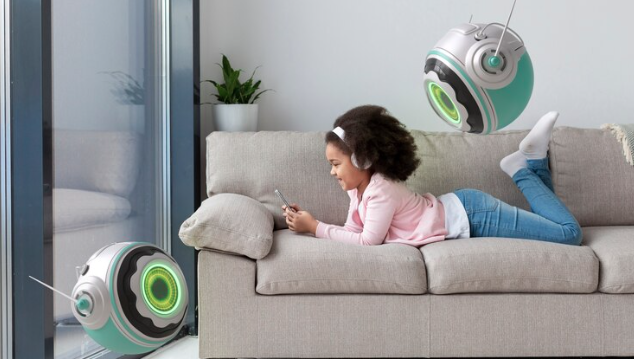
Artificial intelligence has graduated from a marketing buzzword to the most crucial component in your camera bag. We’ve moved past simple subject recognition; 2026’s AI comprehends the narrative of a scene. Imagine pointing your camera at a bustling city street at dusk. It doesn’t just see low light-it recognizes the “urban twilight” scenario, automatically balancing for artificial streetlights, preserving shadow detail in alleys, and optimizing noise reduction for a cleaner shot. The magic continues after the shutter clicks. On-board processors can now analyze your composition and suggest intelligent crops or instantly apply complex stylistic treatments by reprocessing the RAW file itself. The photographer’s role is elevated from technician to creative director, with a capable AI co-pilot handling the execution.
Always Connected: The Cloud First Camera Workflow
The SD card’s reign is ending. Seamless, automatic cloud integration is now a baseline expectation, transforming the camera from an isolated tool into the first node in a content network. Shoot a series of portraits, and low-res previews instantly populate a shared gallery on your client’s phone for real-time feedback. Once you’re within Wi-Fi range, full-resolution RAW files upload directly to your editing platform of choice. This “capture-to-cloud” pipeline enables powerful new collaborative models for studios and agencies and slashes the lag between shooting and delivery. While concerns over data security and connectivity in remote areas persist, the efficiency gains for working professionals make this an irreversible shift.
Sensor Revolution: Speed Over Size
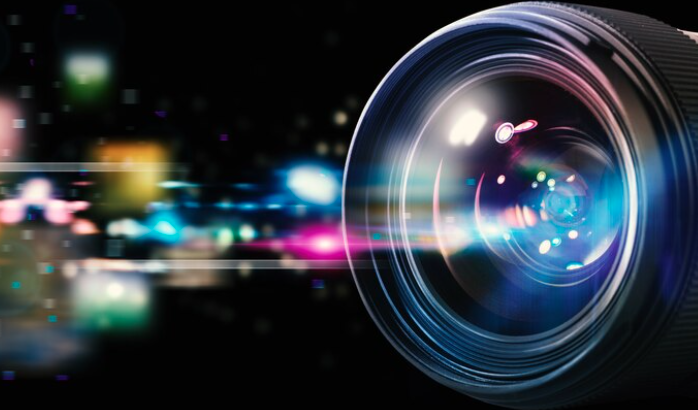
The sensor wars have taken a dramatic turn. While resolution plateaus, the quest for unprecedented speed and light sensitivity is driving physics-defying innovation. The headline is the arrival of production-ready curved sensors. By mimicking the human eye’s retina, these sensors allow for smaller, lighter, and brighter lenses with fewer distortions. Combined with mature stacked sensor technology, the performance leap is extraordinary: global shutter-which completely eliminates rolling shutter distortion-is becoming common, and low-light performance reaches levels that were pure fantasy just a few years ago. This trend answers the real need: flawless performance in any condition, not just on a spec sheet.
Your Camera, Your Way: The Rise of Modularity
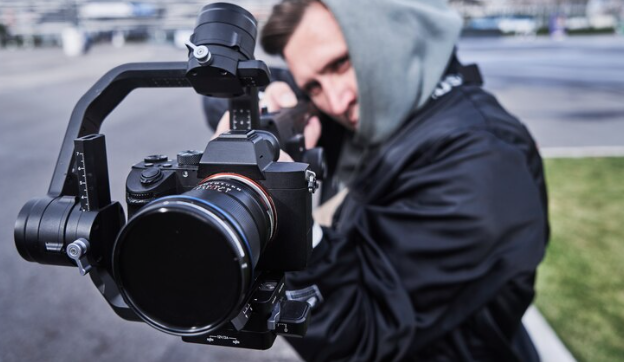
The era of the monolithic camera body is giving way to a more flexible, sustainable future: the modular creator platform. Think of it as a core computing unit (sensor and processor) to which you attach purpose-built components. Heading out for a day of documentary photography? Attach a compact grip and a light viewfinder. Gearing up for a multi-camera live production? Mount the core unit into a robust cage with integrated cooling, SSD recorders, and professional audio inputs. This approach reduces electronic waste, extends the lifespan of your core investment, and, most importantly, empowers creators to build a tool perfectly tailored to the task at hand.
The Intuitive Machine: Interfaces That Adapt to You
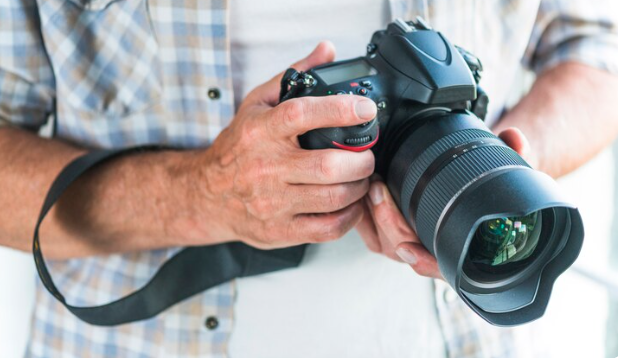
Camera menus are becoming obsolete. The 2026 interface is context-aware, adaptive, and strikingly intuitive. Touch-sensitive controls and customizable OLED panels on the camera body and lens barrel provide at-a-glance settings. But the real intelligence is in software: switch to video mode, and your control dials instantly reconfigure for aperture, shutter angle, and audio levels. Switch to wildlife photography, and they lock onto burst shooting and subject-tracking sensitivity. Some systems now employ gaze detection, allowing you to select a focus point just by looking at it through the viewfinder. The machine conforms to your workflow, getting the technology out of the way of your vision.
Conclusion
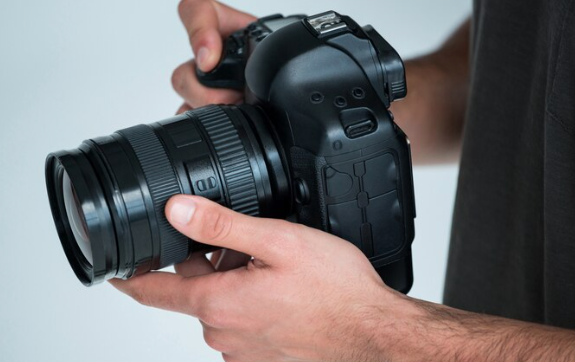
The defining characteristic of the 2026 camera is seamlessness. It is an intelligent hub that connects capture to creation, simplifies complexity, and adapts to your creative intent. The journey no longer ends at the shutter button-it begins there. For the visual storyteller, this means less time managing gear and more time perfecting the art of seeing. The future of photography isn’t about capturing more pixels; it’s about capturing more possibility.