
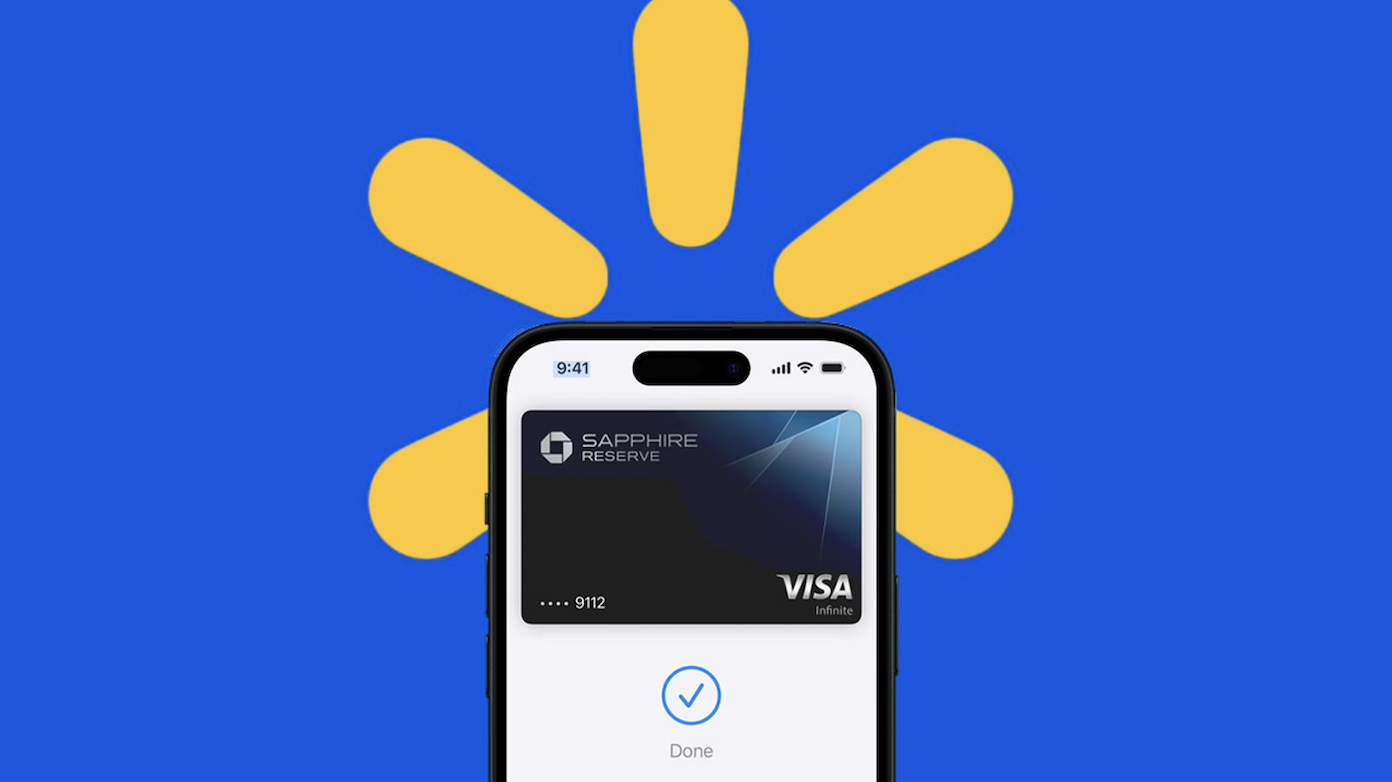
In 2026, Walmart still blocks Apple Pay across U.S. locations, as reported by 9to5Mac. Meanwhile, shoppers expect fast and secure contactless payments. However, the retailer follows a different digital payment strategy. Therefore, millions of customers face slower checkout experiences. This decision affects convenience, privacy, and payment freedom nationwide.
Current Stance on Contactless Payments
The retail giant operates more than 4,500 stores nationwide. Yet, none accept Apple Pay at checkout terminals. Additionally, Google Pay and Samsung Pay remain unsupported. Even more, tap-to-pay credit and debit cards fail. Essentially, NFC functionality stays fully disabled. As a result, modern digital wallets remain unusable in-store.
Why NFC Technology Stays Turned Off
The company intentionally disables NFC hardware. This strategy allows stronger control over transaction data. Moreover, in-house systems gain priority at checkout. Consequently, third-party wallets lose relevance inside stores. From a business standpoint, data ownership matters most.
Walmart Pay Remains the Preferred Option
Instead of Apple Pay, Walmart promotes its own payment system. Customers must download the official mobile app first. Afterward, users manually add debit or credit cards. Then, shoppers scan a QR code during checkout. Although functional, this process feels noticeably slower. In contrast, Apple Pay completes transactions instantly.
Scan & Go Offers Speed With Limits
The retailer also promotes Scan & Go for paid members. This feature allows scanning items while shopping. Later, customers skip traditional self-checkout lines. Certainly, this tool saves time for frequent buyers. Still, Apple Pay remains unavailable within the feature. Therefore, convenience stays limited for many users.
Customer Data Shapes the Strategy
Data collection heavily influences payment decisions. Through its app, Walmart tracks purchase behavior closely. Additionally, it analyzes shopping patterns and preferences. Apple Pay restricts this level of insight. Specifically, Apple hides real card numbers. Thus, valuable consumer analytics become inaccessible. For this reason, Apple Pay conflicts with internal goals.
Privacy Versus Personalization
Apple Pay emphasizes privacy by default. Transactions protect identities and reduce data exposure. Meanwhile, the retailer prioritizes personalized shopping experiences. These priorities often clash directly. Therefore, systems offering deeper insights receive preference. This choice reduces some consumer privacy benefits.
Retail Trends Strongly Favor Apple Pay
Apple Pay launched more than ten years ago. Since then, adoption expanded rapidly nationwide. By 2022, over 90 percent of retailers supported it. Recently, several major holdouts reversed course. For example, Home Depot now accepts Apple Pay. Similarly, Lowe’s and Kroger followed. Even H-E-B embraced contactless payments. Consequently, Walmart now stands nearly alone.
Why This Resistance Draws Attention
Most large retailers adapted to customer demand. However, this company continues resisting popular wallets. This stance frustrates many loyal shoppers. Online complaints appear frequently across forums. Despite consistent feedback, the policy remains unchanged. Therefore, dissatisfaction continues growing among customers.
Apple Pay Support in Canada Raises Questions
Interestingly, Walmart Canada has accepted Apple Pay since 2020. Canadian shoppers enjoy seamless tap-to-pay experiences. Meanwhile, U.S. customers remain excluded. This contrast raises serious strategic questions. Clearly, technical limitations do not exist.
Competitive Pressure Could Drive Change
Retail competition continues intensifying. Consumers increasingly value speed and simplicity. Therefore, payment convenience influences store choice. If trends get ignored, loyalty may decline. Eventually, pressure could force a policy shift. Until then, alternatives remain mandatory.
The Shopper Experience in 2026
Many customers expect universal contactless payments. Instead, extra steps remain required at checkout. This slows lines and reduces satisfaction. Additionally, tourists face added confusion. Younger shoppers especially prefer digital wallets. Thus, key demographics risk disengagement.
Is a Policy Shift Coming Soon?
Currently, no public signs suggest a reversal. Spokespersons continue supporting in-house technologies. Nevertheless, market trends evolve quickly. Customer demand grows stronger each year. Eventually, leadership may reconsider the stance. For now, Apple Pay stays unavailable.
Final Thoughts: Control Still Comes First
The continued refusal reflects strategic priorities. Control and data outweigh convenience and privacy. While alternatives exist, they feel less intuitive. Meanwhile, competitors advance with modern payments. Ultimately, shoppers must adapt or shop elsewhere. In 2026, the decision still remains unchanged.