

Chronic diseases are long lasting health conditions that tend to develop gradually over time. They can have a big influence on your everyday activities and your general sense of happiness and health. Recognizing what causes these illnesses and adopting effective prevention methods are vital steps toward maintaining good health and avoiding serious complications.
What Are Chronic Diseases?
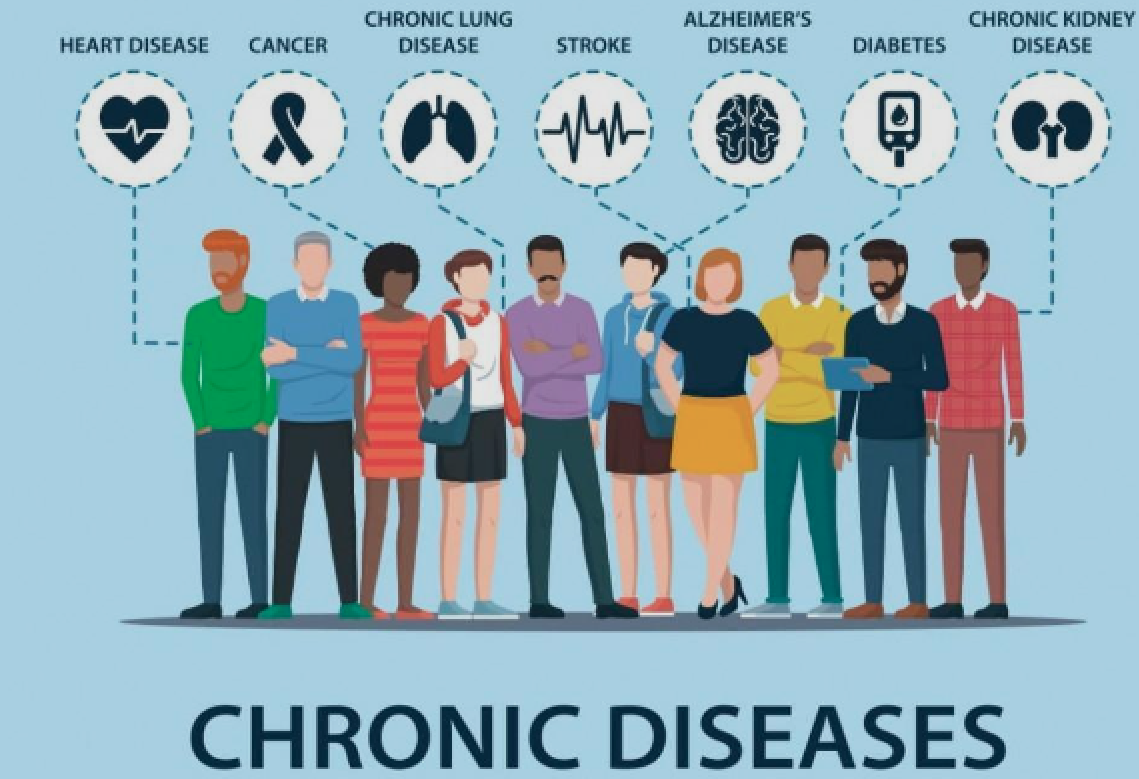
Chronic diseases refer to ongoing health issues that persist for months or years. Some common examples include:
Heart disease
Diabetes
Stroke
Chronic respiratory conditions like COPD
Cancer
Arthritis
Osteoporosis
These illnesses often arise from a mix of genetic predispositions, environmental exposures, and lifestyle choices.
Causes and Risk Factors
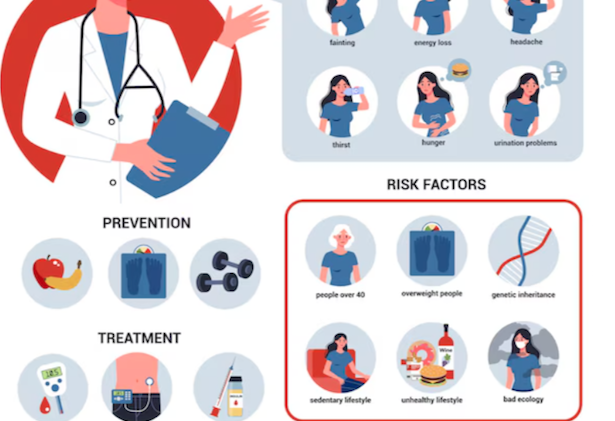
Knowing what increases the likelihood of developing chronic diseases can help you take proactive steps to prevent them:
Unhealthy diet
Consuming too many processed foods, sugars, and saturated fats.
Lack of physical activity
Sedentary lifestyles contribute to obesity and related health problems.
Tobacco use
Smoking is a major risk factor for many chronic illnesses.
Excessive alcohol consumption
Heavy drinking can lead to liver disease, certain cancers, and heart issues.
Obesity
Carrying excess weight puts strain on your heart, joints, and organs.
Genetics
Family history can predispose you to specific conditions.
Chronic stress
Persistent stress can weaken your immune system and affect overall health.
How to Prevent Chronic Diseases

Prevention is the most effective way to reduce the impact of these long term health issues. Consider these key strategies:
1. Eat a Nutritious Diet
Prioritize fruits, vegetables, whole grains, lean proteins, and healthy fats. Limit intake of processed foods, sugary snacks, and saturated fats. Stay well hydrated and control portion sizes to maintain a healthy weight.
2. Stay Physically Active
Aim for at least 150 minutes of moderate exercise each week. Activities like walking, cycling, swimming, or dancing are excellent options. Add strength training exercises twice a week to enhance muscle health.
3. Maintain a Healthy Weight
Work toward achieving and sustaining a weight that suits your height and body type. Use a combination of balanced eating and regular activity to manage your weight effectively.
4. Avoid Tobacco and Limit Alcohol
Quit smoking and steer clear of secondhand smoke exposure. Limit alcohol intake to moderate levels or choose abstinence for better health.
5. Manage Stress Effectively
Practice relaxation techniques such as mindfulness, meditation, or deep breathing exercises. Ensure you get enough quality sleep and strive for a healthy work life balance.
6. Schedule Routine Health Screenings
Visit your healthcare provider regularly for check ups. Get screened for blood pressure, cholesterol, blood sugar, and cancer markers as recommended for your age and risk factors.
7. Stay Informed and Support Others
Educate yourself about risk factors and preventive steps.Encourage family, friends, and your community to adopt healthier lifestyle choices.
Final Thoughts

Understanding the nature of chronic diseases and actively practicing prevention strategies can greatly enhance your quality of life. Making mindful decisions such as eating healthily, staying active, avoiding harmful habits, and managing stress can significantly lower your risk of developing long term health issues and help you lead a healthier, happier life.