
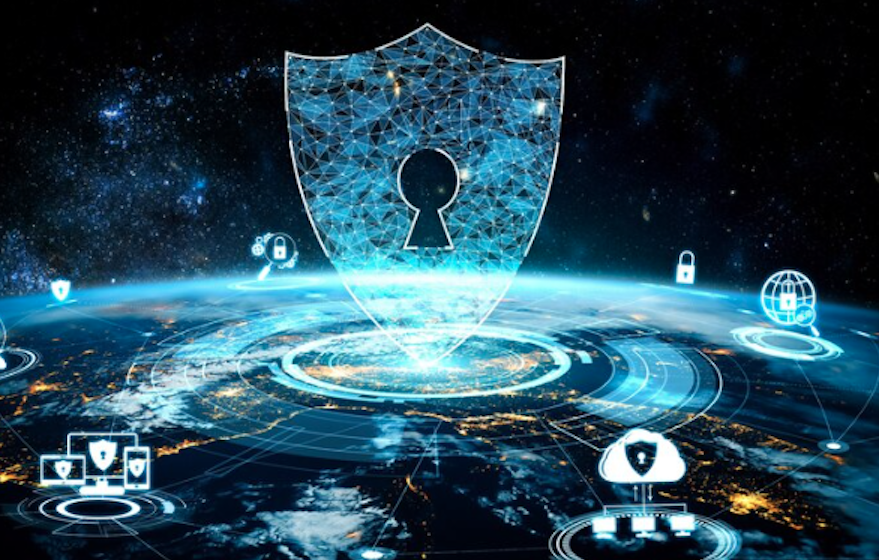
The digital world we live in is changing at an incredibly rapid pace. We’re more connected than ever before, whether it’s through smartphones, smart homes, wearable devices, or global networks. This level of connectivity brings unprecedented convenience and new opportunities, but it also introduces significant security risks. That’s why cybersecurity has become an essential part of protecting our digital lives. It acts as a vital shield against cyber threats, safeguarding everything from personal data to national infrastructure.
Why Is Cybersecurity More Important Than Ever?
1. Safeguarding Personal and Business Data
Every day, we share an enormous amount of information online bank details, health records, personal photos, and business secrets. Cybersecurity plays a crucial role in preventing data breaches, identity theft, and financial fraud. Strong security measures ensure that our private information stays private and protected from malicious actors.
2. Protecting Critical Infrastructure
Modern society relies heavily on interconnected systems like electricity grids, transportation networks, healthcare facilities, and communication channels. A cyberattack on any of these can cause widespread chaos, economic damage, and even threaten public safety. Efficient cybersecurity defenses are vital to shield these essential systems from cyber threats.
3. Combating Cybercrime
Cybercriminals continuously find new ways to exploit vulnerabilities in connected devices and networks. They use tactics like ransomware, phishing scams, malware, and hacking to steal money, gather intelligence, or cause disruptions. Effective cybersecurity strategies are necessary for early detection, prevention, and rapid response to these malicious activities.
4. Supporting Safe Innovation
The rapid expansion of technologies like the Internet of Things (IoT), artificial intelligence, and cloud computing fuels innovation. However, these advancements can also create new security gaps. Robust cybersecurity frameworks ensure that organizations can adopt new tech safely, encouraging innovation without jeopardizing security.
Main Challenges Facing Cybersecurity Today
Complex Networks: The vast number of connected devices makes it difficult to monitor and secure every possible entry point.
Changing Threats: Cyber attackers are constantly developing new methods to bypass security measures, keeping cybersecurity professionals on their toes.
Lack of Awareness: Many individuals and organizations underestimate the importance of cybersecurity or lack the necessary skills to defend themselves.
Privacy Concerns: Finding the right balance between security and privacy remains a delicate issue for many entities.
The Future of Cybersecurity
As our world becomes more interconnected, the need for advanced cybersecurity solutions will only increase. Investing in cutting edge security tools, raising awareness about best practices, and building resilient systems are key steps toward a safer digital future.
Emerging technologies like AI driven security systems, blockchain, and biometric authentication will significantly strengthen defenses. Additionally, collaboration among governments, industries, and individuals is essential to creating a secure and trustworthy digital environment for everyone.
Final Thoughts
Cybersecurity isn’t just a technical issue, it’s the backbone of our connected world. It protects our data, infrastructure, and digital interactions from cyber threats, helping us operate safely and confidently online. As technology continues to advance and our dependence on digital systems grows, prioritizing cybersecurity becomes more critical than ever. Building a secure digital future requires ongoing vigilance, innovation, and cooperation among all stakeholders.