
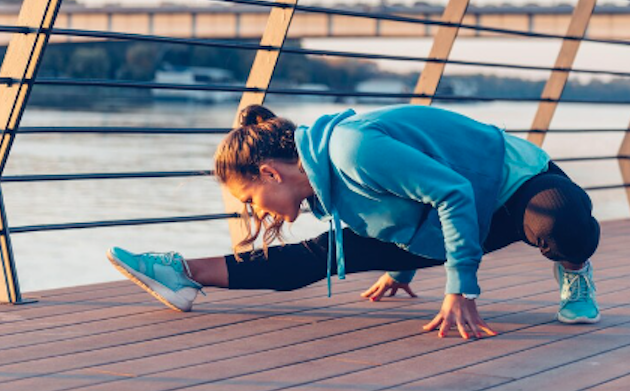
Flexibility plays a crucial role in enhancing movement, preventing injuries, and boosting overall performance in fitness and dance. To effectively add flexibility training into your daily or weekly schedule, follow these practical steps to achieve safe and consistent progress.
1. Prepare with a Proper Warm Up
Why: Warming up helps your muscles stretch more effectively and reduces the risk of injury.
How: Dedicate 5-10 minutes to light cardio activities like brisk walking, jumping jacks, or cycling to boost blood circulation and elevate your body temperature.
2. Use Dynamic Stretching Before Exercise
Why: Dynamic stretches prepare your muscles for activity, improve joint mobility, and reduce stiffness.
Examples:
Leg swings (front and side)
Arm circles
Hip circles
Walking lunges with a twist
When: Prior to your main workout or training session.
3. Perform Static Stretching After Exercising
Why: Post workout stretching helps cool down muscles, enhances flexibility, and minimizes soreness.
How: Hold each stretch gently for 15-30 seconds, repeating 2-3 times.
Focus Areas: Hamstrings, quadriceps, hip flexors, calves, shoulders, and back.
4. Establish a Regular Flexibility Routine
Frequency: Aim for 3-5 sessions weekly for noticeable results.
Duration: Dedicate 10-20 minutes solely to stretching.
Sample Routine: 5 minutes of dynamic stretching, 10 minutes of static stretches for major muscle groups, Take five minutes to practice deep breathing or do some relaxation exercises to help calm your mind and body.
5. Target Key Muscle Groups
Focus on muscles that are heavily involved in your activities or tend to become tight:
Hamstrings and calves (for leg flexibility)
Hip flexors and glutes (for splits and mobility)
Shoulders and chest (for arm movements and posture)
Lower back (for core strength and flexibility)
6. Use Correct Technique and Pay Attention to Your Body
Tips:
Avoid forcing a stretch; progress gradually and gently.
Breathe slowly and steadily to promote muscle relaxation.
Cease the activity immediately if you feel sharp pain or discomfort.
7. Incorporate Specific Flexibility Exercises
Some effective stretches include:
Seated Forward Bend (hamstrings and lower back)
Try the Butterfly Stretch to loosen up your hips and inner thighs.
Lunge with Spinal Twist (hip flexors and spine)
Bridge Pose (back and hips)
Overhead Shoulder Stretch (shoulders and upper back)
8. Monitor Your Progress and Adjust Accordingly
How: Maintain a journal to record your improvements in flexibility and identify areas that need more focus.
Pro Tip: Slowly extend the length or intensity of your stretches over time to avoid overstretching and promote consistent progress.
Final Advice
Consistency is essential, regular practice yields the best results. Mix different stretches to target all major muscle groups and combine flexibility exercises with strength and mobility training for balanced fitness.
Patience and persistence are key stay dedicated, and over time, you’ll enjoy greater freedom of movement, reduced injury risk, and improved overall performance.
Read Also: Effective Strategies for Tracking and Measuring Your Fitness Progress