
Smart contact lenses are redefining the future of wearable technology. They merge vision support with advanced digital functions. Because these lenses rest directly on the eye, data collection becomes seamless. As a result, users interact with technology naturally and comfortably. Therefore, both healthcare and augmented reality sectors continue investing heavily.
Defining Smart Contact Lenses
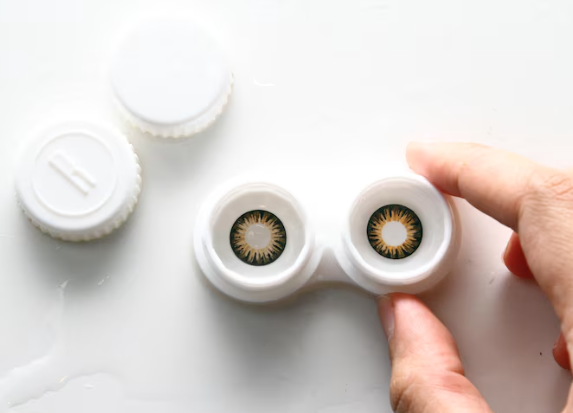
Smart contact lenses are advanced optical devices with integrated electronic components. They contain micro-sensors, wireless communication units, and miniature power systems. Unlike wearable glasses, these lenses remain nearly invisible during use. Consequently, they allow passive data tracking without daily adjustments. Additionally, modern designs prioritize eye health and long-term comfort.
Health Monitoring Capabilities of Smart Lenses
Medical monitoring represents a key benefit of smart contact lenses. For instance, tear fluid analysis helps track glucose levels continuously. This innovation supports individuals managing diabetes more effectively. Similarly, pressure sensors monitor changes inside the eye. Therefore, glaucoma detection becomes faster and more reliable. Meanwhile, ongoing research explores hydration and electrolyte measurement. As a result, early intervention and preventive care improve significantly.
Continuous and Real-Time Medical Insights
Smart lenses collect health data throughout the day. Thus, healthcare professionals receive immediate updates instead of delayed information. Wireless transmission sends readings directly to connected devices. Consequently, treatment plans become more personalized and responsive. Moreover, remote monitoring reduces unnecessary clinical visits.
Augmented Reality Features in Smart Contact Lenses
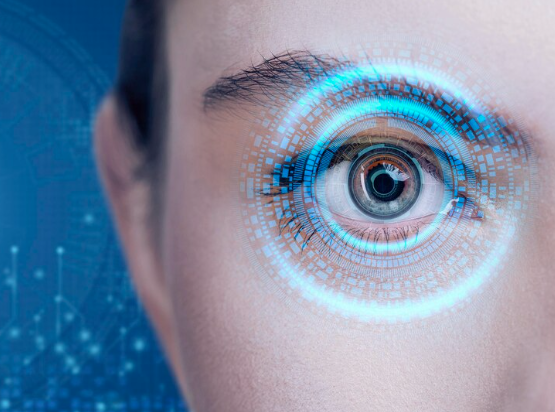
Augmented reality enhances digital interaction through smart lenses. Information appears directly within the user’s natural field of vision. For example, navigation directions display without external screens. Likewise, alerts and messages appear discreetly during daily activities. Therefore, users stay informed without distraction.
Practical Uses of AR-Enabled Contact Lenses
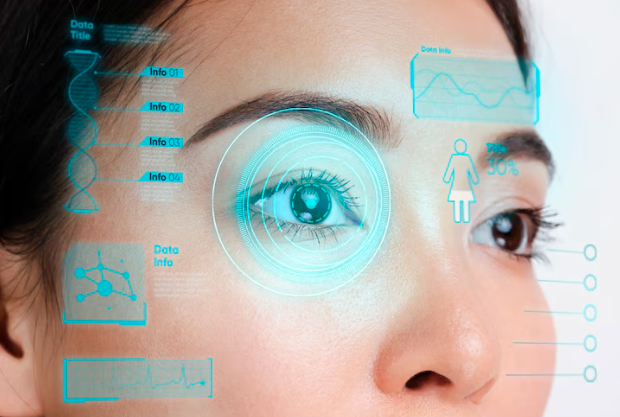
Augmented reality lenses serve various professional fields. In medicine, surgeons receive visual support during complex procedures. In education, learners access real-time visual guidance. Meanwhile, athletes monitor performance metrics instantly. As a result, efficiency and focus improve across multiple applications.
Power Supply and Connectivity Limitations
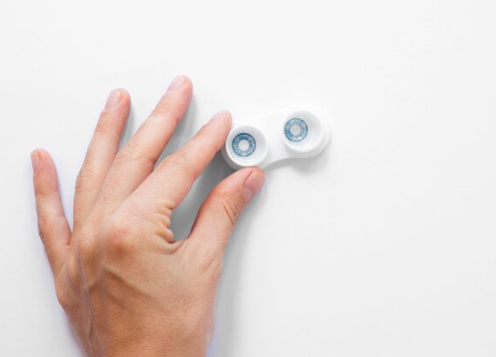
Power management remains a major challenge for smart contact lenses. Due to their size, standard batteries cannot be used. Therefore, developers focus on wireless charging technologies. Additionally, energy-harvesting solutions continue advancing. Meanwhile, low-power wireless connections ensure stable data transfer.
Comfort, Safety, and Advanced Materials
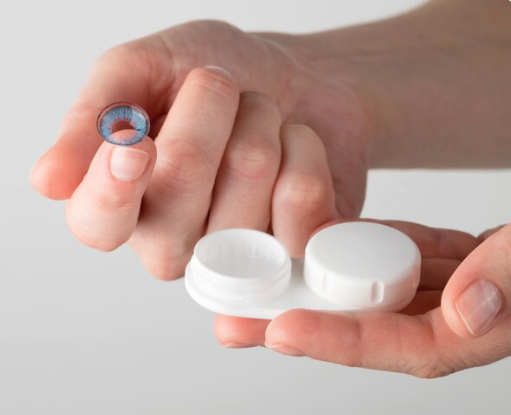
Comfort and safety remain essential in smart lens development. Manufacturers rely on breathable and biocompatible materials. These materials reduce irritation during extended wear periods. Furthermore, rigorous testing ensures medical-grade reliability. As a result, user comfort rivals traditional contact lenses.
Data Privacy and Security Concerns
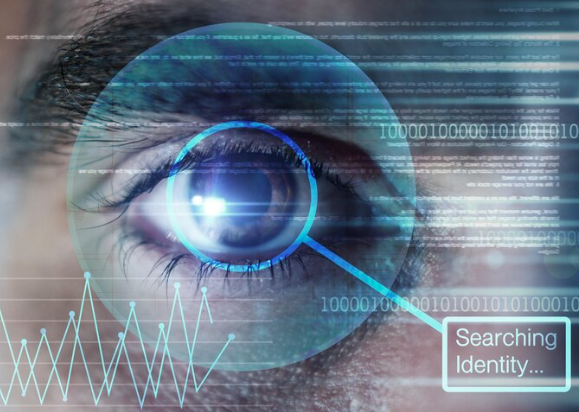
Smart contact lenses handle sensitive personal information. Therefore, strong data security measures are essential. Encrypted communication protects transmitted health data.Additionally, strict privacy standards guide system design. Consequently, user confidence remains critical for widespread adoption.
Future Advancements in Smart Contact Lens Technology
The future of smart contact lenses looks increasingly promising. Technological improvements will enable clearer displays and longer operation time. Moreover, artificial intelligence will enhance health analysis accuracy. Meanwhile, mass production will reduce manufacturing costs. As a result, smart lenses may become everyday wearable devices.
Conclusion: Redefining Wearable Technology
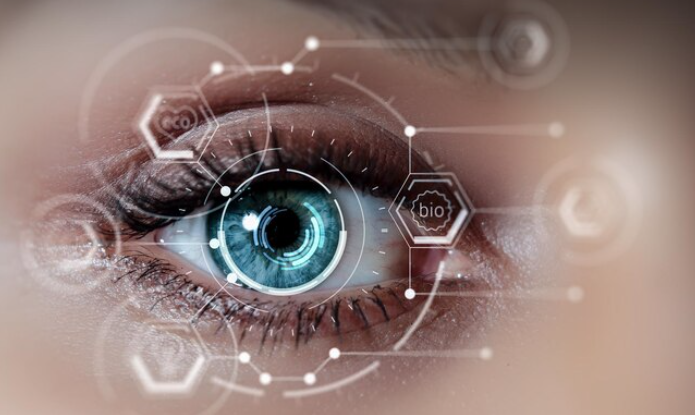
Smart contact lenses seamlessly integrate health monitoring and augmented reality. They provide valuable insights without interrupting daily routines. Furthermore, AR capabilities transform how users access digital information. As innovation continues, smart contact lenses may reshape healthcare and digital interaction worldwide.