
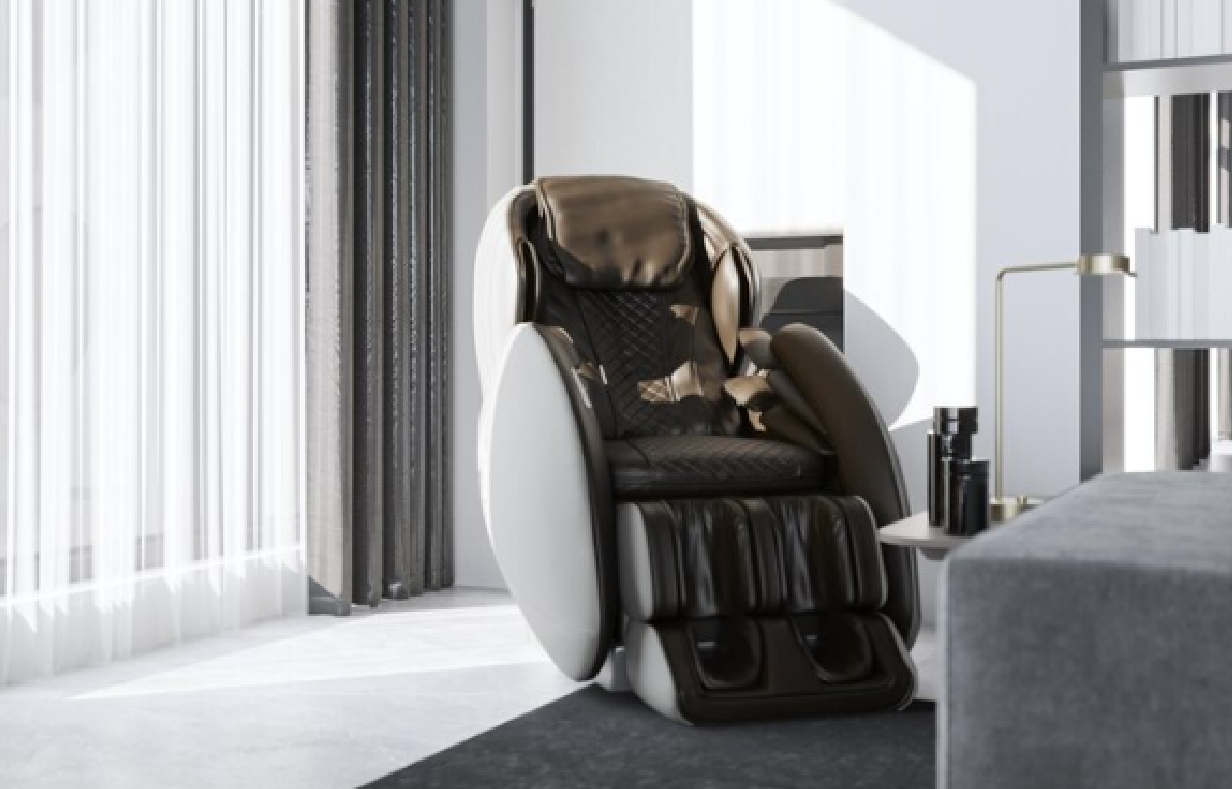
Intelligent Back Support Enters a New Era
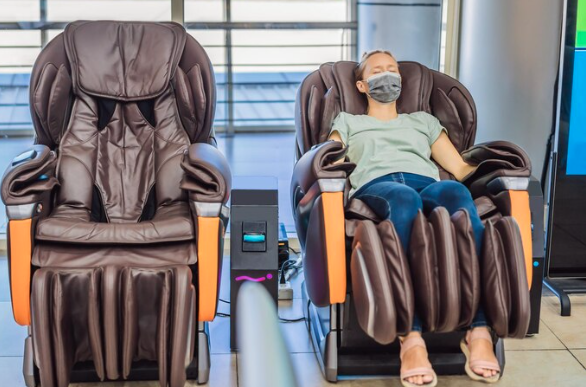
Back discomfort remains a global issue. However, 2026 delivers more refined solutions. Digital back support devices now offer precise and responsive comfort. As a result, users gain relief without heavy or rigid equipment. Technology fits naturally into daily routines. These advanced systems adjust posture in real time. Therefore, support feels smooth and effortless. Built-in sensors track spinal alignment continuously. Consequently, users fix posture before strain develops. This proactive approach reduces long-term discomfort.
AI-Powered Posture Correction Systems
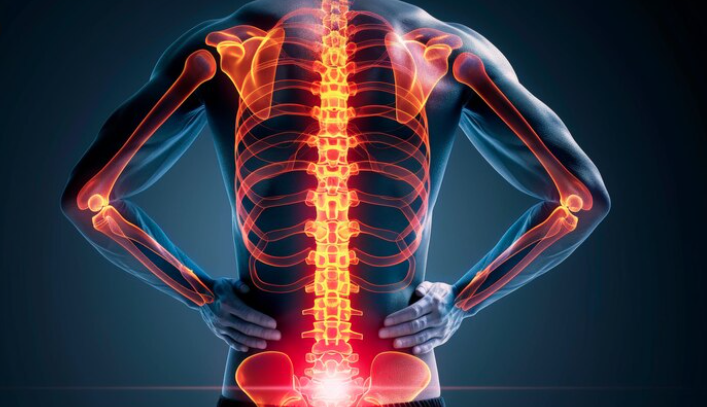
Artificial intelligence plays a central role in modern posture devices. For instance, Upright Technologies develops wearables that monitor back position throughout the day. These devices evaluate movement patterns instantly. Gentle vibration alerts guide posture correction discreetly. As a result, healthy habits form naturally over time. Unlike traditional braces, these designs remain slim and flexible. Mobile apps also provide live posture insights. Therefore, users monitor improvements with clarity. Over weeks of use, spinal alignment improves steadily.
Advanced Ergonomic Solutions for Workspaces
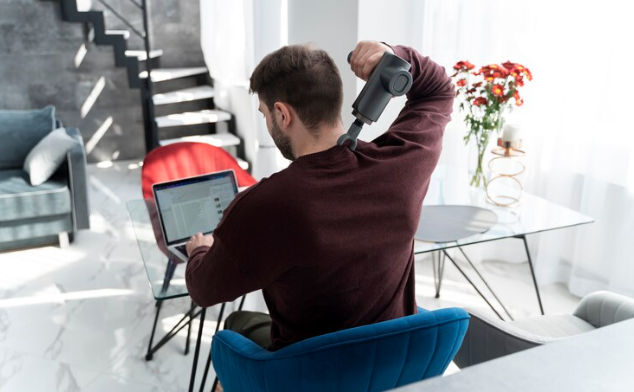
Work-from-home culture continues shaping ergonomic innovation. As a result, advanced digital lumbar support seamlessly blends into contemporary office seating. Industry leaders such as Herman Miller focus on adaptive seating technology. Smart chairs now include automatic lumbar adjustment. These systems react instantly to body movement. Therefore, extended sitting becomes less stressful. Pressure sensors detect uneven posture immediately. As a result, users maintain balanced seating positions. Compared to static chairs, dynamic systems reduce stiffness. Heated lumbar features also enhance circulation. Thus, muscle tightness decreases efficiently.
Wearable Back Support for Active Lifestyles

Wearable digital supports evolve rapidly in 2026. Brands like Lumo Bodytech create flexible posture trainers for daily use. These lightweight devices fit easily under clothing. Athletes gain real-time biomechanical feedback during workouts. Therefore, injury risks decline significantly. Fitness applications sync data for performance analysis. Unlike rigid braces, modern wearables encourage natural movement. As a result, muscles strengthen gradually. Battery life also improves in new models. Consequently, users depend on devices throughout busy schedules.
Smart Sofas with Adaptive Lumbar Features
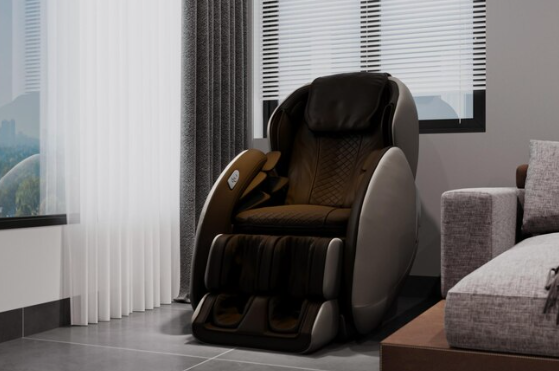
Home furniture now includes digital posture technology. Smart sofas boast responsive lumbar supports that adjust in real time. Therefore, living room seating becomes supportive and comfortable. Memory foam layers adapt to pressure changes. As a result, each user receives personalized support. Integrated sensors also track sitting duration. Gentle reminders encourage standing or stretching. Consequently, prolonged sitting habits improve. Unlike traditional sofas, smart seating promotes spinal awareness. Modern aesthetics remain a priority. Thus, technology blends seamlessly with interior design.
Mobile Integration and Real-Time Analytics
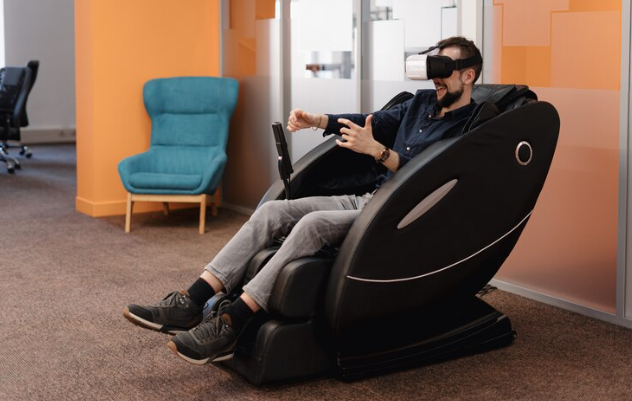
Digital back support devices connect directly with smartphones. Companion apps display detailed posture metrics. Therefore, users understand their daily movement patterns clearly. Cloud storage tracks posture history over time. Consequently, trends become easy to identify. Personalized improvement plans guide consistent progress. Some devices integrate within ecosystems like Apple for broader health tracking. As a result, posture data complements overall wellness monitoring. Push notifications reinforce healthy habits daily. Therefore, long-term improvement becomes achievable.
Eco-Conscious Materials and Sustainable Design
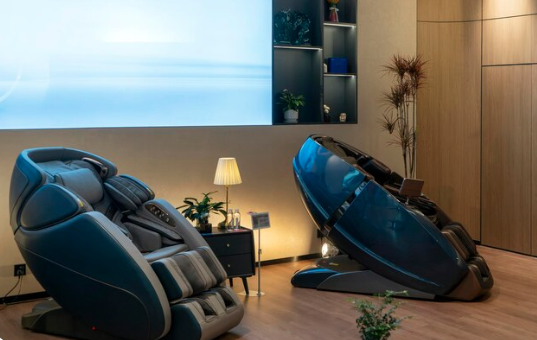
Sustainability influences product development strongly in 2026. Manufacturers choose recycled and breathable fabrics. Consequently, digital back support devices reduce environmental impact. Energy-efficient components extend battery life. Therefore, charging frequency decreases. Modular construction also simplifies part replacement. As a result, product lifespan increases noticeably. Unlike disposable supports, modern devices promote durability and responsibility.
Why These Devices Define 2026 Wellness
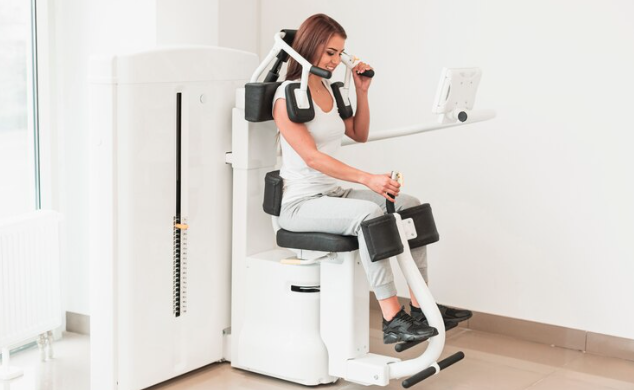
Modern lifestyles demand smarter ergonomic solutions. Passive back support no longer satisfies expectations. Digital systems actively guide posture improvement. Advanced technology builds awareness instantly. Therefore, prevention replaces reactive treatment. Designs also remain sleek and unobtrusive. Users gain relief without compromising comfort or style. Ultimately, next-generation digital back support devices reshape spinal health in 2026.