
In a world where we’re constantly connected through the internet, safeguarding your personal information has never been more important. Cybercriminals are always looking for ways to steal your data, which can lead to identity theft, financial loss, and privacy breaches. To stay protected, you need to be proactive and follow some simple yet powerful security practices. Here’s a straightforward guide to help you keep your personal data safe while browsing online.
1. Make Sure Each of Your Passwords Is Strong and Different from the Rest
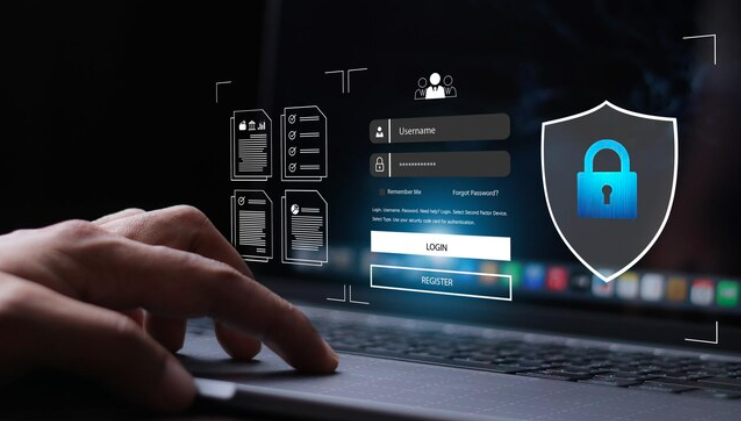
Your passwords serve as your primary shield against cyber threats. Make sure each password is complicated, mixing uppercase and lowercase letters, numbers, and special characters. Steer clear of common or guessable details like your birthdate, pet’s name, or simple sequences. To make this easier, think about using a trusted password manager-this handy tool can generate strong passwords for you and securely store all your login details.
2. Enable Two-Factor Authentication (2FA)
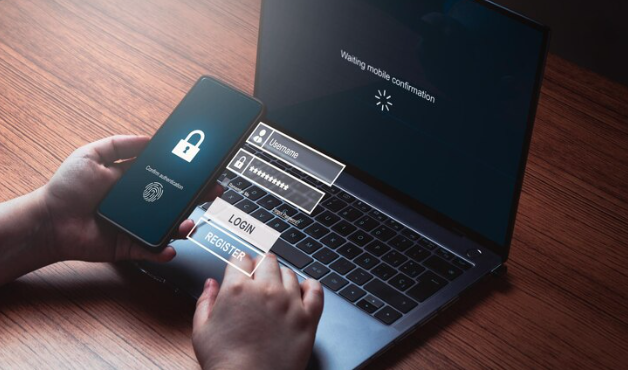
Adding an extra step when logging into your accounts can significantly boost your security. Two-factor authentication requires you to enter a unique code sent to your phone or email after inputting your password. Even if someone steals your password, they won’t be able to access your account without this second verification step.
3. Be Careful When Using Public Wi-Fi

Public Wi-Fi networks, such as those found in coffee shops or airports, are usually not very secure. This means hackers can potentially intercept your data if you connect to these networks. Refrain from accessing sensitive accounts or conducting financial transactions while using public Wi-Fi. If you must use it, consider connecting through a reputable Virtual Private Network (VPN), which encrypts your internet traffic and keeps your data private.
4. Stay Current with Software and App Updates
Software updates aren’t just about getting new features- they often include important security patches that fix vulnerabilities. Make it a habit to regularly update your operating system, web browsers, and apps. Staying current helps protect your device and your personal information from cyber threats.
5. Be Wary of Phishing and Fake Messages
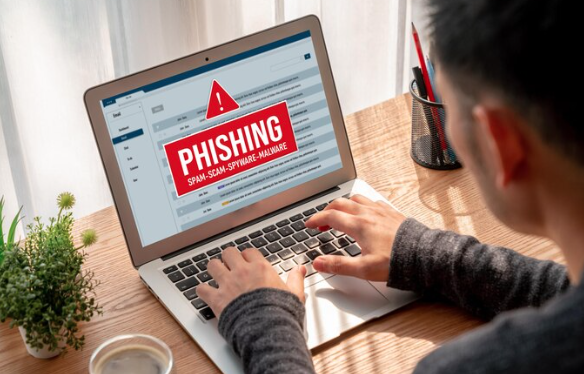
Cybercriminals often try to trick you with fake emails or messages pretending to be legitimate. These phishing attempts aim to steal your personal information or infect your device with malware. Always be cautious about clicking links or sharing personal info. Verify the sender’s identity and look for signs of phishing, like spelling mistakes or unusual requests. When in doubt, don’t click reach out to the company or person directly through official channels.
6. Share Personal Details Wisely on Social Media

Be mindful of what you post online. Sharing too much personal info, such as your home address, phone number, or travel plans, can make you vulnerable to scams or theft. Adjust the privacy settings on your social media accounts so only trusted friends and family can see your posts. Keep in mind that anything you post online can stay there forever.
7. Look for HTTPS When Visiting Websites
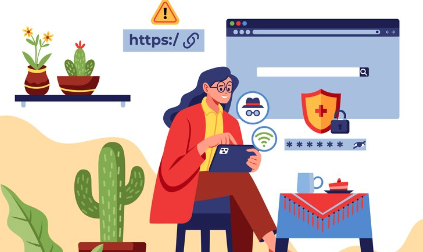
Before entering any personal information on a website, check that it uses HTTPS this is indicated by a padlock icon in the address bar. HTTPS encrypts your data during transmission, making it much harder for hackers to intercept and misuse your information.
8. Regularly Check Your Accounts and Credit Reports
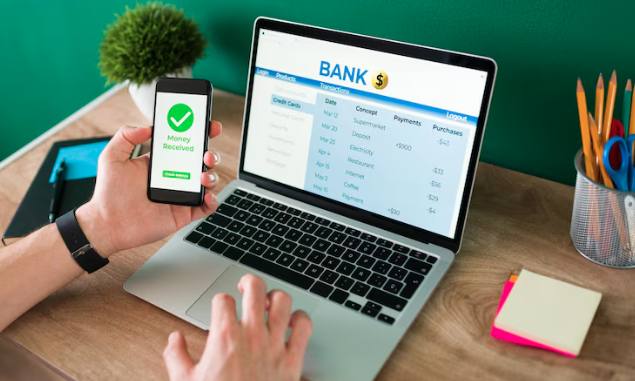
Keep a close eye on your bank statements, online accounts, and credit reports. Monitoring these regularly helps you spot any suspicious activity early on. If you notice anything unusual, take action immediately to protect your identity and limit potential damage.
Final Thoughts
Staying safe online isn’t a one-time effort it’s an ongoing process. By following simple steps like using strong passwords, turning on two-factor authentication, avoiding risky networks, and staying alert to cyber threats, you can significantly improve your digital security. Your safety online depends on your actions. Be cautious, stay informed, and protect your personal data every step of the way. Your digital life depends on it!