
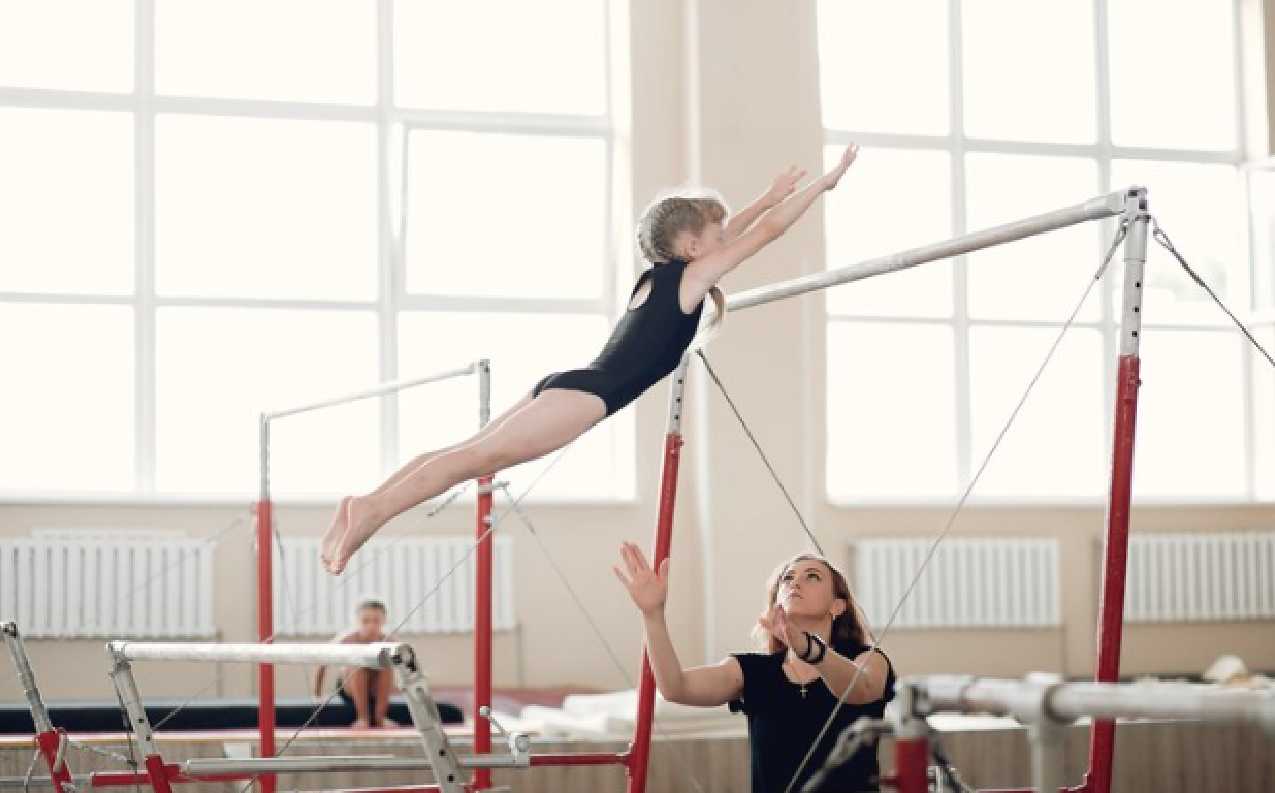
Elite gymnasts combine power, control, and discipline. In 2026, training methods emphasize smart progression and injury prevention. Coaches now blend sports science with structured drills. As a result, athletes improve performance while protecting their bodies.
Start with an Effective Warm Up Routine
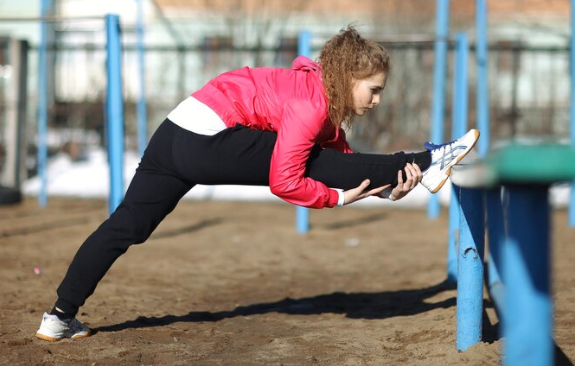
Preparation sets the tone for every session. A dynamic warm up increases circulation and activates muscles. Therefore, the body becomes ready for intense movement. Light jogging and mobility drills improve coordination. In addition, controlled joint rotations reduce strain. Proper preparation enhances precision during skills.
Develop Full Body Strength
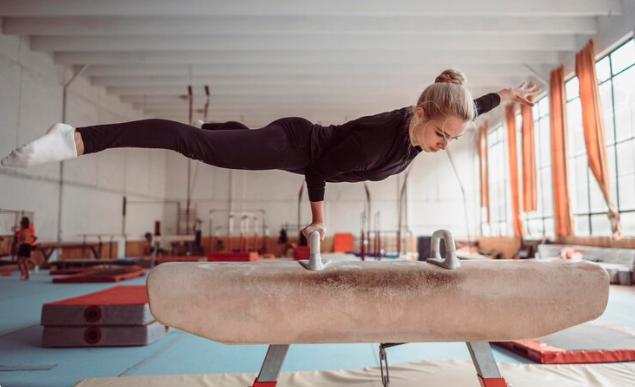
Gymnastics requires balanced strength across all muscle groups. Core exercises improve stability and body control. Consequently, tumbling passes feel stronger and cleaner. Upper body training supports bars, rings, and handstands. Meanwhile, leg conditioning boosts jump height and landing power. Consistent strength sessions build endurance steadily.
Increase Flexibility for Better Execution
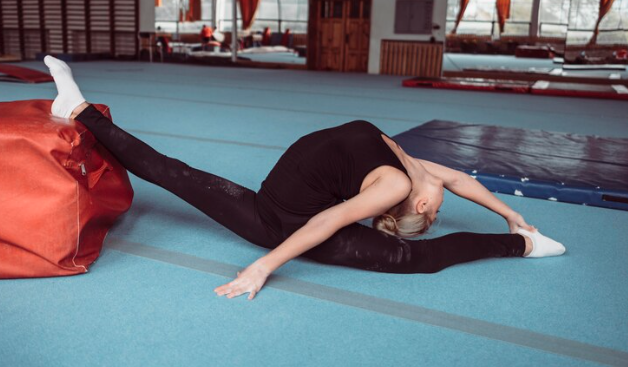
Flexibility improves lines and overall presentation. Daily stretching enhances range of motion gradually. Therefore, splits and backbends look smoother. Active flexibility drills strengthen muscles in extended positions. Moreover, mobility work reduces stiffness after practice. Controlled flexibility supports both safety and style.
Refine Skills Through Focused Practice
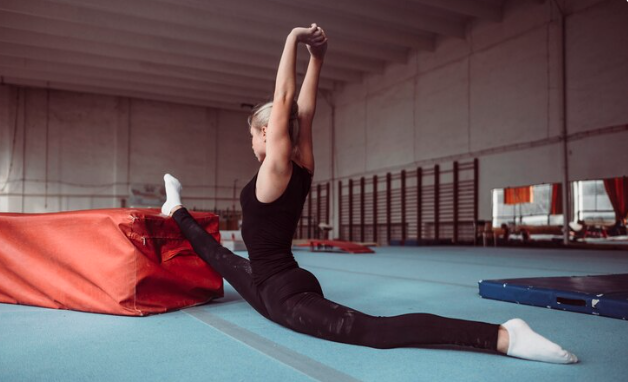
Technical precision separates average routines from outstanding ones. Repeating drills strengthens muscle memory. As a result, movements become automatic under pressure. Divide advanced skills into smaller steps. In addition, review practice footage to correct errors. Consistent refinement improves performance quality.
Improve Balance and Body Awareness
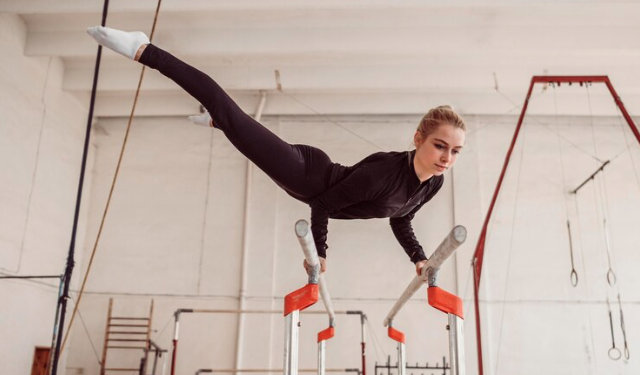
Balance plays a critical role in gymnastics events. Beam work strengthens focus and coordination. Therefore, stability improves during complex skills. Single leg exercises enhance control. Furthermore, strong core engagement ensures cleaner landings. Balanced athletes minimize unnecessary corrections.
Emphasize Recovery and Injury Prevention
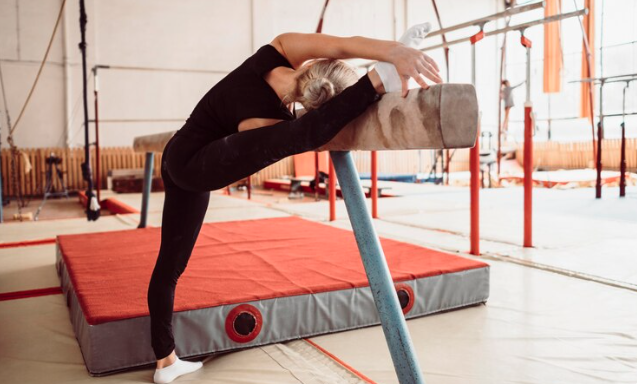
Training intensity must be balanced with recovery. Post workout stretching reduces muscle tightness. Additionally, foam rolling supports circulation. Scheduled rest days allow muscles to repair properly. Consequently, strength increases without overload. Listening to physical signals prevents long term injuries.
Support Training with Proper Nutrition

Fueling the body correctly enhances athletic output. Balanced meals provide steady energy throughout the day. Therefore, protein and healthy carbohydrates remain essential. Hydration also maintains muscle efficiency. In addition, consistent nutrition supports focus during training. A nourished athlete performs more effectively.
Strengthen Mental Performance
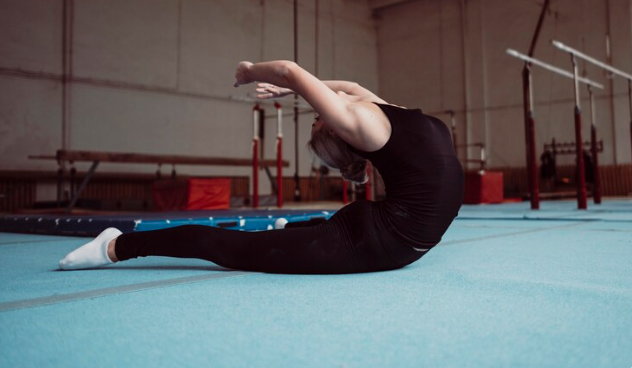
Gymnastics demands concentration and resilience. Visualization helps athletes prepare for routines. As a result, confidence grows before competitions. Controlled breathing lowers stress levels. Moreover, positive thinking reinforces determination. Mental discipline complements physical preparation.
Commit to Consistent Training
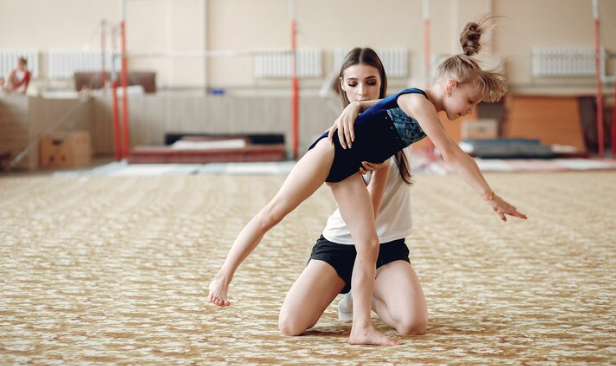
Improvement requires dedication and structure. Following a planned schedule ensures steady progress. Therefore, skill development becomes measurable over time. Small gains accumulate with repetition. Consistency strengthens technique and endurance simultaneously.
Aim Higher with Smart Training in 2026

Modern gymnastics training focuses on precision and longevity. With balanced workouts, proper recovery, and mental focus, athletes reach new levels safely. Commit to disciplined practice. Strength, flexibility, and confidence will continue to advance with every session.