
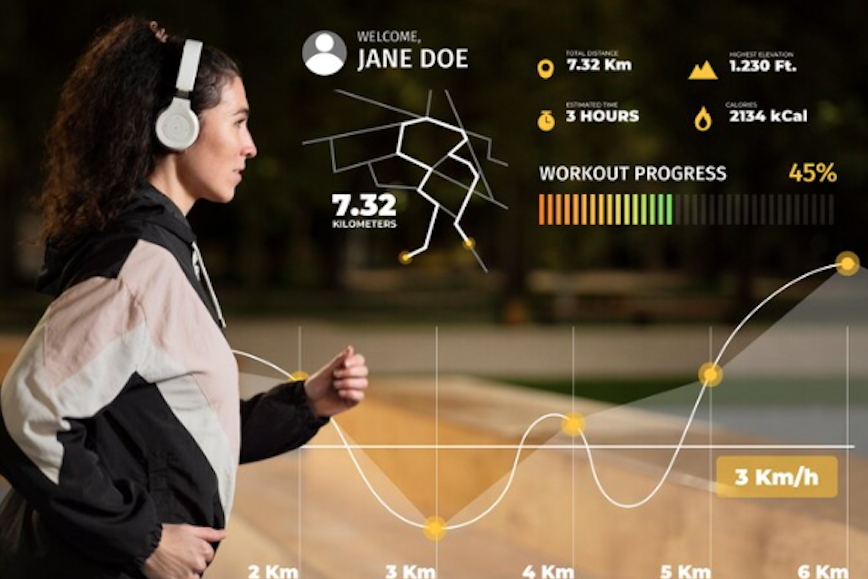
Monitoring your fitness journey is vital for maintaining motivation, evaluating your progress, and making informed adjustments to your workout plan. Here’s a comprehensive guide on how to effectively track and measure your fitness improvements:
1. Set Clear and Achievable Goals

Decide what you want to accomplish, such as losing weight, building muscle, or boosting your endurance. Make sure your goals are SMART that’s, specific, easy to measure, realistic, relevant to you, and set with a deadline in mind.
2. Utilize a Fitness Journal or Mobile App
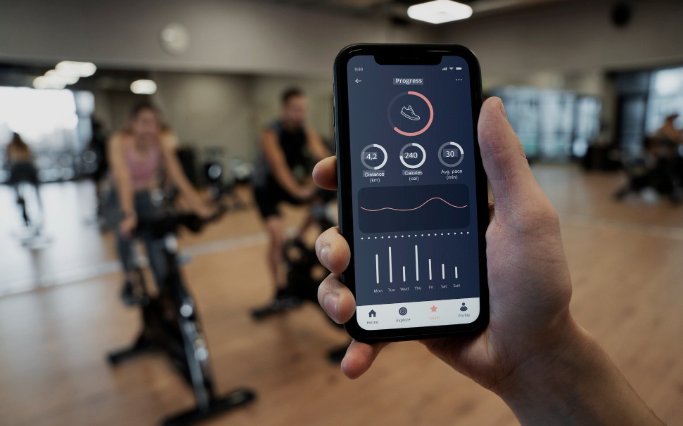
Maintain a dedicated journal or use popular fitness tracking apps like MyFitnessPal, Strava, or Fitbit. Record details such as workouts, sets, reps, weights, durations, and your feelings during each session.
3. Track Key Performance Metrics
Body Measurements
Record your waist, hips, chest, arms, and thighs to observe physical changes.
Body Weight
Weigh yourself regularly, but avoid obsessing over daily fluctuations.
Progress Photos
Take photos from multiple angles weekly or monthly to visually assess your transformation.
Strength Gains
Keep track of your maximum lifts, repetitions, or resistance levels.
Endurance
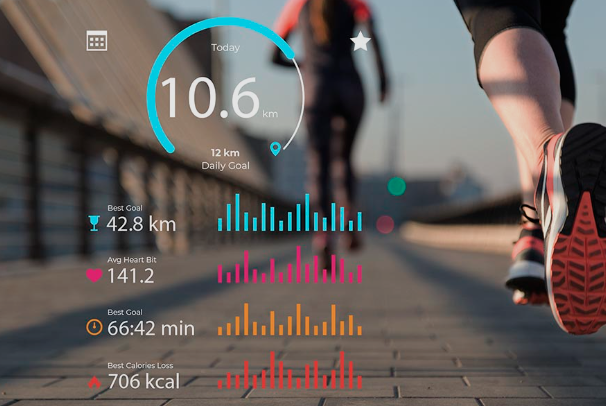
Monitor running distances, cycling speeds, or cardio durations.
Flexibility and Mobility
Observe progress in stretching and range of motion exercises.
4. Leverage Technology and Devices

Use wearable fitness trackers or smartwatches to monitor steps, heart rate, sleep patterns, and overall activity levels. Heart rate monitors can help gauge workout intensity and recovery.
5. Conduct Regular Performance Assessments

Perform periodic fitness tests like timed runs, push up or sit up counts, or flexibility routines. Document results consistently to observe progress over time.
6. Monitor Your Nutrition

Keep a food diary to ensure your diet supports your goals. Use nutrition apps to track calorie intake, macronutrients, and hydration levels.
7. Tune into Your Body

Monitor how your energy, sleep, and overall health are changing over time. Track soreness, fatigue, and recovery times to avoid overtraining and optimize performance.
8. Review and Refine Your Plan
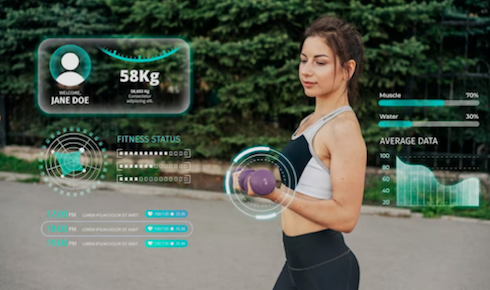
Set regular review dates monthly or quarterly to evaluate your progress. Adjust your goals, routines, or workout intensity based on the outcomes.
9. Celebrate Achievements

Acknowledge milestones such as lifting heavier weights, running faster, or fitting into smaller clothes. Celebrating successes enhances motivation and boosts confidence.
Final Thoughts
Consistency is essential. Frequent tracking helps you stay accountable, discover what works best, and steadily move toward your fitness ambitions.