
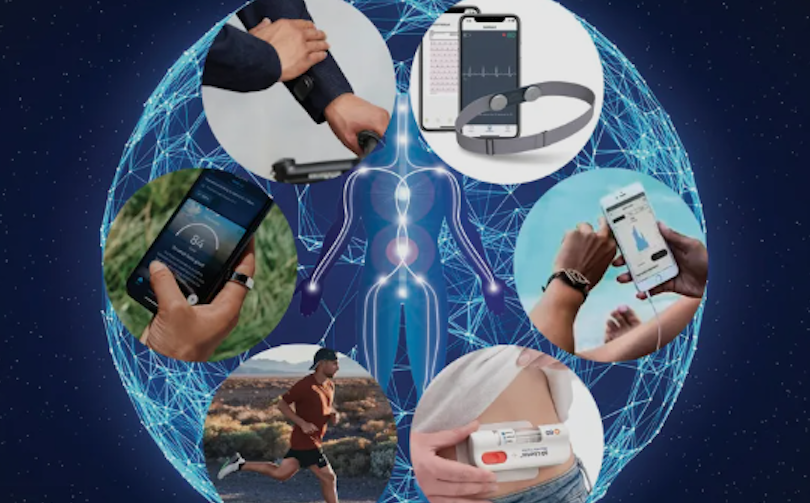
Have you noticed how healthcare is changing? It used to be that you only saw your doctor when you were already feeling sick. You’d book an appointment, sit in a waiting room, get a quick check-up, and hopefully walk out with a prescription. But today, the model is shifting dramatically. We are moving away from that occasional, reactive style of care toward something continuous, proactive, and deeply personal. Leading this charge is the explosion of wearable technology.
From the smartwatch on your wrist to the sensor patch on your arm, these devices do much more than count steps. They are turning our bodies into sources of real-time medical data, offering insights that were once impossible to gather outside of a hospital lab. Let’s dive into how this technology is rewriting the rules of health and wellness, and what it means for you and the future of medicine.
What Exactly Are Healthcare Wearables?
When we mention “wearables,” it’s simple to assume we’re only referring to fitness trackers. While those are part of the family, the category has grown significantly. Healthcare wearables are electronic devices designed to be worn on or near the body to monitor health metrics. They range from consumer gadgets to medical-grade equipment.
The most common examples you probably know include fitness bands and smartwatches. These track your heart rate, how much you sleep, and how active you are during the day. But it goes deeper. We now have smart rings capable of monitoring temperature and recovery, as well as smart clothing designed to track your posture.
On the more serious medical side, there are continuous glucose monitors (CGMs) for diabetes management and heart rhythm patches that can detect atrial fibrillation. Even standard tools like blood pressure cuffs and pulse oximeters have gone digital, syncing their data straight to apps or your electronic health records (EHR).
How These Devices Are Driving Innovation
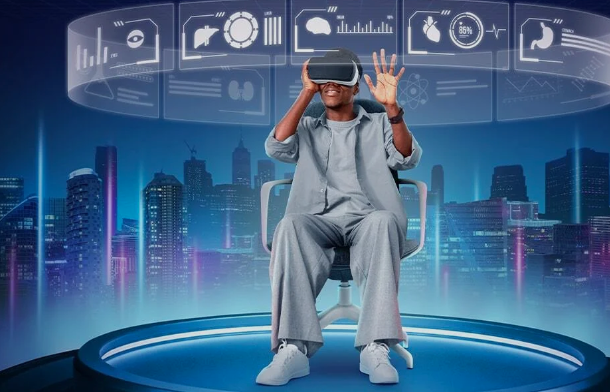
The integration of these gadgets into healthcare isn’t just a gimmick; it’s creating real, tangible changes in how patients are treated.
Always-On Monitoring for Early Action
Think of a standard check-up as a snapshot. It tells the doctor how your body was doing at that exact minute. Wearables, however, provide a live stream. They offer continuous monitoring of vital signs like heart rhythm, oxygen levels, and glucose. This constant flow of data helps doctors spot subtle changes that happen between visits. Catching these early warning signs allows for faster interventions, potentially preventing a minor issue from becoming a major emergency.
Truly Personalized Care Plans
No two bodies are the same, so why should treatments be identical? Wearables provide individualized data that allows clinicians to tailor treatments. For someone managing diabetes or hypertension, real-time data means a doctor can adjust medication or lifestyle advice based on what the patient is experiencing right now. This level of customization leads to tighter control over chronic conditions and fewer flare-ups.
Remote Patient Monitoring (RPM)
This is a game-changer, especially for people living in rural areas or those who have trouble getting to a clinic. RPM allows patients to be safely monitored from the comfort of their own homes. It reduces the need for unnecessary travel and hospital visits, while still keeping the healthcare team in the loop. It bridges the gap between the patient’s daily life and the clinic.
The Hurdles We Still Need to Clear
While the potential is amazing, we can’t ignore that there are challenges to overcome before this technology becomes standard everywhere.
Data Privacy and Security
Your health data is arguably the most sensitive information you have. If it’s being transmitted from your wrist to the cloud, it needs to be secure. Implementing robust encryption and strictly complying with regulations such as HIPAA are essential and non-negotiable. Patients need to trust that their data isn’t going to be breached or misused.
Accuracy and Clinical Validation
Not all gadgets are created equal. A cheap knock-off might give you a rough estimate of your steps, but if a doctor is going to use data to make a medical decision, accuracy is everything. Devices need to be clinically validated and proven to be reliable. Look for products that have been cleared by regulatory bodies and have published studies backing their claims.
Making Systems Talk to Each Other
For wearable data to be useful, it needs to get to the doctor. That means the device needs to “talk” to the hospital’s electronic health record system. Interoperability, the capability of various systems to share data, is a complex technical challenge that the industry continues to work on resolving. We need standardized formats so that a doctor sees a clean, organized dashboard, not a mess of confusing numbers.
Practical Tips: How to Get Real Value
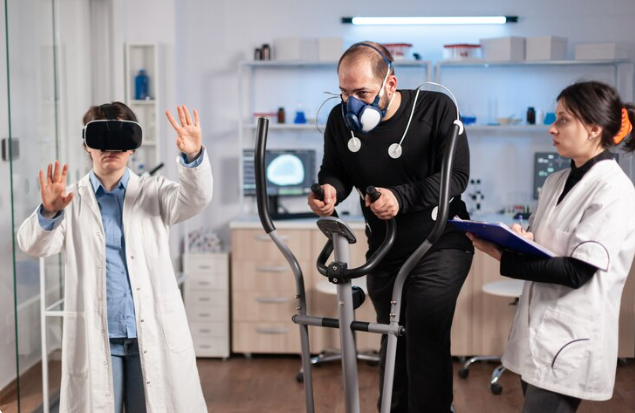
If you are thinking about jumping into the world of wearables, or if you are a clinician looking to implement them, here is how to actually make it useful.
For Individuals and Caregivers
Start with a Goal: Don’t just buy the most expensive watch. Pick a device that matches your specific health priority, whether that is tracking sleep, monitoring heart rhythm, or managing blood sugar.
Check Compatibility: Make sure the device syncs with the apps you use or, ideally, the platform your doctor uses.
Share the Data: The information is only helpful if it’s seen. Bring your data to your appointments so it can inform real care decisions.
For Healthcare Leaders
Focus on One Use Case: Don’t try to do everything at once. Start with remote monitoring for heart failure or post-op recovery.
Establish Alert Protocols: You want to prevent doctors from being overwhelmed by notifications. Set clear thresholds for when an alert actually requires action.
Educate Patients: Help patients understand how to use the devices and why the data matters.
The Future Is Smarter
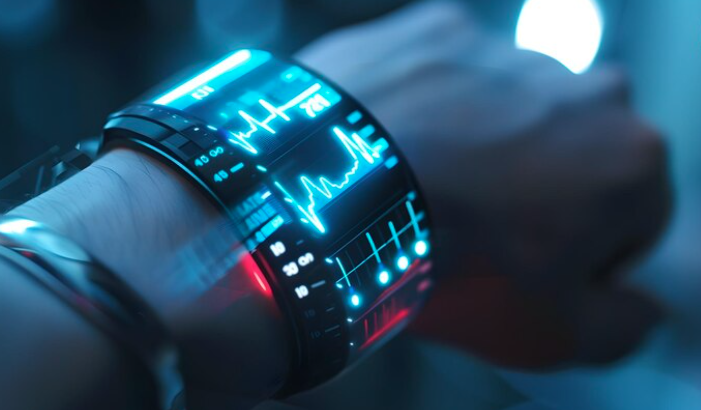
So, where is this all going? We are entering an era of AI and multisensor biosensing. Future wearables won’t just count steps; they will analyze sweat for biomarkers, track respiration patterns, and use machine learning to detect health issues before you even feel symptoms. Edge computing will process this data right on the device, making insights faster and preserving privacy.
In emergencies, these devices will become even more critical, automatically alerting emergency services if a fall or a crash is detected.
Why This Matters Now
This isn’t just about cool technology. It’s about building a healthcare system that is preventative rather than reactive. By giving people and doctors the information they need, when they need it, we can detect problems sooner, personalize treatments effectively, and keep people healthier longer.
Conclusion
Wearable technology is rapidly becoming a cornerstone of modern medicine. It empowers individuals to take charge of their own health and gives clinicians the tools they need to provide better, faster care. While we still have work to do regarding privacy and integration, the path forward is clear. Wearables aren’t just tracking our health; they are actively helping us improve it.