
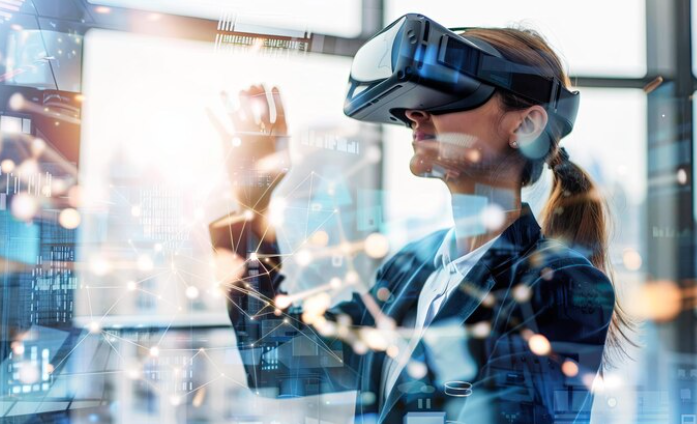
In recent times, technology has dramatically changed many areas of our lives, and education is no different. One of the most exciting innovations making waves is Augmented Reality (AR). This technology is transforming classrooms by making learning more interactive, fun, and engaging. Instead of sticking to traditional textbooks and lectures, AR offers students a dynamic way to explore and understand subjects by blending digital content with the real world.
What Exactly Is Augmented Reality in Education?
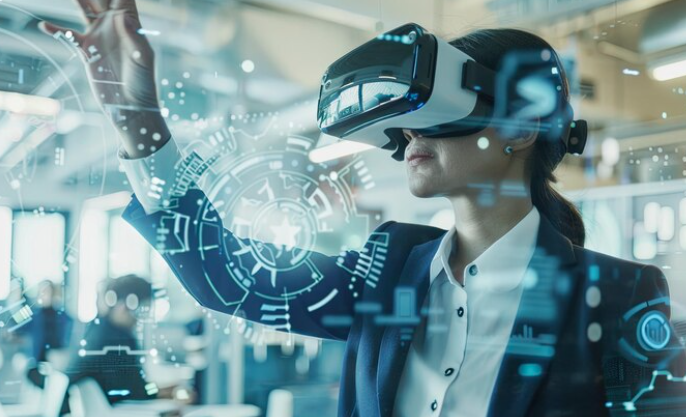
Augmented Reality is a smart technology that superimposes digital images, sounds, or 3D models onto the physical environment through devices like smartphones, tablets, or AR glasses. Unlike Virtual Reality, which immerses you in an entirely virtual world, AR enhances the real world around you. This makes learning more immediate and tangible, helping students visualize complex ideas more easily.
How AR Is Revolutionizing Learning Today
1. Making Learning More Fun and Interactive
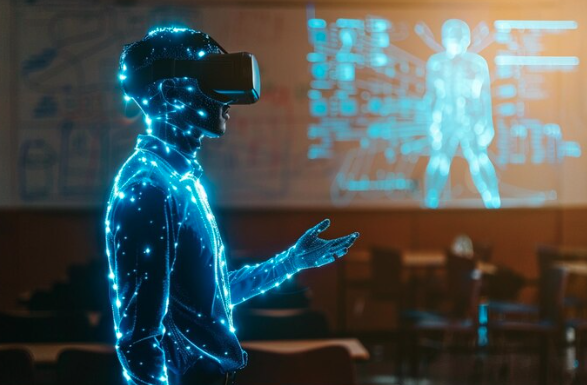
In conventional classrooms, students frequently depend on textbooks and lectures that can occasionally be boring or hard to visualize. AR changes that by bringing lessons to life. Imagine exploring a 3D model of the human body, walking through ancient cities virtually, or observing planets in the solar system all from your classroom or even your living room. Such immersive experiences boost curiosity and keep students excited about learning.
2. Improving Visual and Practical Skills
Some topics are hard to grasp through words alone. AR provides visual and interactive experiences that accommodate various learning preferences. For example, medical students can practice surgeries on virtual patients, while engineering students can assemble complex machinery virtually. This practical approach helps students understand better and remember more.
3. Supporting Remote and Distance Learning
The COVID-19 pandemic highlighted the need for remote education tools. AR makes it possible for students to participate in immersive lessons from anywhere. Teachers can create virtual labs, field trips, and interactive activities that students can access from their homes, making remote learning more effective and engaging.
Encouraging Teamwork and Social Interaction
Many AR applications promote group activities where students work together to solve problems or complete projects. This collaborative approach enhances teamwork, communication skills, and peer learning, making education more lively and inclusive.
4. Customizing Learning for Every Student
AR technology can adapt to each student’s individual needs. Adaptive learning platforms using AR can adjust the difficulty of content based on a student’s progress, providing personalized pathways that help build confidence and mastery in subjects.
The Obstacles and Prospects of AR in Education
While AR offers many advantages, integrating it into schools can be challenging. Costs, the need for technical skills, and ensuring equal access for all students are hurdles to overcome. However, as technology becomes more affordable and user friendly, these issues are gradually being addressed.
Looking ahead, AR’s potential in education is enormous. With ongoing advancements, AR will become more accessible, intuitive, and widespread, turning classrooms into vibrant spaces of discovery, creativity, and innovation.
Final Thoughts

Augmented Reality isn’t just a trendy tech buzzword it’s a powerful tool that is fundamentally changing how we learn. By making lessons more engaging, visual, and tailored to individual needs, AR is inspiring students to become curious, motivated, and ready for the future. Embracing this technology today will help shape a more innovative and inclusive educational landscape tomorrow.
Are you ready to see how AR can transform your learning environment? Step into the future of education with augmented reality where learning knows no limits and possibilities are endless.
Read Also: The top AI based content writing tools to use as a blogger in 2026