
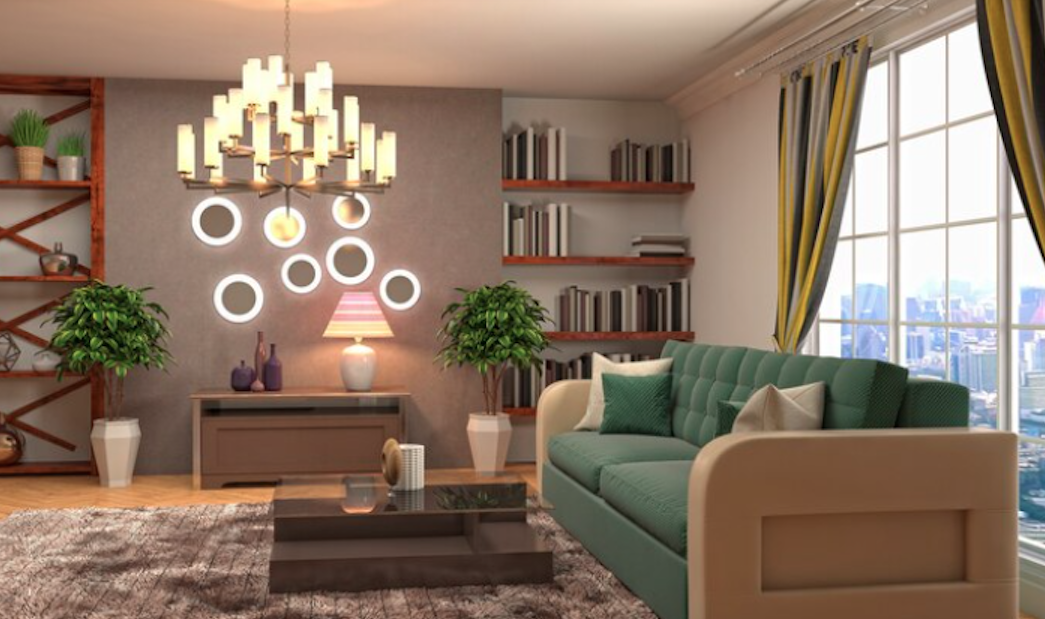
Interior design in 2026 has transcended mere decoration. It is no longer focused solely on aesthetics but on cultivating an environment that supports well-being and adapts to daily life. The contemporary home merges organic inspiration with intelligent systems, fostering both emotional comfort and practical efficiency. We are shifting from stark, impersonal interiors toward nurturing, responsive settings that promote mental clarity while integrating seamlessly with modern innovations.
Nature Integrated: The Biophilic Approach
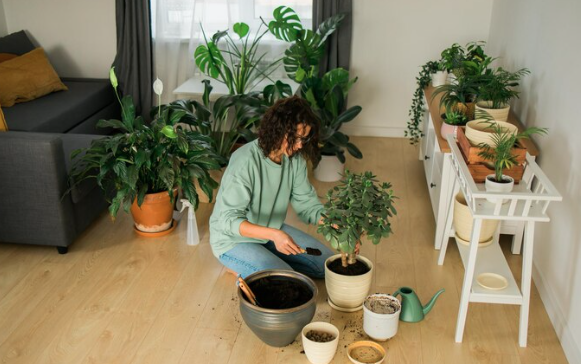
A defining movement in 2026 is the dissolution of boundaries between the built environment and the natural world. This goes beyond occasional greenery-it is an immersive philosophy.
- Living Architecture: Interior walls now support lush, vertical gardens that purify air and soften acoustics, transforming rooms into serene, breathing ecosystems.
- Organic Materials: Unfinished timber, natural stone, and woven fibers are foundational, bringing texture and authenticity into everyday spaces.
- Harmonious Light: Expansive glazing is standard, often filtered through wooden screens or textile shades to recreate dappled, canopy-like illumination, reducing stress and enhancing connection to the outdoors.
Intelligent Illumination: Light as Therapy
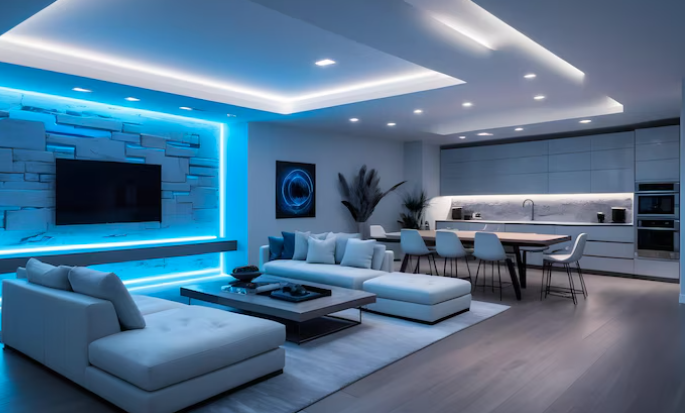
Lighting is no longer static or purely functional. It has become an active tool for health and ambience.
- Biological Synchronization: Adaptive systems automatically modify intensity and hue throughout the day-energizing cool tones for morning, shifting to soothing warmth by evening-to support natural circadian rhythms.
- Concealed Glow: Fixtures are subtly embedded within architecture. Illumination emerges from recesses, shelves, and floors, producing a gentle radiance that unifies and expands perception without visible hardware.
Technology, Seamlessly Integrated
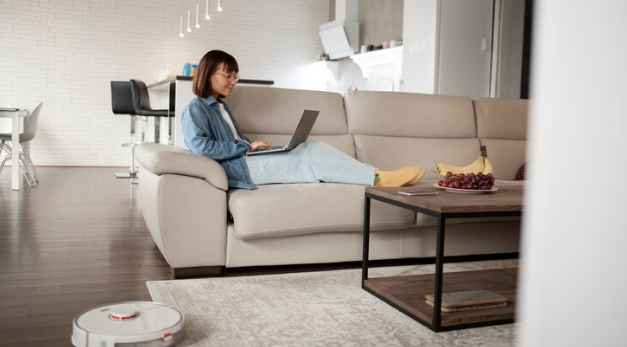
The advanced home is intuitive, not intrusive. The ethos is to embed innovation invisibly within the living space.
- Adaptive Surfaces: Smart glass transitions from clear to opaque on command, eliminating the need for traditional window treatments and maintaining clean, fluid lines.
- Discreet Displays: Screens recede into mirrors, cabinetry, or walls when idle. Projection technology allows for entertainment or workspaces to appear only when needed, preserving visual tranquility.
Adaptable and Fluid Interiors
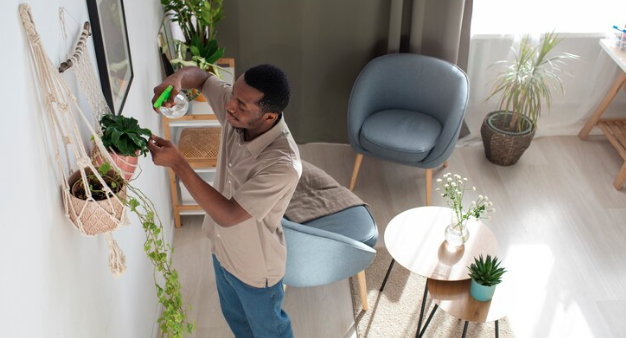
With hybrid lifestyles enduring, homes are designed for transformation. Fixed floor plans give way to versatile, multi-use zones.
- Transformative Furnishings: Pieces serve multiple roles-a console expands into a dining table, a bed retreats into a cabinet, and modular seating reconfigures effortlessly for different occasions.
- Dynamic Partitions: Sliding panels and folding doors allow rooms to be reshaped instantly, converting a private study into an open gathering area with ease.
The Palette of Tranquil Refinement
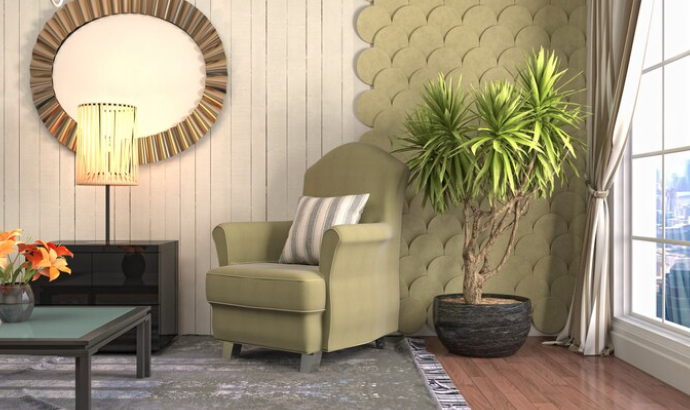
Color and material choices in 2026 embody “Quiet Luxury”-a subdued, sensory-rich elegance.
- Earth-Inspired Hues: Muted clay, mossy greens, oat, and slate gray establish calm, grounding backdrops that offer respite from external stimulation.
- Textural Depth: Plush boucle, soft velvets, and natural linens invite touch, adding layers of comfort that make a home feel embracing and secure.
Conclusion
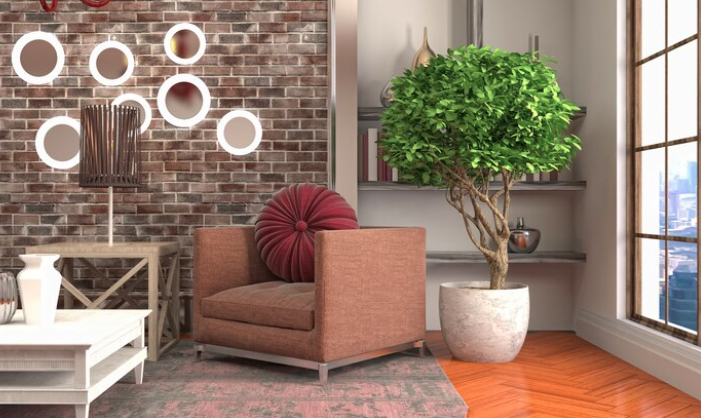
The ideal home environment of 2026 is an artful synthesis-where technology serves silently, nature restores gently, and every element is intentional. It is an adaptive haven that nurtures health, accommodates change, and provides a profound sense of retreat. In this new era, interior design does not just shape spaces-it enhances the way we live within them.