
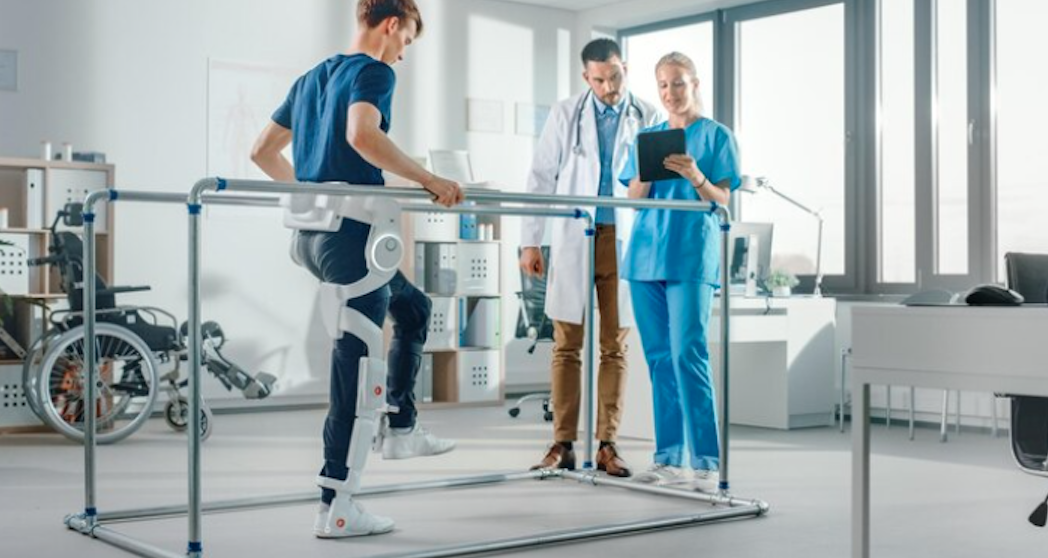
Physiotherapy is evolving rapidly across global healthcare systems. By 2026, innovation will transform recovery, prevention, and long-term health management. Moreover, digital tools and personalized treatment will redefine clinical success. As a result, physiotherapy will become a foundation of sustainable healthcare delivery.
Advancements in Contemporary Physiotherapy Practice
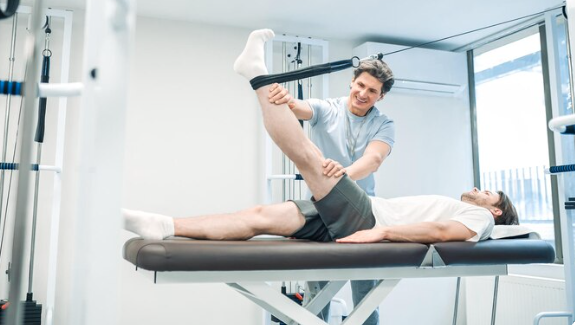
Physiotherapy no longer relies solely on traditional rehabilitation exercises. Today, professionals combine research, technology, and patient-focused care. Additionally, improved diagnostic tools enable highly accurate treatment planning. Consequently, patients achieve faster and more reliable recovery outcomes. Meanwhile, healthcare systems emphasize proactive and preventive strategies. Therefore, physiotherapists prioritize mobility, strength, and functional performance. Furthermore, standardized evidence-based methods improve care consistency. Thus, treatment outcomes remain safer and more predictable.
Digital Innovation Transforming Physiotherapy Services

Digital health solutions are reshaping physiotherapy delivery worldwide. Tele-physiotherapy allows remote assessments and supervised exercise programs. Moreover, wearable devices monitor movement precision continuously. Therefore, therapists adjust interventions with real-time accuracy. Additionally, mobile applications enhance patient commitment to therapy plans. These tools offer reminders, progress tracking, and motivational insights. As a result, patient engagement increases throughout rehabilitation. Meanwhile, data analytics support long-term functional improvement.
Artificial Intelligence in Physiotherapy Decision Support
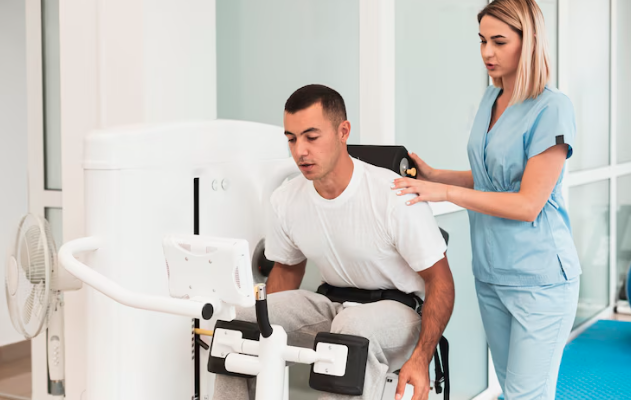
Artificial intelligence will significantly influence physiotherapy by 2026. AI systems evaluate movement patterns with exceptional detail. Furthermore, predictive models identify injury risks early. Therefore, preventive care becomes more targeted and effective. Moreover, machine learning optimizes treatment recommendations dynamically. This process aligns therapy with individual recovery progress. Consequently, clinical efficiency improves without reducing care quality. Ultimately, physiotherapists benefit from intelligent decision-support systems.
Precision Rehabilitation and Individualized Therapy
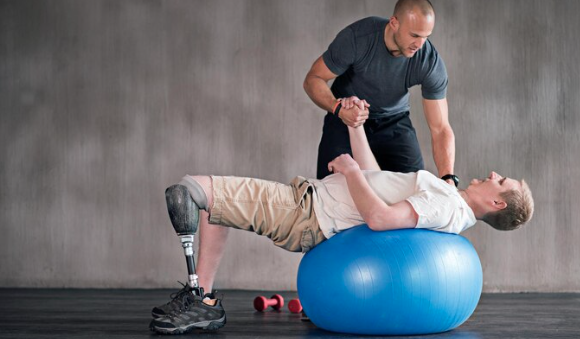
Personalized treatment defines the future of physiotherapy. Every patient presents unique physical and lifestyle characteristics. Therefore, generic rehabilitation plans gradually disappear. Instead, precision therapy adapts exercises to individual capabilities. Additionally, biomechanical and functional data guide treatment design. This strategy enhances recovery while limiting reinjury risks. Meanwhile, patient satisfaction improves through customized care. Thus, long-term rehabilitation outcomes remain sustainable.
Preventive Physiotherapy and Healthy Lifestyle Integration

Preventive physiotherapy will gain greater importance by 2026. Healthcare systems increasingly invest in injury prevention programs. Moreover, physiotherapists collaborate with fitness and wellness experts. Therefore, integrated care models continue expanding. Additionally, ergonomic training and sports conditioning receive increased attention. Such interventions reduce chronic pain and musculoskeletal issues. Consequently, healthcare expenditures decline over time. Meanwhile, individuals maintain active and healthy lifestyles longer.
Smart Technology and Advanced Rehabilitation Equipment

Innovative rehabilitation technology will transform physiotherapy environments. Robotic-assisted therapy improves coordination and muscle strength training. Furthermore, virtual reality creates engaging therapeutic experiences. As a result, patient motivation rises consistently. Additionally, smart devices deliver instant movement feedback. These systems promote correct technique during therapy sessions. Therefore, reinjury rates decrease significantly. Ultimately, clinics achieve higher rehabilitation success rates.
Physiotherapy for Aging Populations and Chronic Conditions

Global aging trends increase demand for physiotherapy services. Physiotherapists support independence and functional longevity. Moreover, movement-based therapy benefits chronic disease management. Consequently, older adults experience improved quality of life. Additionally, physiotherapy assists arthritis and neurological condition management. Regular sessions enhance mobility and pain control. Meanwhile, patient confidence and self-reliance grow steadily. Thus, long-term care outcomes remain positive.
Education, Skills Development, and Professional Advancement
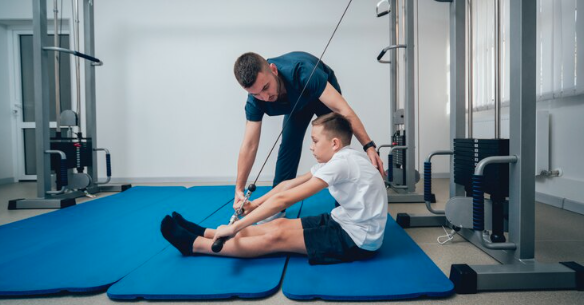
Physiotherapy education continues evolving to meet future demands. Training programs now emphasize technology and interdisciplinary teamwork. Furthermore, lifelong learning becomes essential for practitioners. Therefore, professionals remain adaptable and skilled. Additionally, global research collaboration accelerates clinical innovation. Evidence-driven standards strengthen professional credibility. Consequently, physiotherapy gains greater recognition in healthcare. Meanwhile, career opportunities expand across multiple sectors.
The Global Impact of Physiotherapy in 2026

By 2026, physiotherapy will influence healthcare at every level. Its scope extends beyond recovery into prevention and wellness promotion. Moreover, integrated care improves population health outcomes. Therefore, physiotherapy becomes essential in modern medicine. Additionally, patient empowerment defines future healthcare models. Informed patients actively engage in rehabilitation processes. Consequently, care becomes more collaborative and effective. Ultimately, physiotherapy supports a healthier and more resilient global society.