
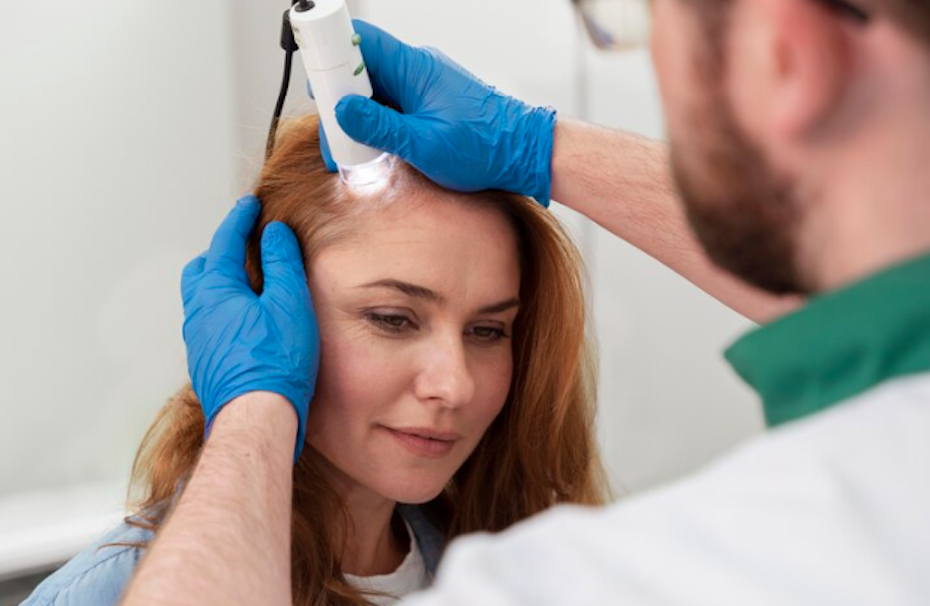
Hair loss impacts appearance and self esteem across all ages. However, medical advancements now offer reliable treatment options. As a result, people can choose solutions tailored to their needs. Moreover, ongoing research continues to enhance restoration success.
Understanding Common Types of Hair Loss
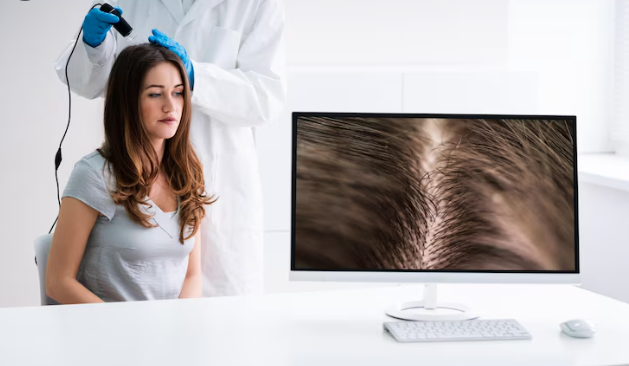
Hair loss occurs in different forms and patterns. In many cases, genetics play a significant role. Meanwhile, hormonal changes influence hair growth cycles. Additionally, daily stress contributes to gradual thinning.
Early Signs of Hair Thinning to Watch
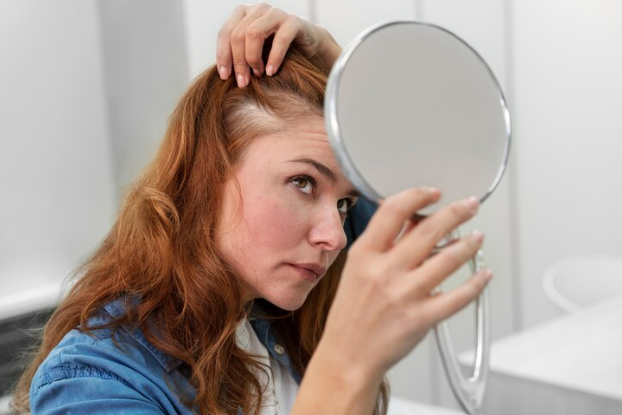
Increased hair fall often appears during washing or brushing. Moreover, visible scalp areas indicate reduced density. Similarly, a receding hairline signals follicle weakening. Therefore, timely attention improves treatment effectiveness.
Medical Treatments for Hair Loss

Doctors often prescribe clinically approved medications. Furthermore, topical treatments encourage consistent follicle stimulation. In some cases, oral medications regulate hormonal activity. Consequently, professional guidance ensures safe outcomes.
Non-Invasive Hair Restoration Therapies

Laser therapy improves blood circulation within the scalp. Meanwhile, platelet-rich plasma enhances natural regeneration. Additionally, microneedling boosts product absorption effectively. Thus, these methods appeal to non-surgical candidates.
Advanced Hair Transplant Techniques

Modern transplants create natural and dense hairlines. Additionally, follicular unit extraction reduces visible scarring. Robotic technology further improves placement precision. As a result, recovery time remains minimal.
Role of Nutrition in Hair Health

Healthy nutrition strengthens hair strands from within. Moreover, protein intake supports keratin formation. Likewise, essential vitamins improve scalp condition. Therefore, diet plays a supportive treatment role.
Lifestyle Changes Supporting Hair Growth

Stress reduction helps maintain hormonal balance. Additionally, proper sleep promotes cellular renewal. Regular physical activity increases scalp blood flow. Consequently, healthy habits enhance treatment results.
Hair Care Practices That Protect Follicles

Mild shampoos help maintain scalp moisture. Meanwhile, limiting heat styling prevents damage. Protective hairstyles also reduce hair strain. Thus, proper care supports long-term strength.
Customized Treatment Plans for Best Results
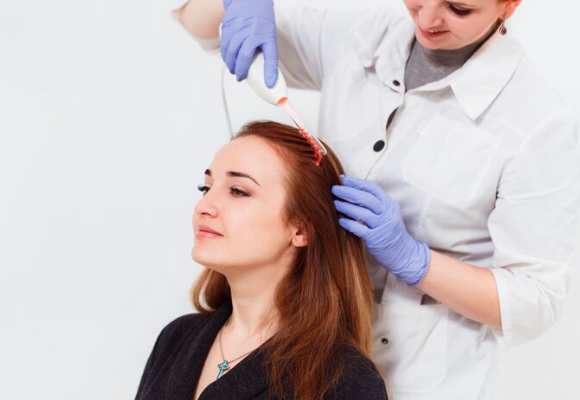
Specialists develop strategies based on individual factors. Moreover, evaluations consider genetics and hair condition. Combination therapies often deliver better improvement. Therefore, personalization ensures lasting success.
Psychological Benefits of Hair Restoration
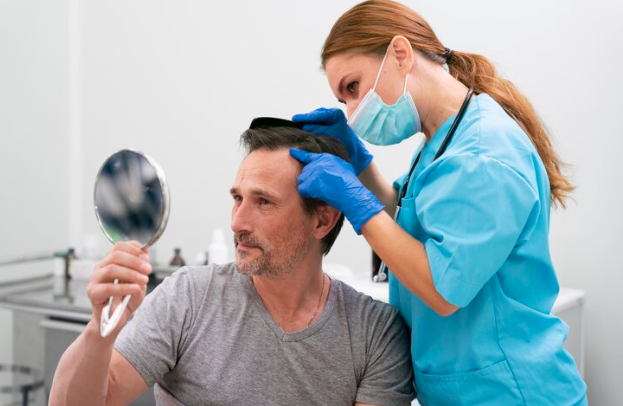
Improved hair appearance increases confidence levels. Furthermore, self-image improves with visible progress. Emotional well-being also strengthens over time. As a result, overall quality of life improves.
Technology Advancements in Hair Loss Solutions
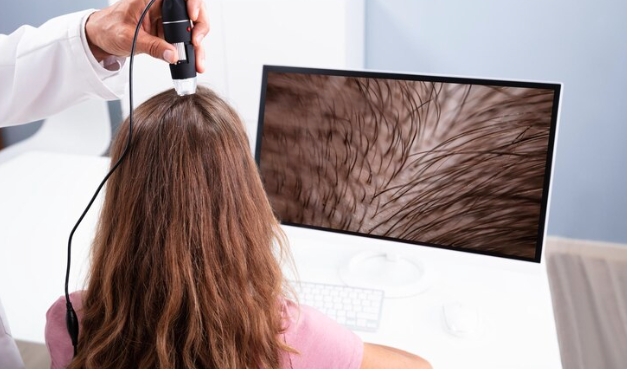
Digital tools enhance diagnosis accuracy significantly. Meanwhile, artificial intelligence predicts treatment responses. Regenerative research also shows promising potential. Thus, future solutions continue to evolve.
Safety and Professional Guidance

Qualified professionals ensure ethical treatment standards. Additionally, routine monitoring prevents unwanted effects.Informed decisions protect long-term health. Therefore, expert supervision remains essential.
Maintenance and Long-Term Care

Consistent follow-ups maintain achieved results. Moreover, treatment adjustments support ongoing growth. Daily routines help preserve follicle strength.Thus, maintenance ensures lasting benefits.
Final Thoughts on Modern treatments
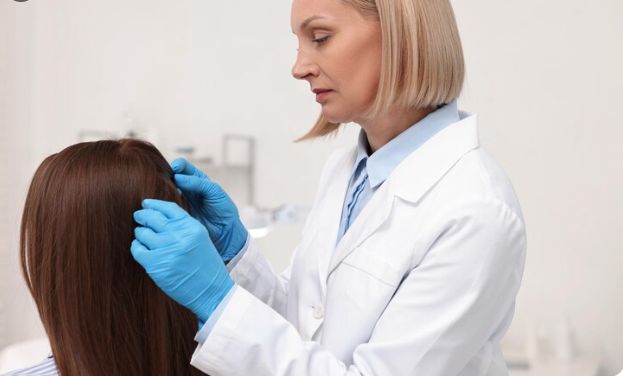
Modern treatments provide effective hair restoration options. Furthermore, solutions suit various needs and budgets. Early intervention improves overall success rates. Ultimately, informed choices lead to healthier hair.